

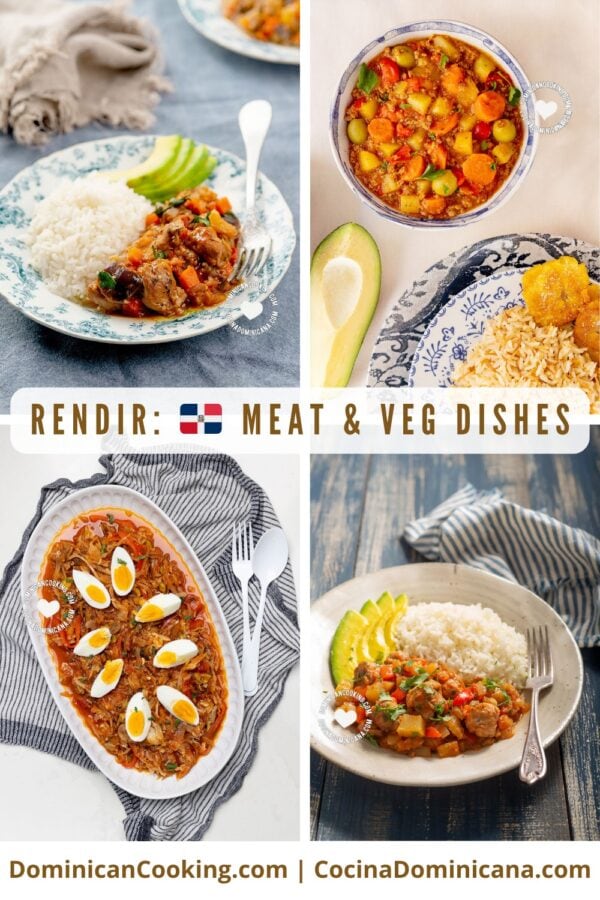
It should surprise no one that the food we love today, the traditional comfort food we remember and long for, was once created by those who were once very poor in an effort to feed the family. Therefrom comes the Dominican art of "rendir": making a lot from little.
By - Reviewed: . Original: Jan 8, 2015
From the French bouillabaisse, made by poor fishermen's wives with the fish they kept after a day's sale, to the Brazilian feijoada, a black bean stew with the bits of pork the slavemasters deemed too disgusting to eat, and were passed down to the enslaved.
Today these dishes are iconic, served with much pomp and ceremony at fancy restaurants the world over.
Many Dominican dishes -if not most- were born in poverty and scarcity. The art of "rendir" our food is an essential part of our culinary culture.
"Rendir" in the Dominican Republic
Rendir: to bulk out, or to add cheaper vegetables to more expensive ingredients (specifically meat and seafood), has always been ingrained in our way of cooking.
Adding vegetables to meat dishes is a greatly cherished tradition in our country, even after we get past the need to stretch our budget to feed an enormous family.
It became a tradition, and ironically, it's probably the best thing we could do for our health.
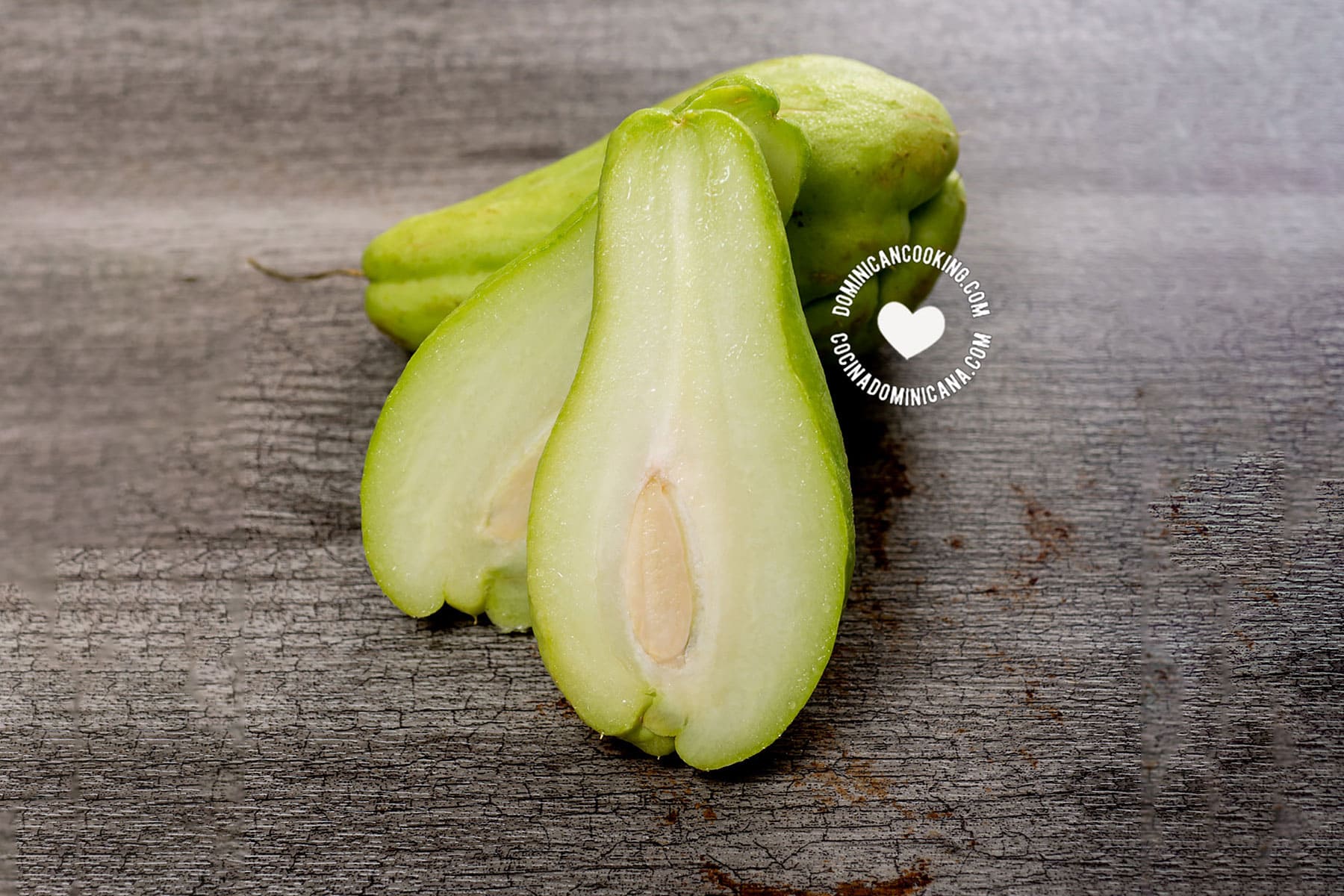
Eggplant, okra, chayote (tayota), and West Indian gherkin (pepino silvestre) are just some of the most common vegetables we add to meat dishes, as was confirmed by our Facebook followers.
Ground beef with vegetables
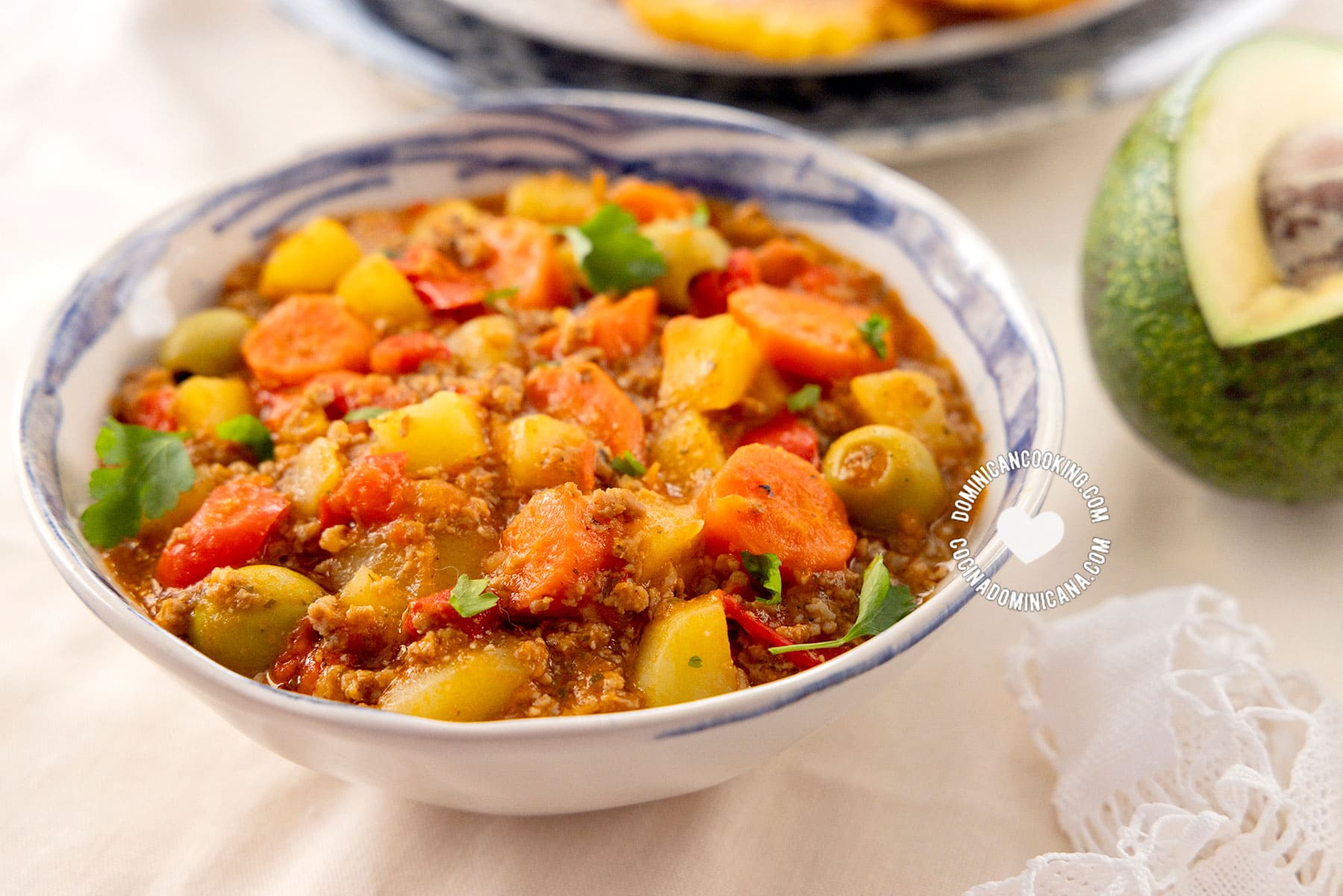
Very tasty ground beef dish topped with lots of vegetables, as many as your budget, or your taste, will allow.
Pork with eggplants
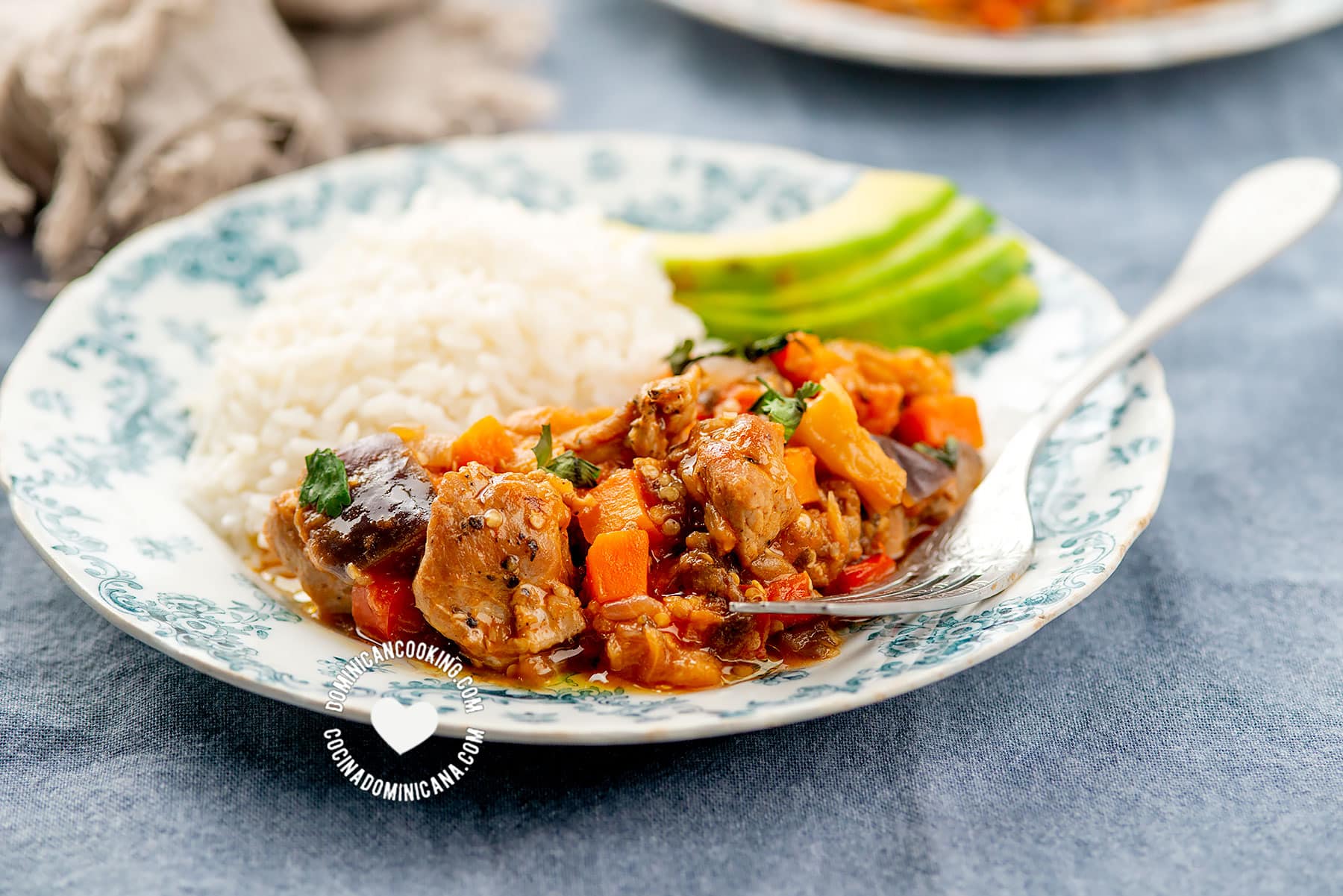
One of my mother's favorite dishes, this is a very tasty way to render pork, combining it with the popular eggplant.
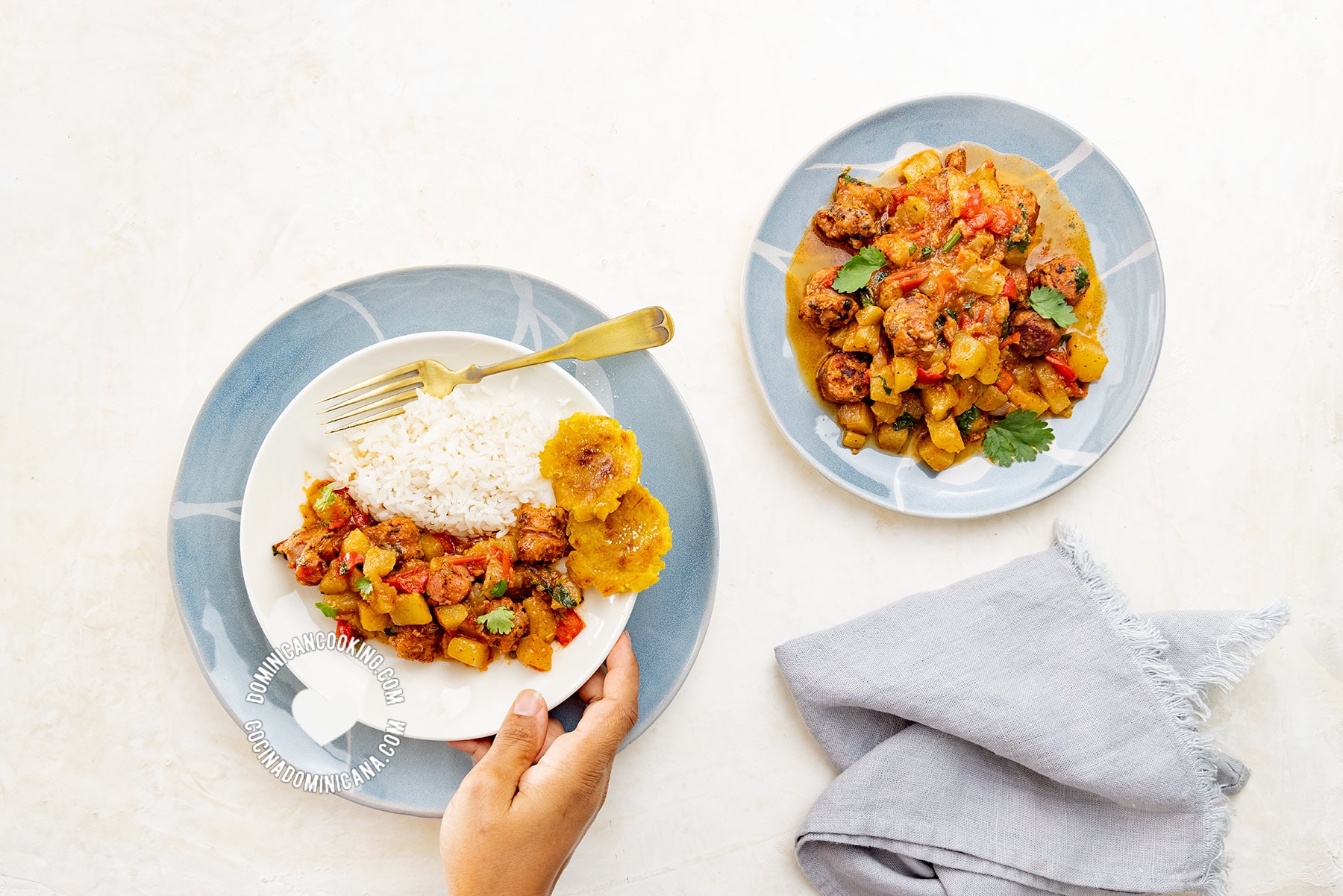
Longaniza sausage with chayote
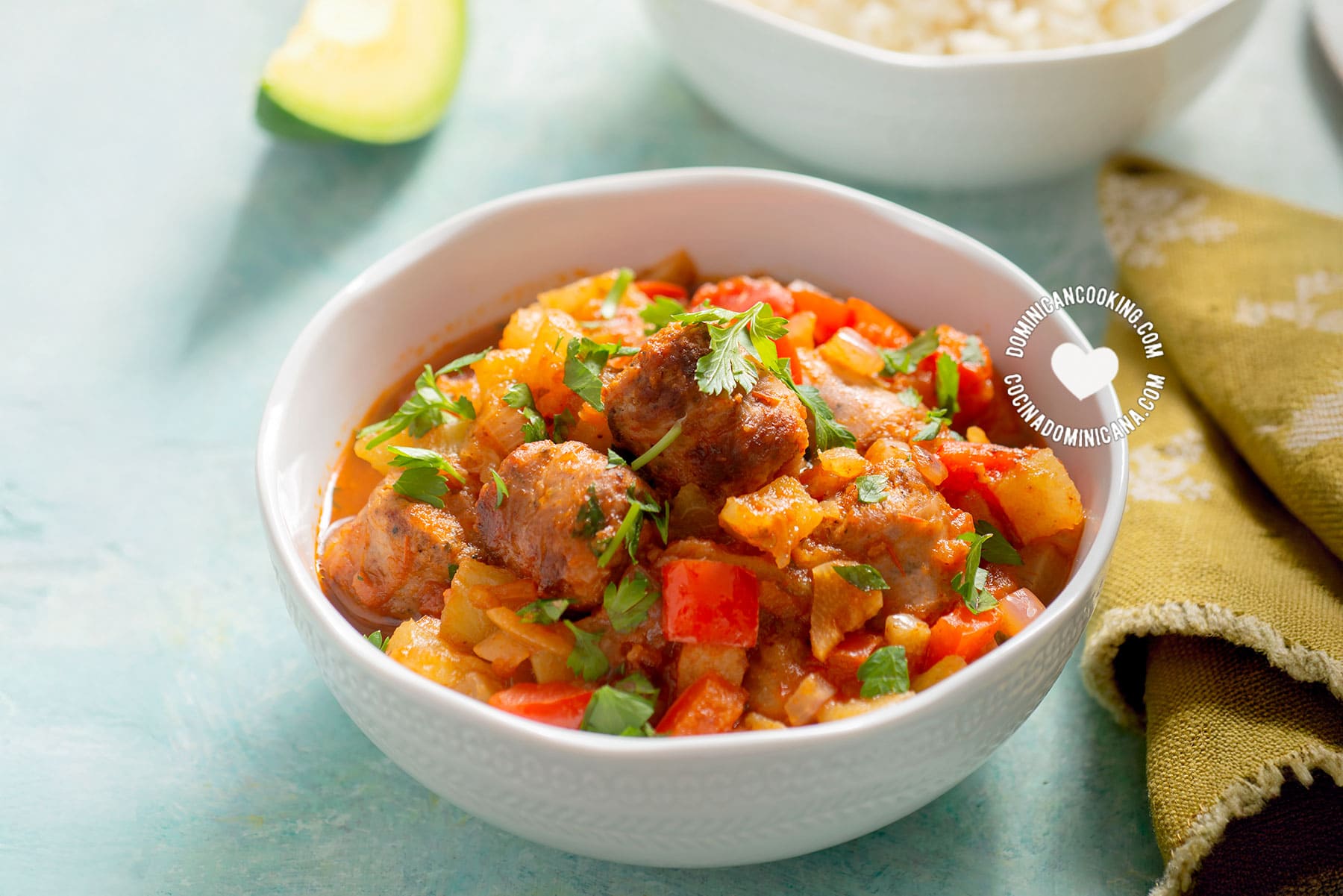
Tayota (chayote) is one of our most maligned vegetables, accused of being tasteless and boring. But my beloved tayota, however, has enriched our cuisine and has allowed us to prepare flavorful yet economical dishes.
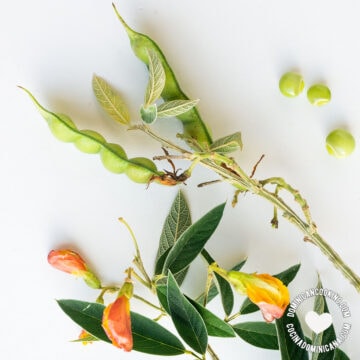
Pork with burr gherkin
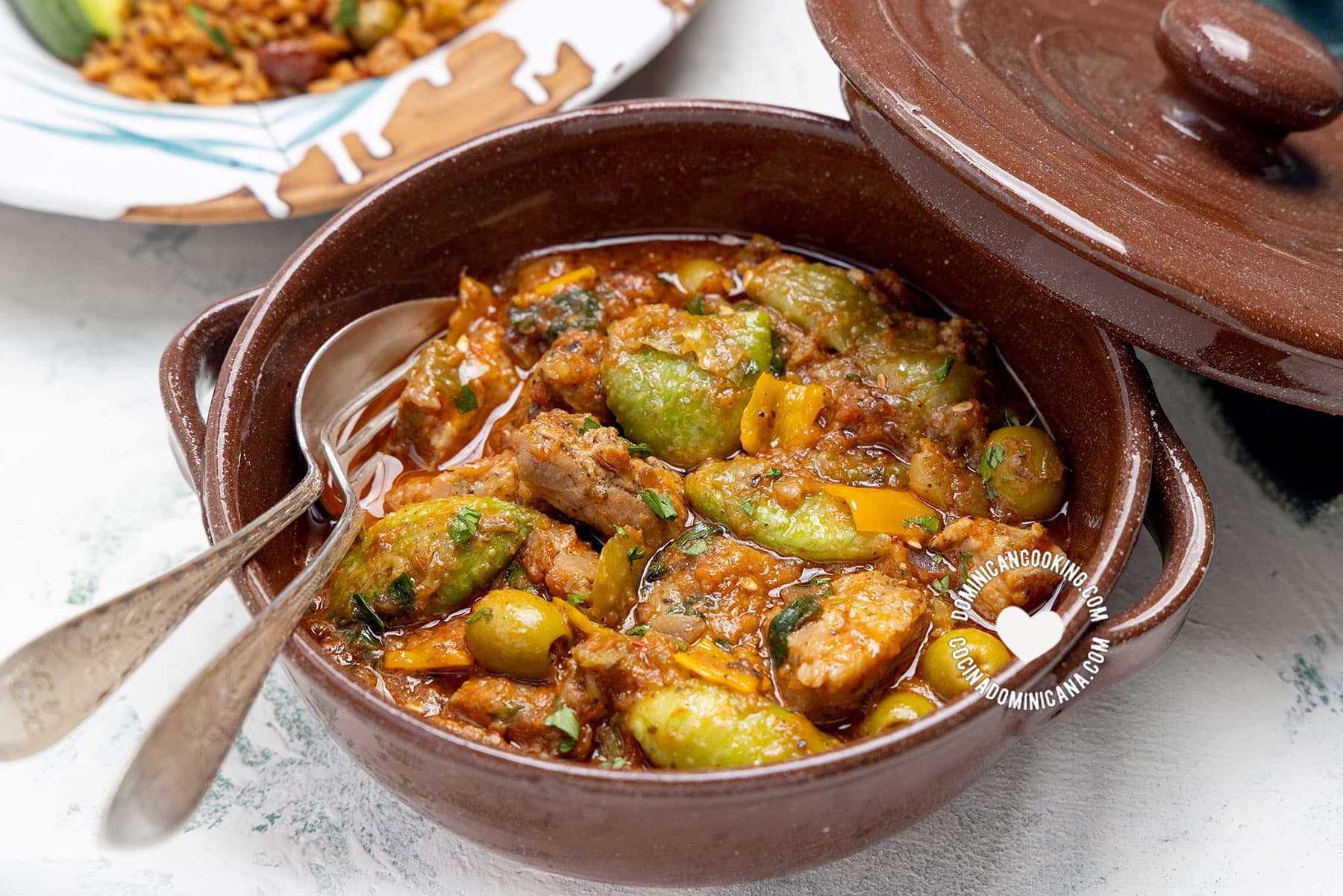
Cocombro is a humble, very rural vegetable, but it was not uncommon to see this dish on the table in my parental home, combining the flavors of pork with this unusual vegetable.
Codfish with potato
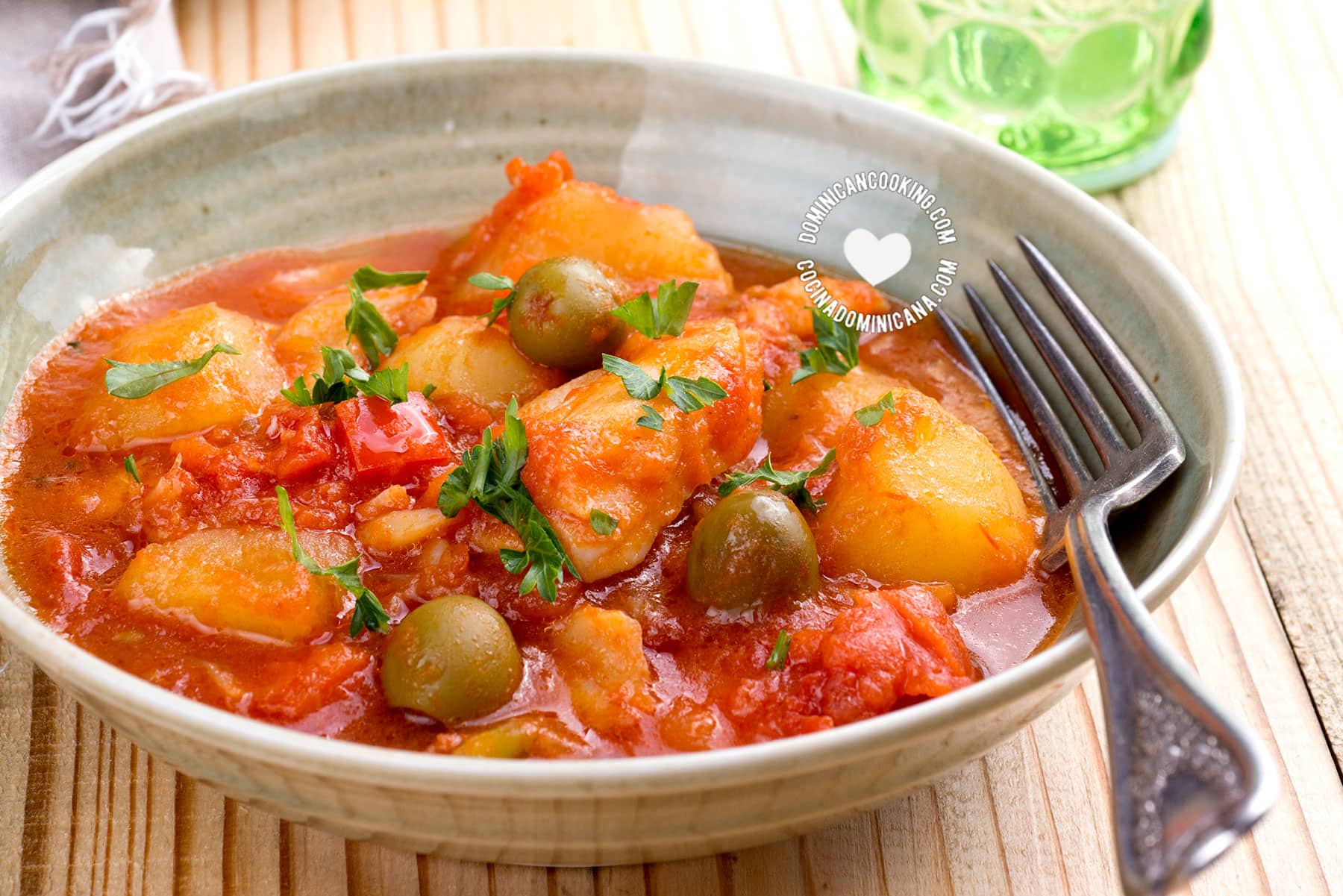
Salted codfish with potato is the second most popular Dominican Lenten dish, and the addition of potato improves and cheapens serving the already humble fish.
Pork with bottle gourd
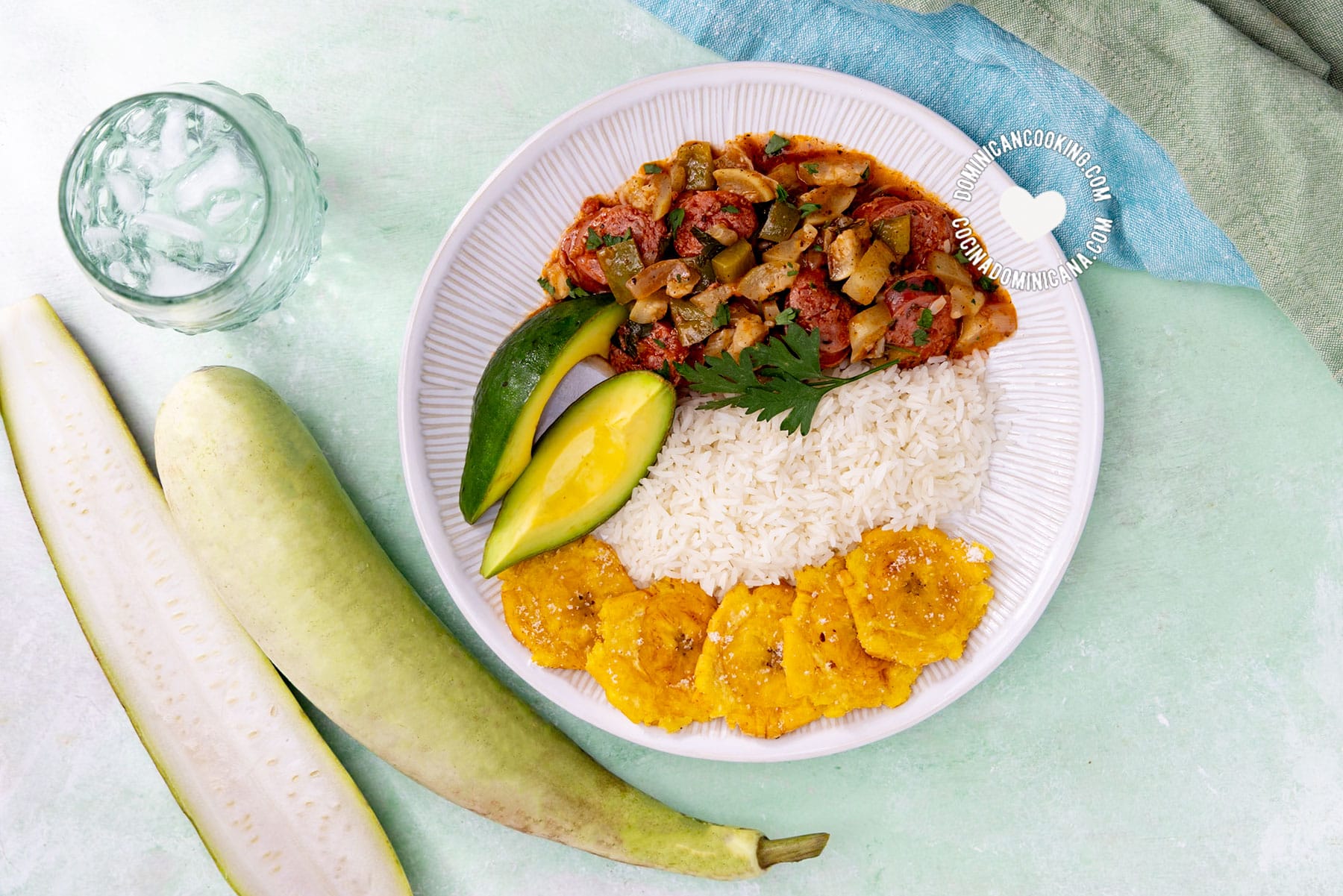
Another vegetable that mami often cooked with pork. With a delicate flavor, calabacita goes very well with the strong flavor of the stewed pork.
Dominican-style chop suey
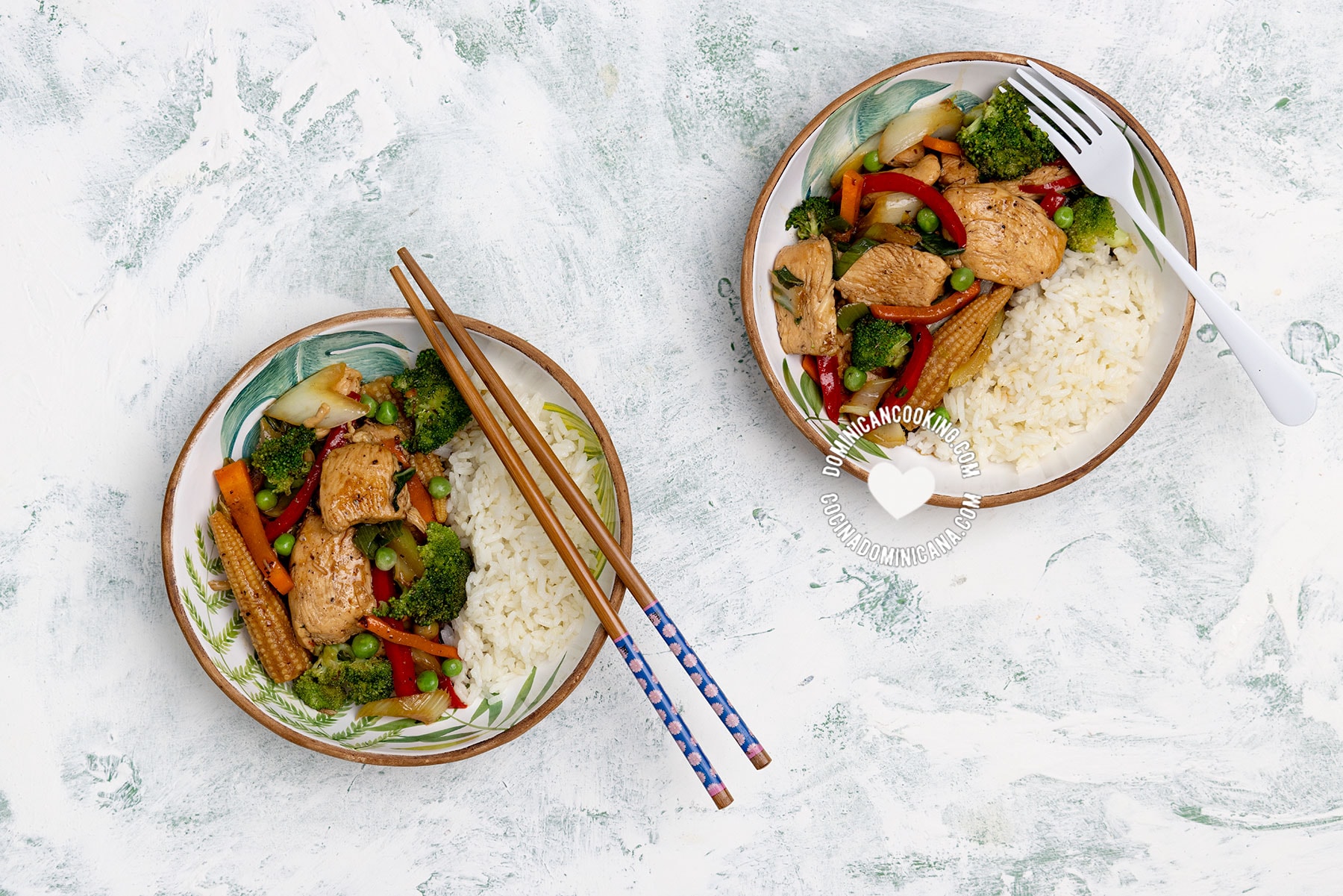
One of the dishes bequeathed to us by the Chinese-Dominican community, together with Chofán, is the most popular dish of this legacy.
Codfish with cabbage
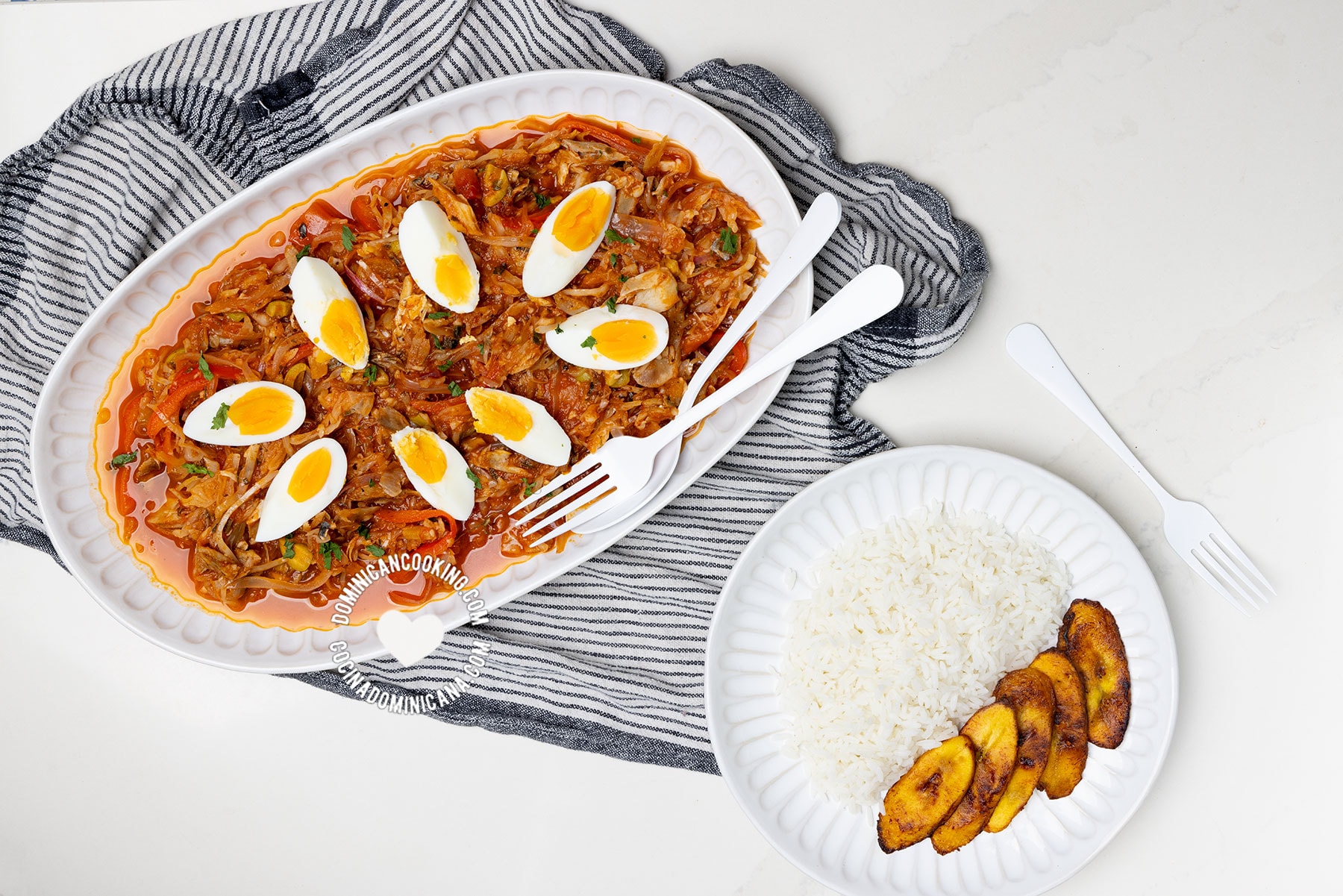
Based on a mention in a 1927 book, I have tried to recreate a Lenten dish of the time. A tasty, filling salted codfish and cabbage hot pot served with hard-boiled eggs, perfect for stretching salted codfish, which at today's price is no longer the stereotypical "poor man's food".
Does your family have another meat dish "rendido" with vegetables? Let us know in the comments!

- Learn more about me and the humans behind this blog.
- Share your questions and comments about this post.
- Subscribe to receive our recipes and articles by email.
- Please stay in touch! Follow us on:


Comments
No Comments