
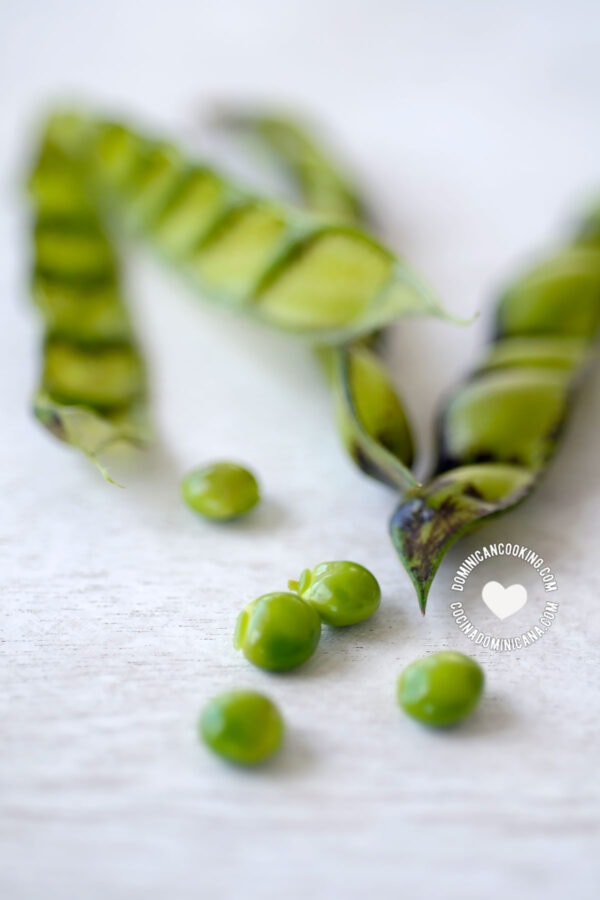
Guandules - or gandules, as they are called in Puerto Rico - are the second most popular legumes in the Dominican Republic, only behind habichuelas, and guandules recipes are part of our most important national festivities. Learn how to cook the tastiest guandules dishes.
By - Reviewed: . Original: Mar 23, 2022
Guandules recipes
While habichuelas recipes are served more often, guandules are one of our favorite legumes. With a strong and unique flavor profile, guandules pair well with many of our favorite ingredients, and are easy to cook.
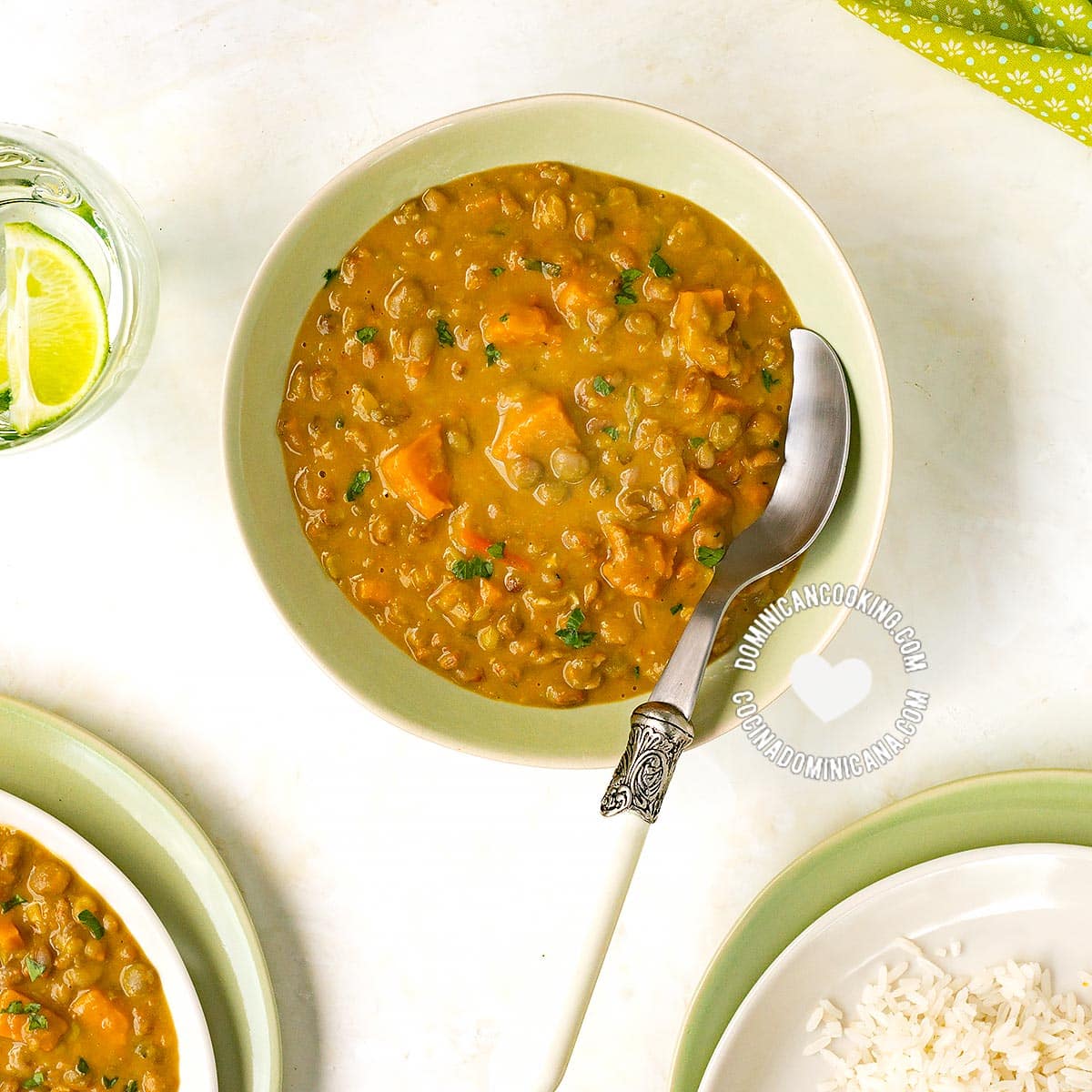
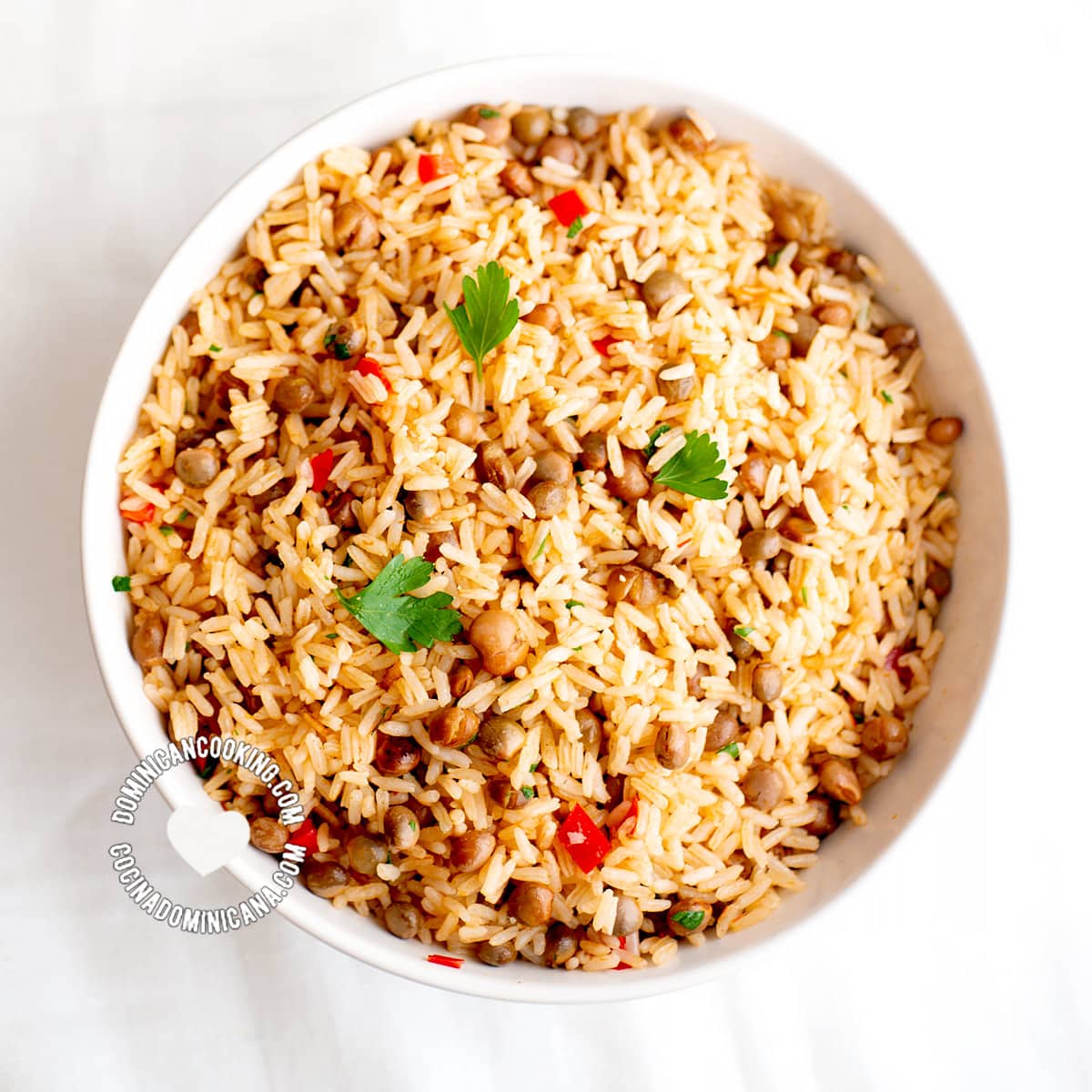
Guandules feature in some of our favorite Dominican dishes. Check out these amazing guandules recipes:
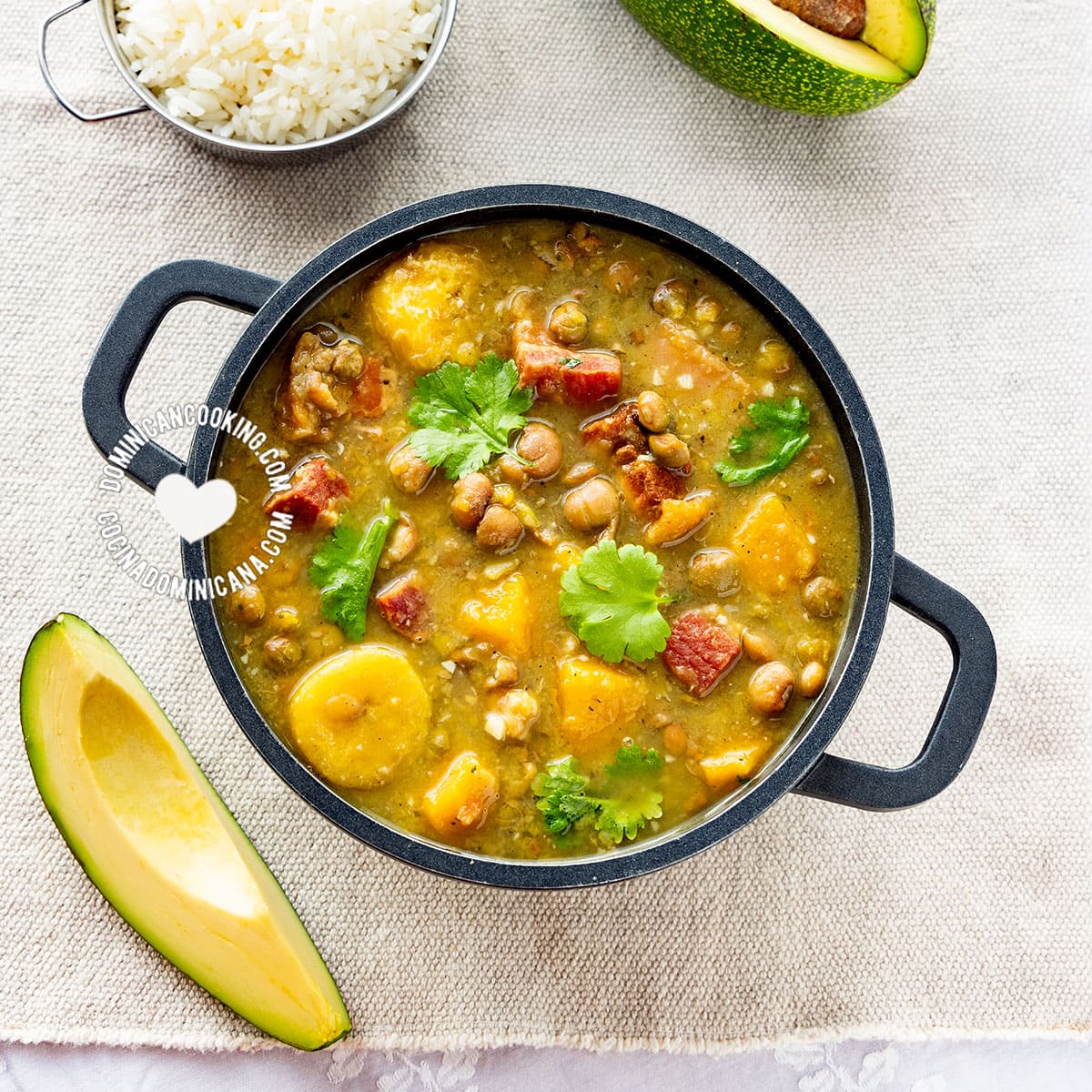
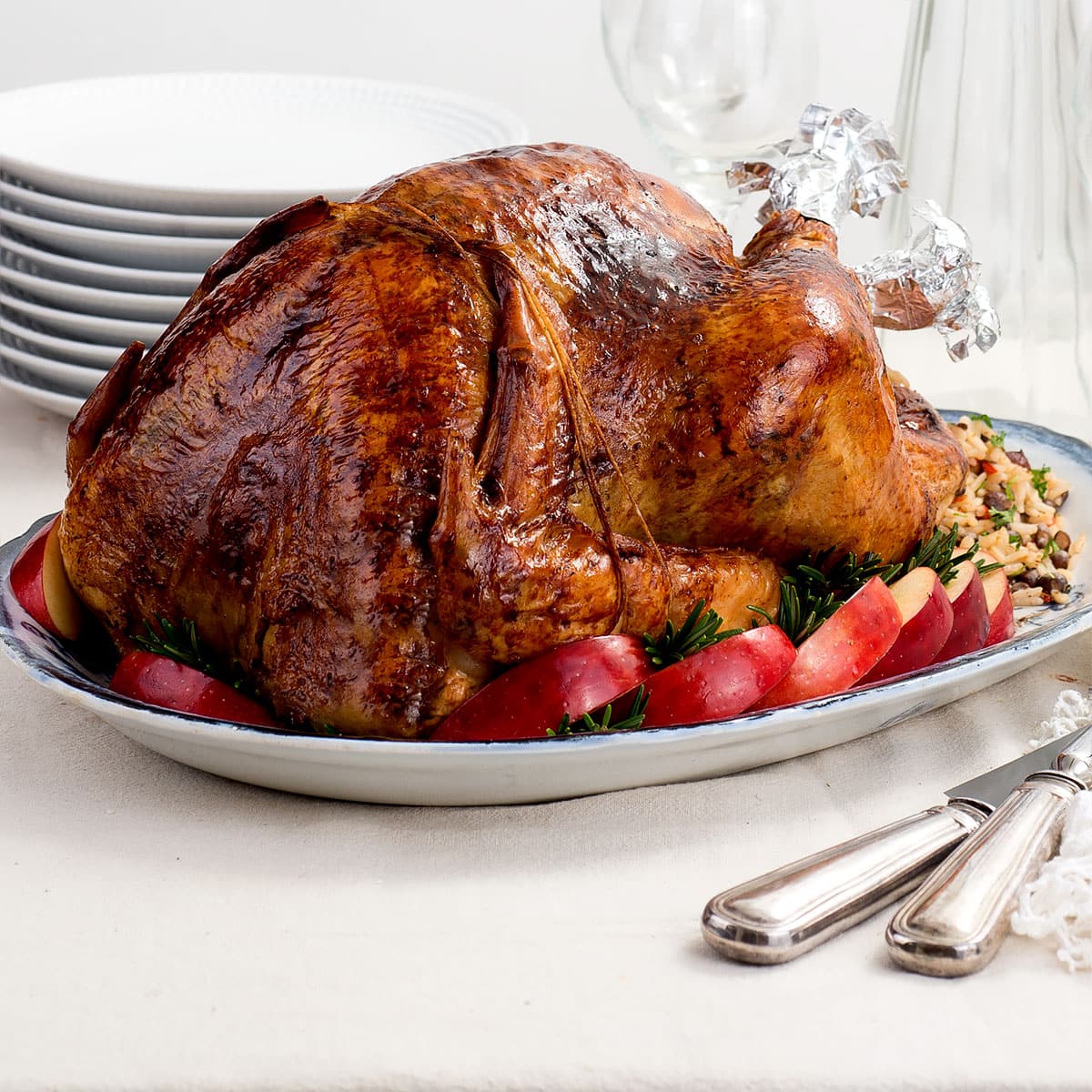
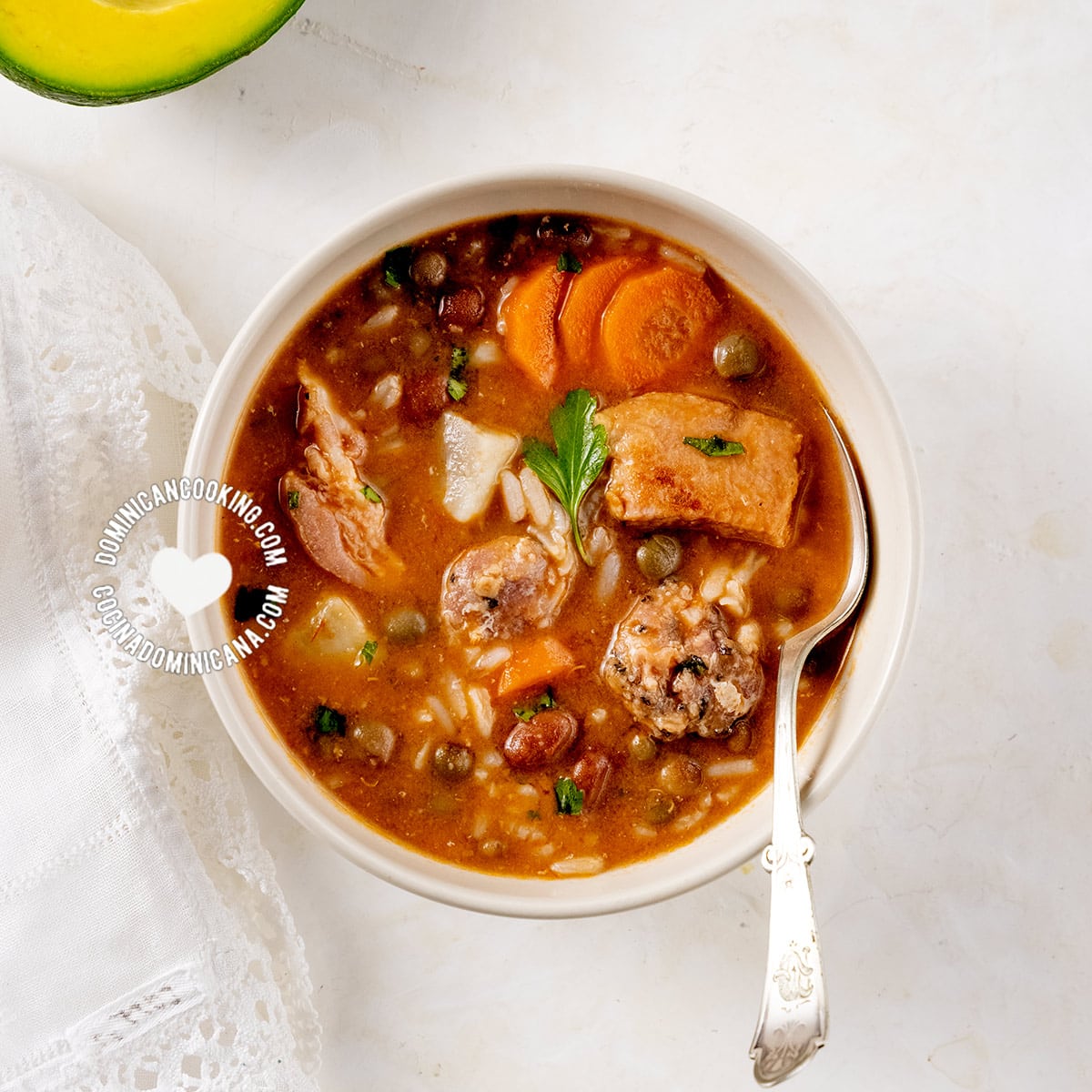
What are guandules?
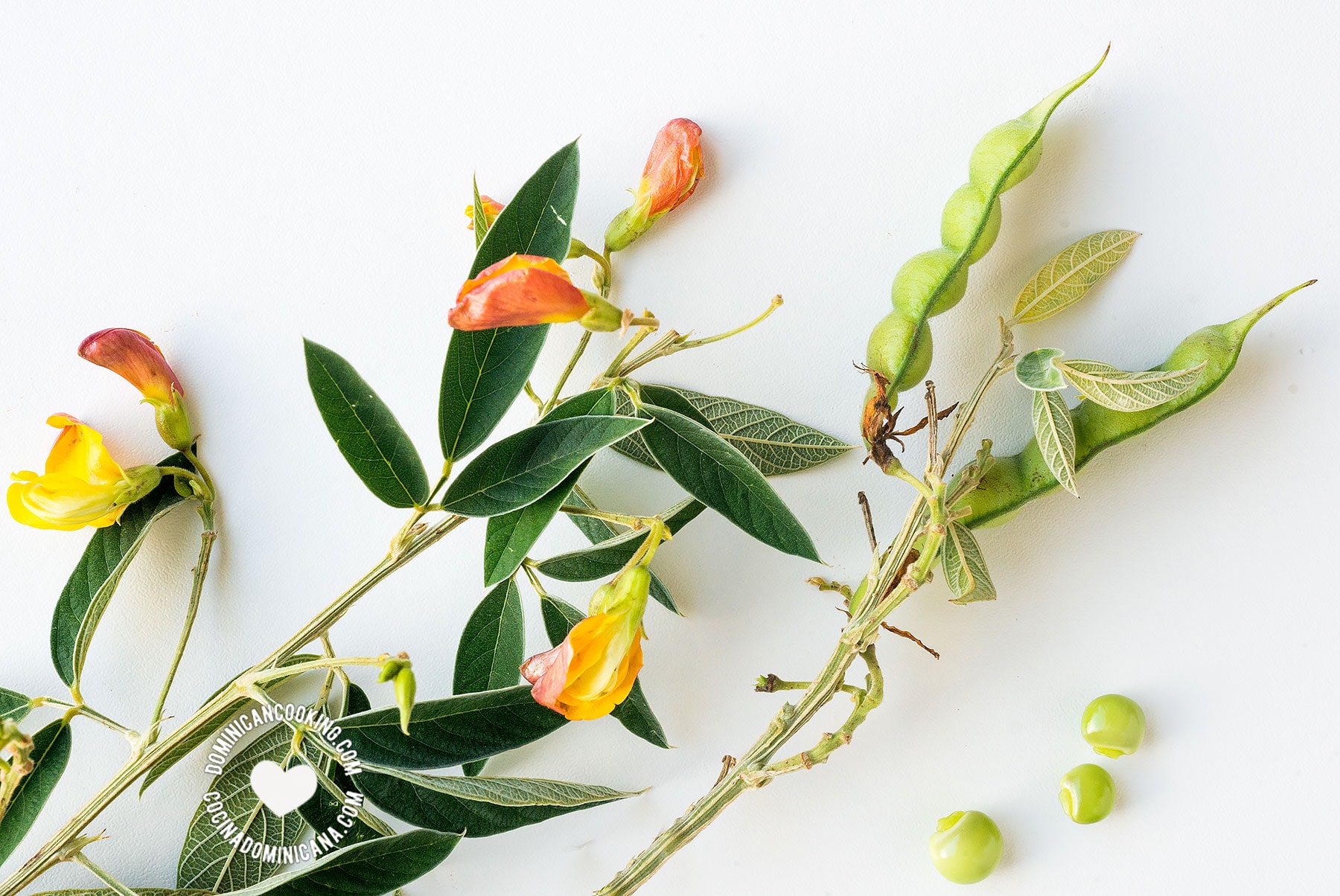
Pigeon peas (Cajanus cajan), known in English as pigeon peas and gandules in Puerto Rico, is a type of legume native to the Indian subcontinent and popular in the Spanish Caribbean.
The flavor of pigeon peas has been variously described to me as "nutty" or "ashy". I would describe the flavor more as "smoky." The closest thing to another legume I can think of in terms of flavor is mung beans.
Pigeon peas are apparently also very popular in Southern India.
Gandules pictures
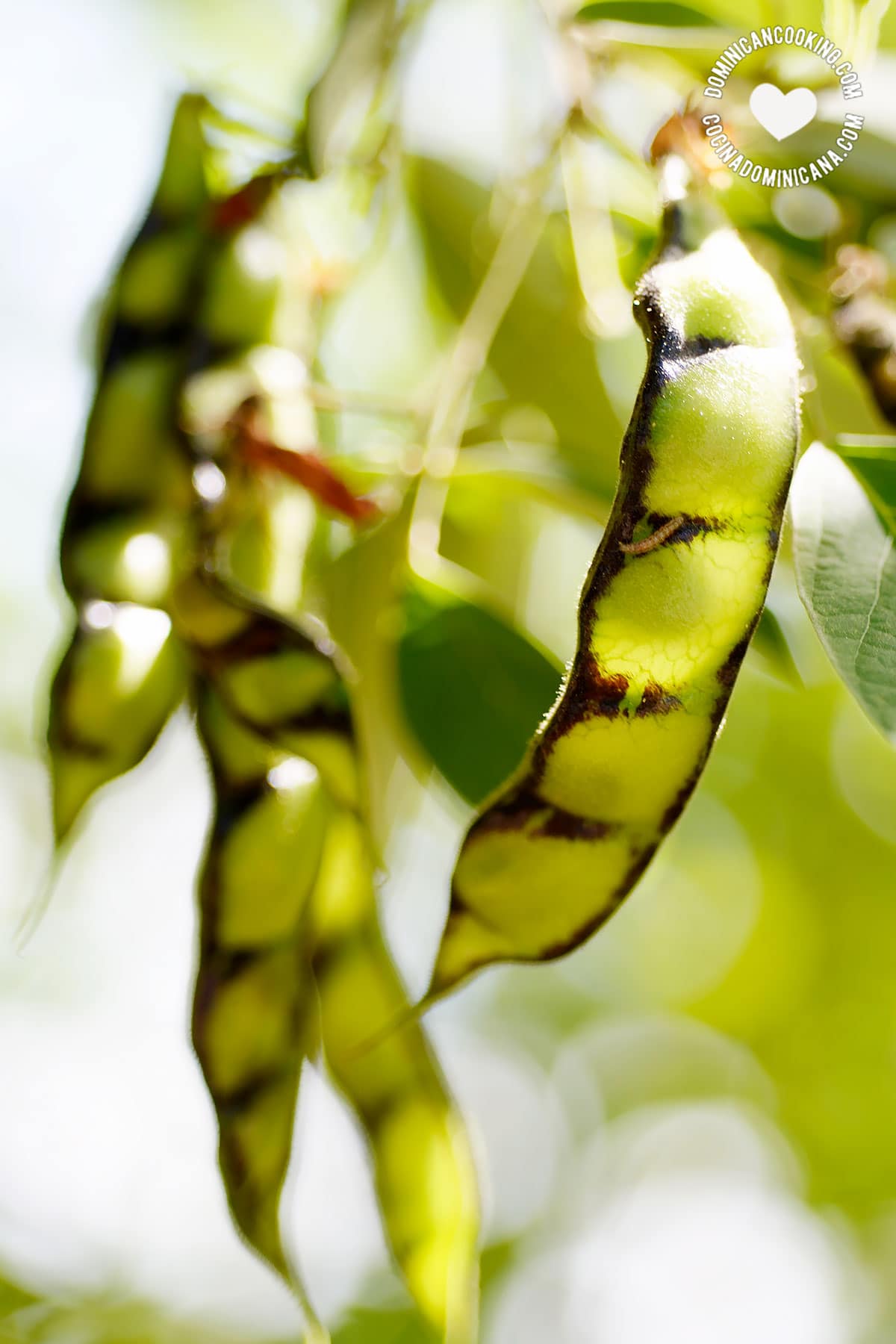
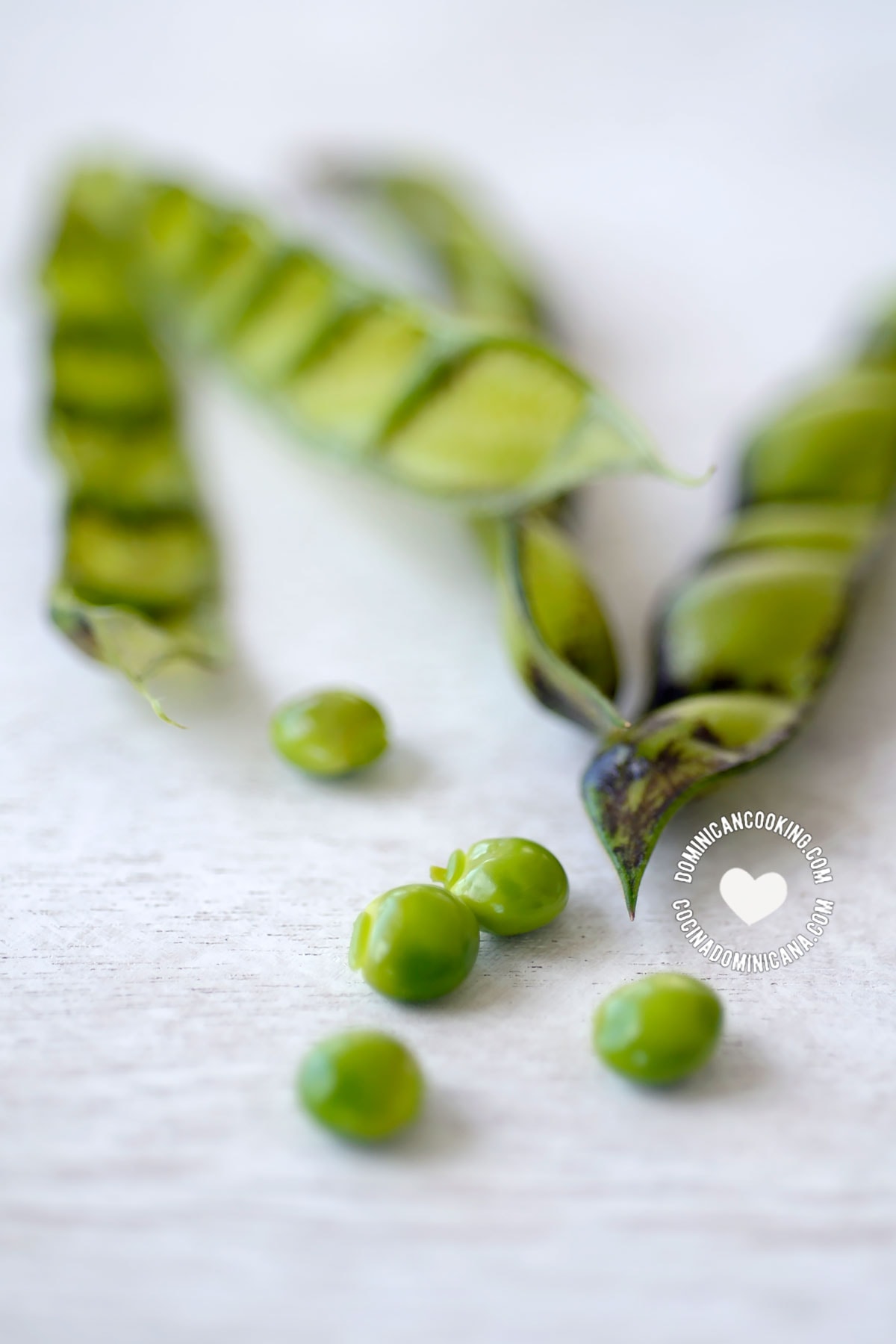
Guandules / gandules.
Guandules vs gandules
Would you be shocked if I tell you it's... neither?
In one of those "How did that start?" cases, the neighboring countries of Puerto Rico and the Dominican Republic spell this differently. So what does RAE (Royal Academy of the Spanish Language) say?
Gandul is used to describe "a lazy person," "an ancient Moroccan soldier," or "an individual from certain primitive tribes."
So, it is "guandul"!
Well, not so fast. That word is not listed in the RAE dictionary. A bit of research elucidates it: The proper word for one pea is guandú, not guandul; the plural then is actually guandúes - or guandús!
So, we're all wrong.
But, go ahead, keep calling it whatever you did before; both Dominicans and Puerto Ricans will understand.
How to cook guandules
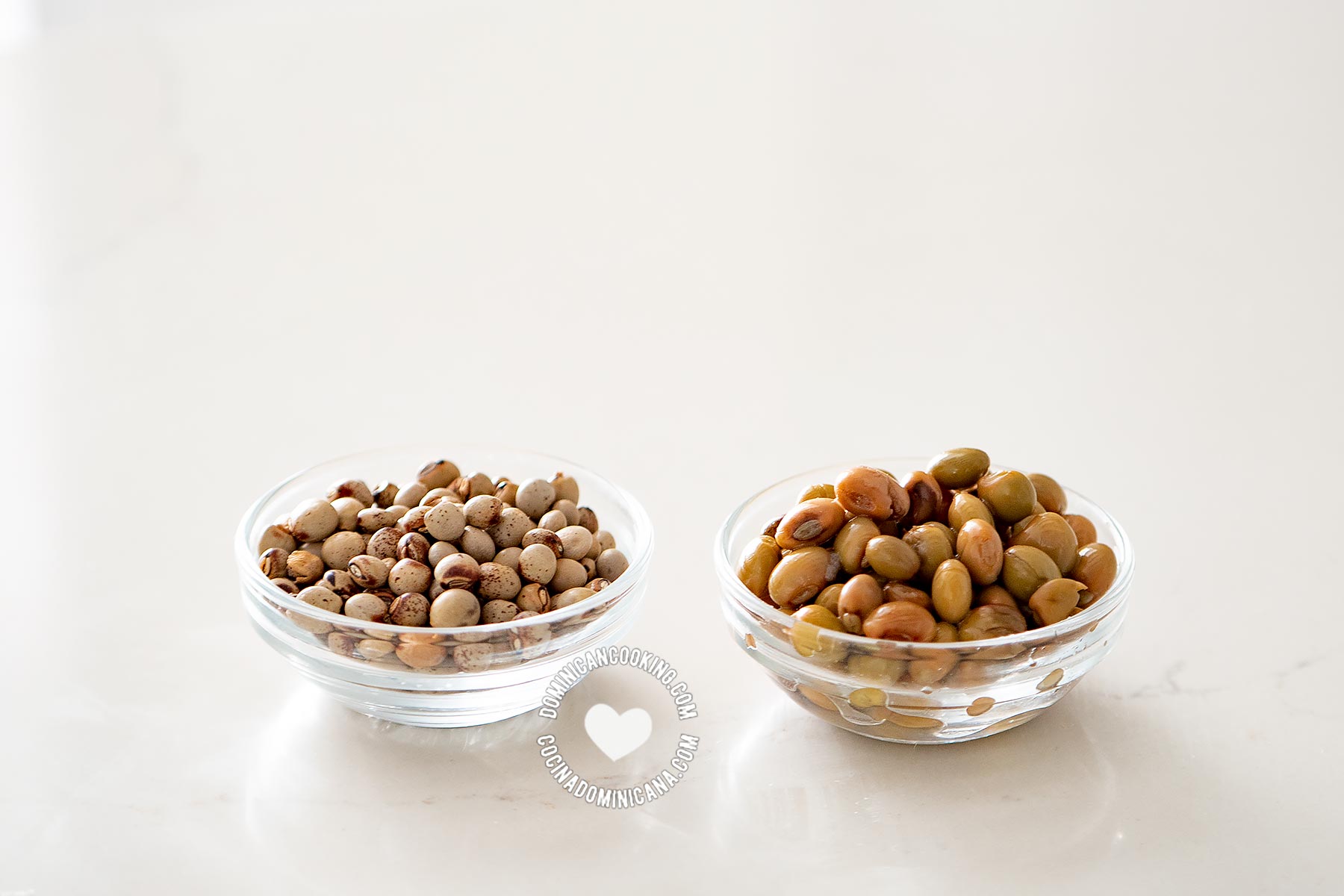
You can buy guandules dry, canned, or freshly shelled (or unshelled). Each has different cooking techniques to arrive at a similar result.
Some people also boil shelled beans before cooking them, but I prefer just to sauté them with the sazón. Whichever method you prefer is OK.
Check the recipes above for specific instructions.
Learn how to cook fresh and canned guandules, or how to boil dry guandules / gandules for the best result with your recipe.
Rinse
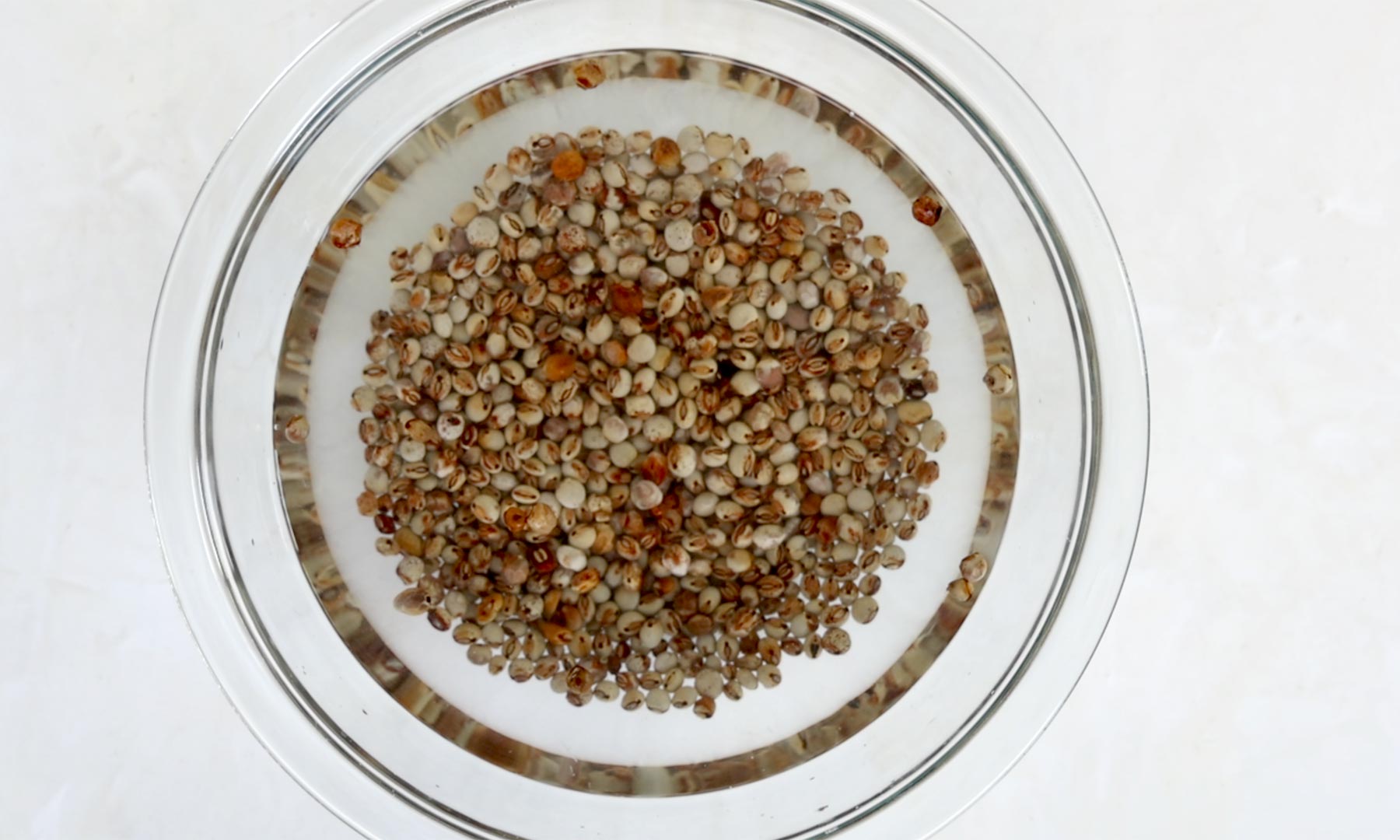 Clean and rinse dry or freshly-shelled guandules. Some people prefer to drain and rinse canned guandules, but this is a matter of personal preference.
Cooking dry guandules
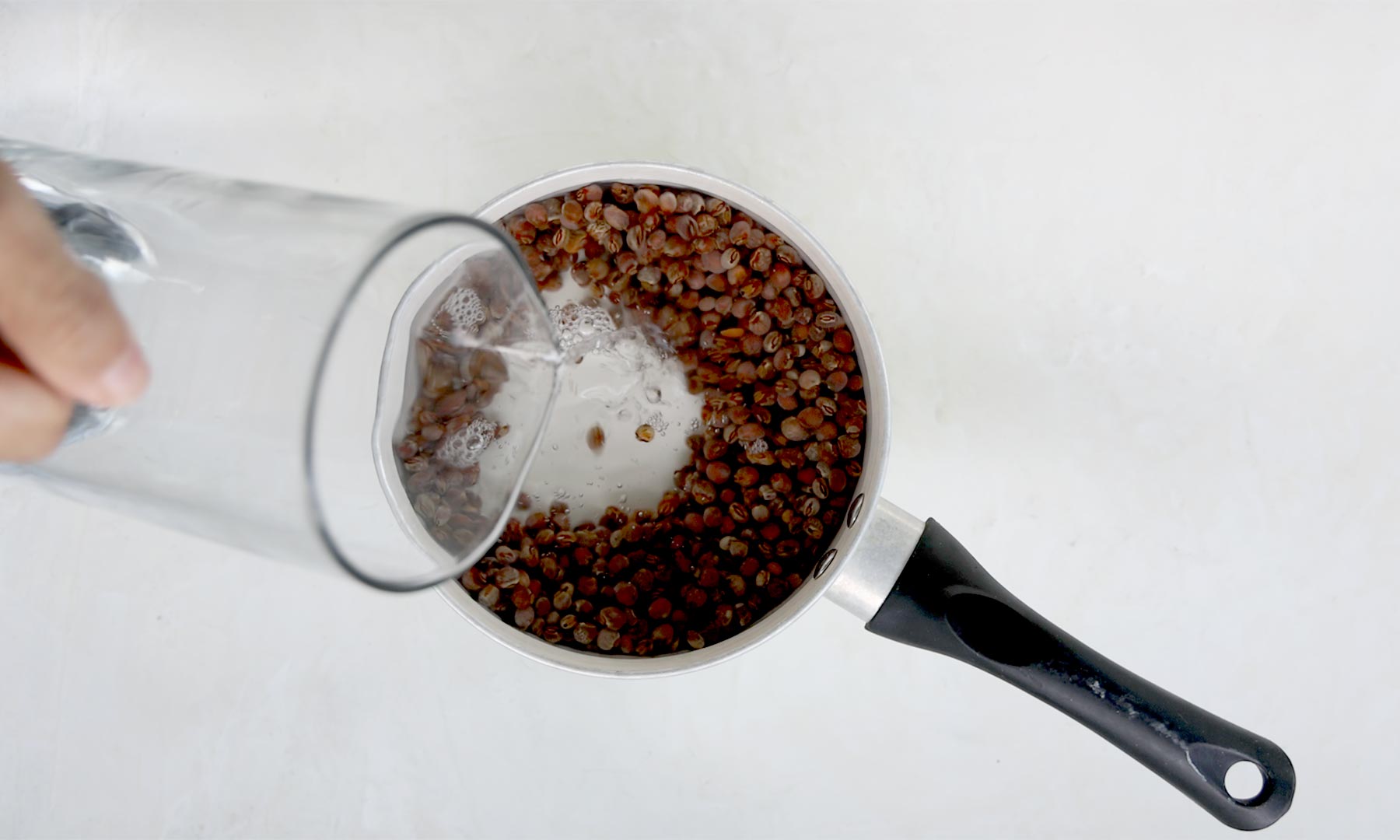 Soak the guandules in water overnight, or at least a couple of hours.
Discard the water in which the guandules soaked. Combine the guandules with ½ gallon [2 liters] of water. Boil over medium heat until the guandules are soft, and you can crush one if pinched (40 - 60 mins). Add water if it becomes necessary to prevent them from drying and burning.
To reduce cooking time, you can boil in a pressure cooker. Combine with 4 cups of water and boil in the pressure cooker for 20 minutes, or until they become soft.
Separate the guandules from the water in which it boiled. Set both aside.
See the recipes above for specific instructions.
Cooking canned guandules
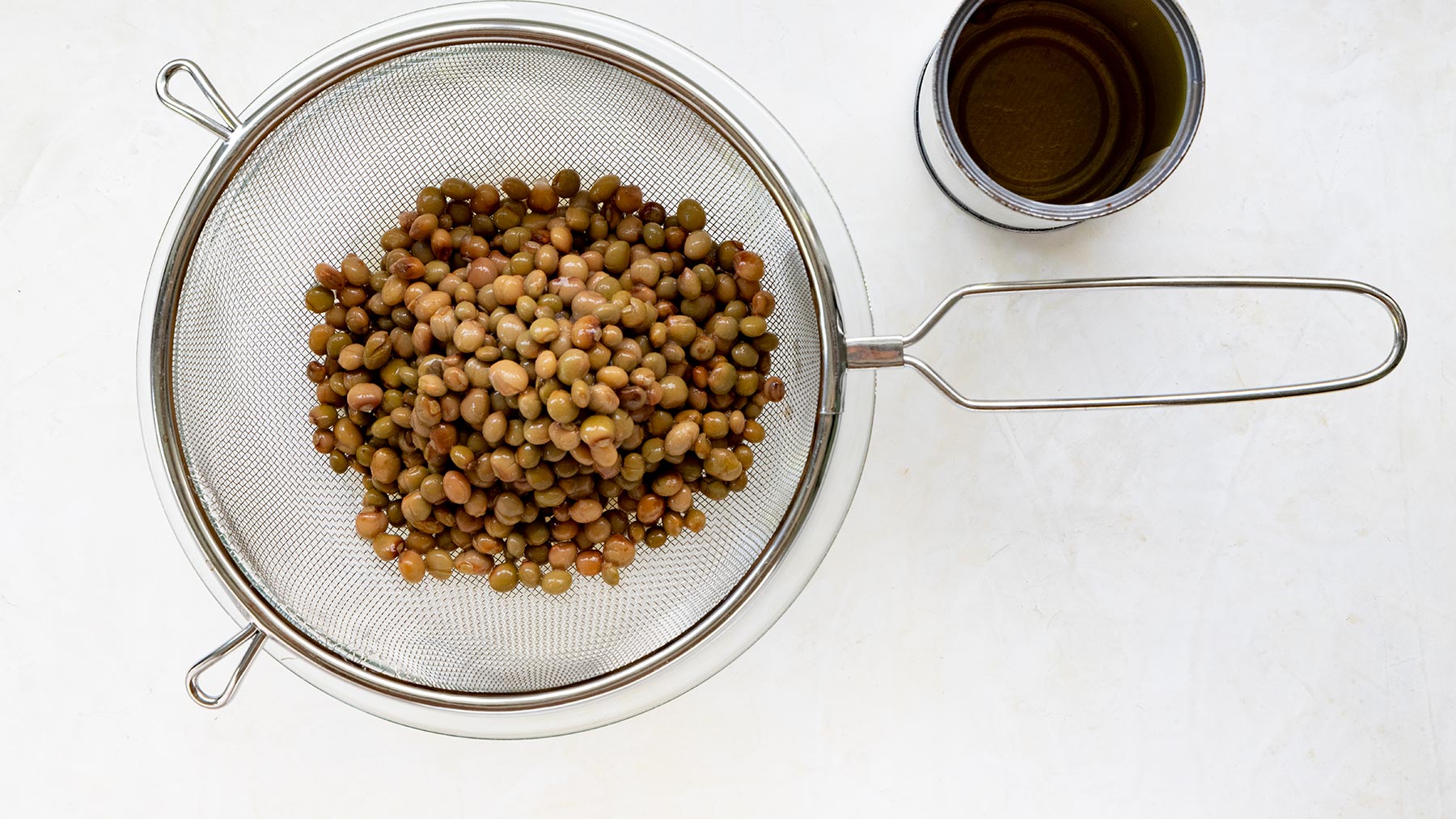 If you are watching your sodium intake, discard the water in which they came (it already contains sodium, and I have not accounted for it in the nutritional information).If you don't mind the extra sodium, you can use the liquid later when the recipe calls for water to be added after adding coconut milk.See the recipes above for specific instructions.
Cooking fresh guandules
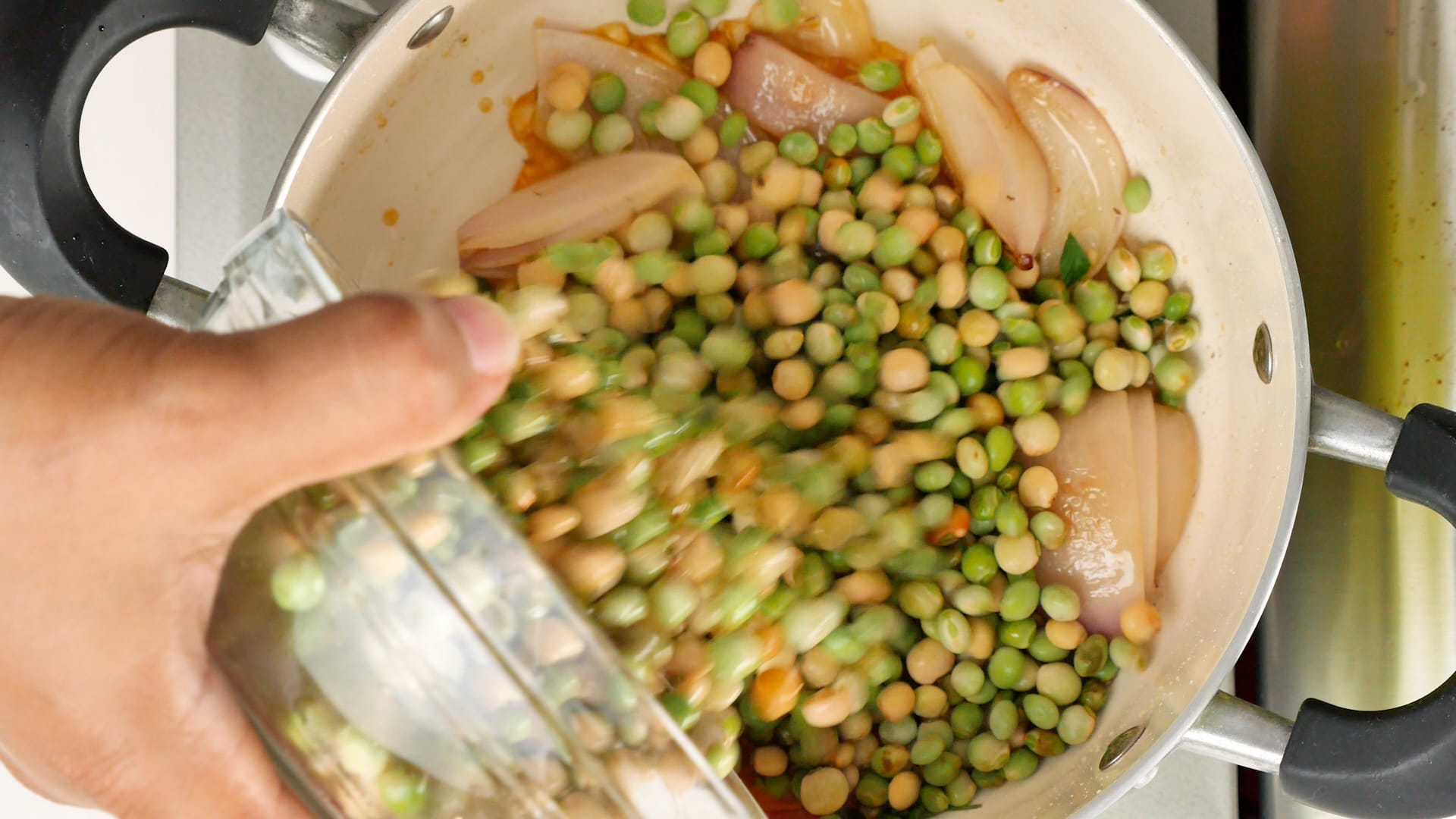 You can sauté them in a sofrito with garlic, olives, onion, black pepper, cubanelle or bell peppers, capers, tomato paste, herbs, and salt.See the recipes above for specific instructions.
Guandules enlatados (canned)
While I always prefer freshly shelled or dry-then-boiled guandules - in that order z - sometimes all I can do is grab a can of guandules from the supermarket to jump-start my lunch or dinner.
Many people prefer to drain the liquid from the can, whether because they do not like the flavor, or because they are on a low-sodium diet. You can do so if you want. Check the recipes above for specific instructions.
Freezing guandules
Boiled or guisado guandules are perfect for freezing. To thaw, leave them in the fridge overnight, or heat in the microwave.
Nutritional properties
Guandules are rich in protein, and 100 grams of guandules contain 22 grams of protein, 343 Calories, 1.5 grams of fat, zero cholesterol, 17 milligrams of sodium, 1,392 milligrams of potassium, and 63 grams of carbohydrates.
They are perfect for vegan and gluten-free recipes.

- Learn more about me and the humans behind this blog.
- Share your questions and comments about this post.
- Subscribe to receive our recipes and articles by email.
- Please stay in touch! Follow us on: