
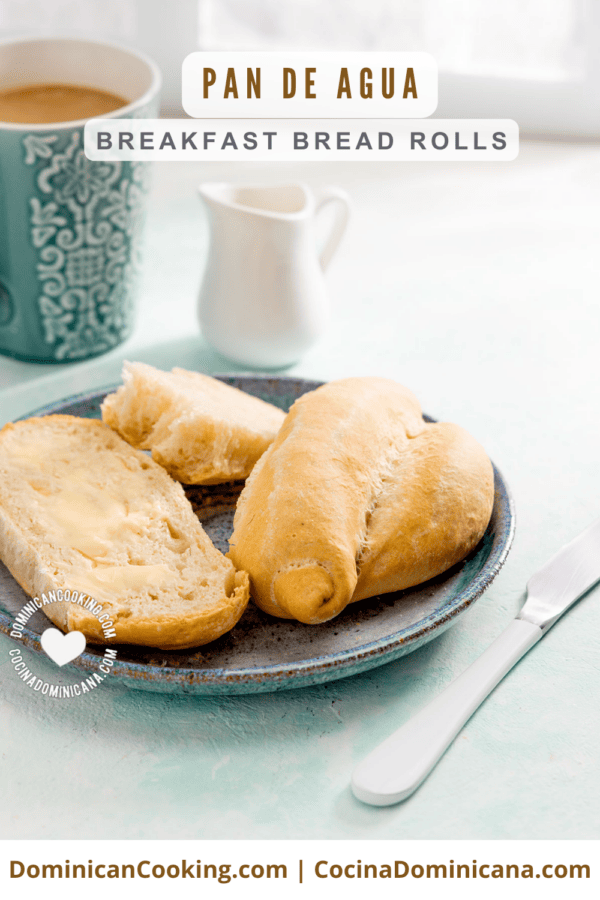
Pan de Agua (Dominican breakfast bread rolls) is often found on the Dominican breakfast table. It has a similar texture to French baguette, but a much more simplified preparation. Learn how to make a great Pan de agua at home, perfect if you live away from our country.
By - Reviewed: . Original: Dec 27, 2010
Why we ❤️ it
Dominicans typically do not make this bread at home. We buy it from colmados (Dominican corner stores) and supermarkets. But this is a recipe our readers have used for years. It must be nostalgia that makes them want to make it at home.
It must be a matter of nostalgia for many of our readers, but many have written about how much they miss this bread, with a light crust and soft center. Breakfast is not the same without it.
What's pan de agua?
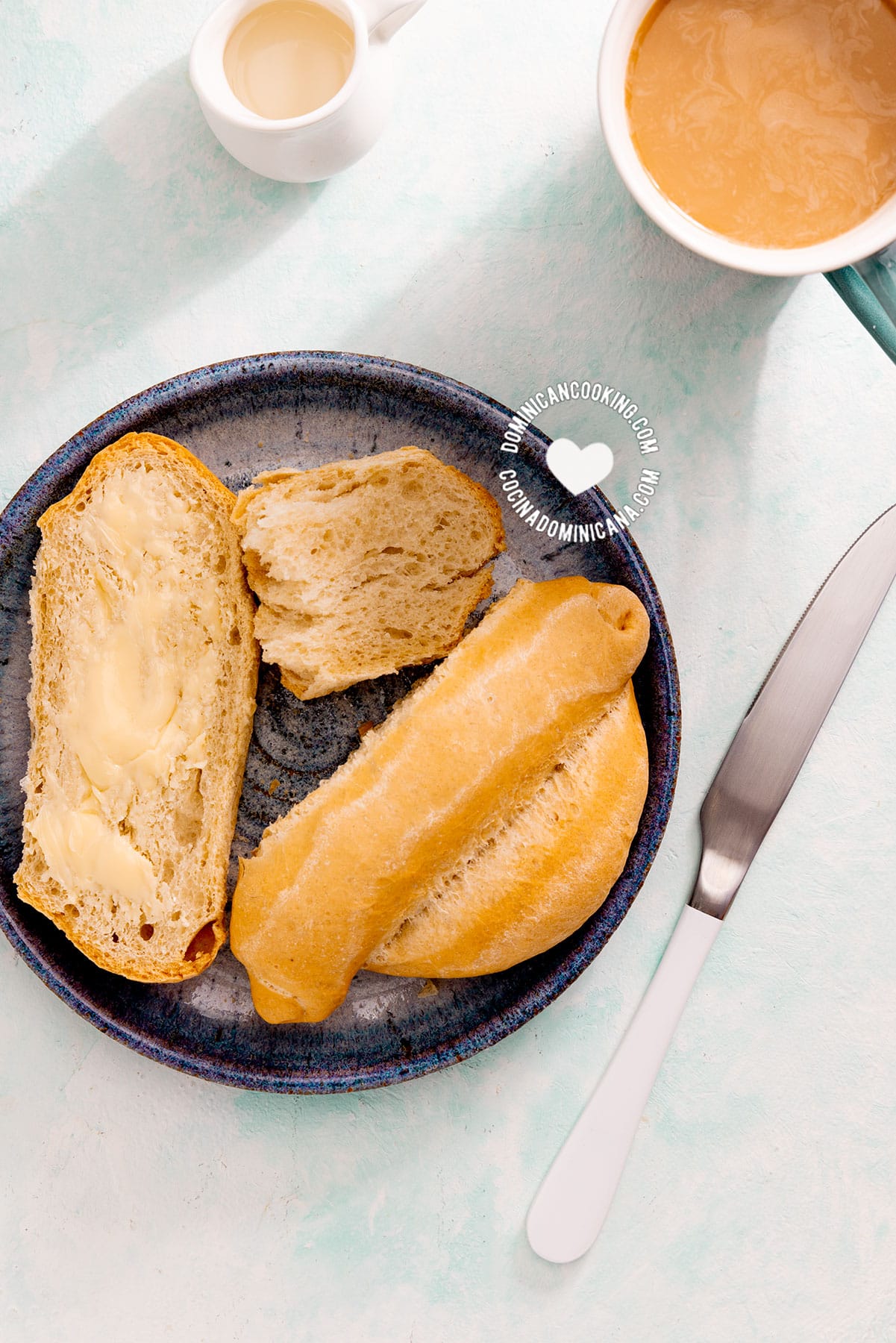
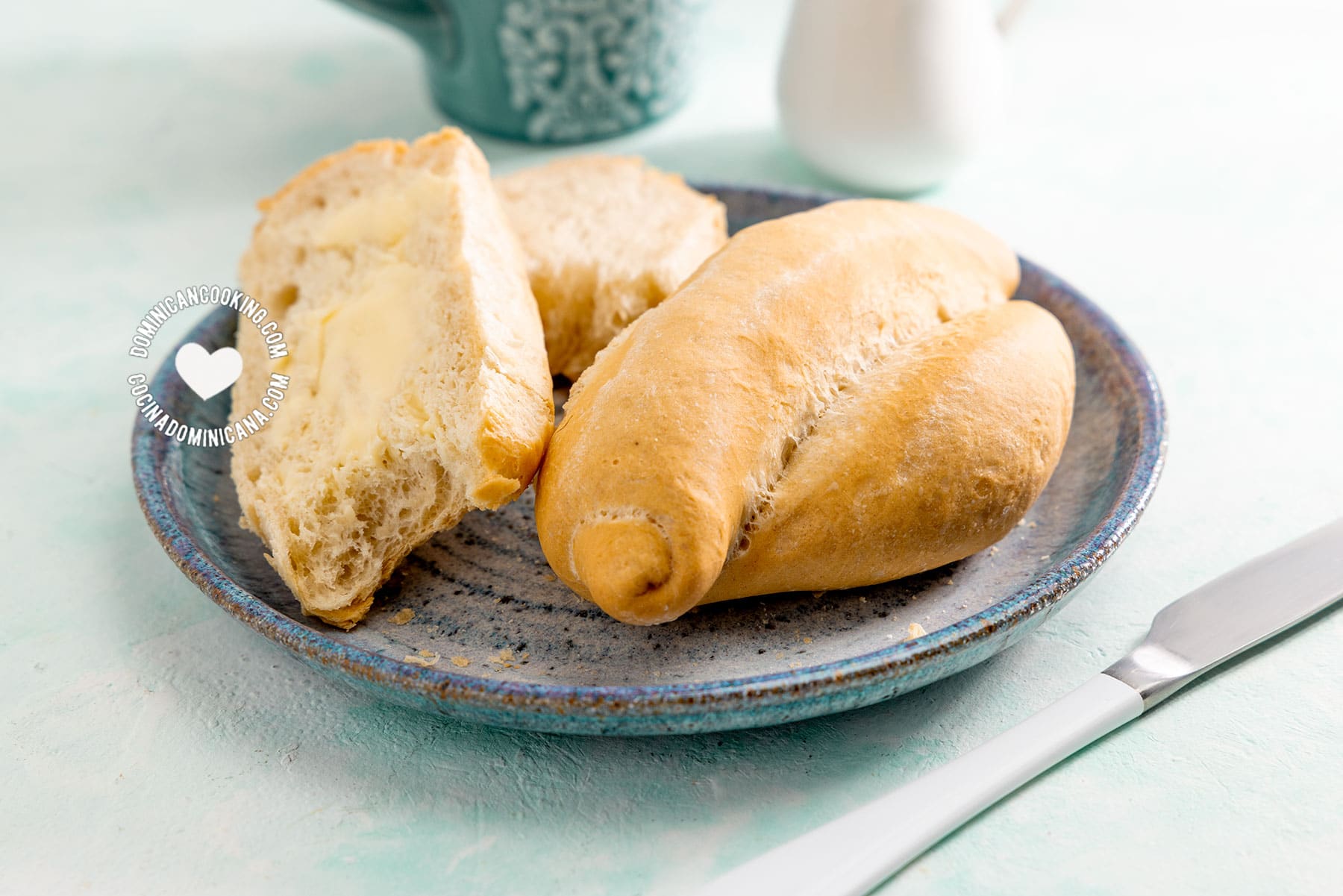
Pan de agua is a type of breakfast bread roll, with a similar crust and crumb to a French baguette, but in a one-serving size and a distinct two-roll shape. Unlike baguettes, Pan de agua rises just once, which makes it faster to make and serve.
In all my years, I have not seen two "panes de agua" from different bakeries that looked or tasted the same. Yet, for reasons beyond my comprehension, Dominicans can tell when they try one. It's like we all have different voices and dictions but somehow manage to all sound "Dominican."
But Pan de agua, as well as Pan sobao are not just Dominican bread.
These are remnants of the Spanish colonial heritage and can be found under these and other names in several Latin American countries, just as they left Spanish bread in the Philippines.
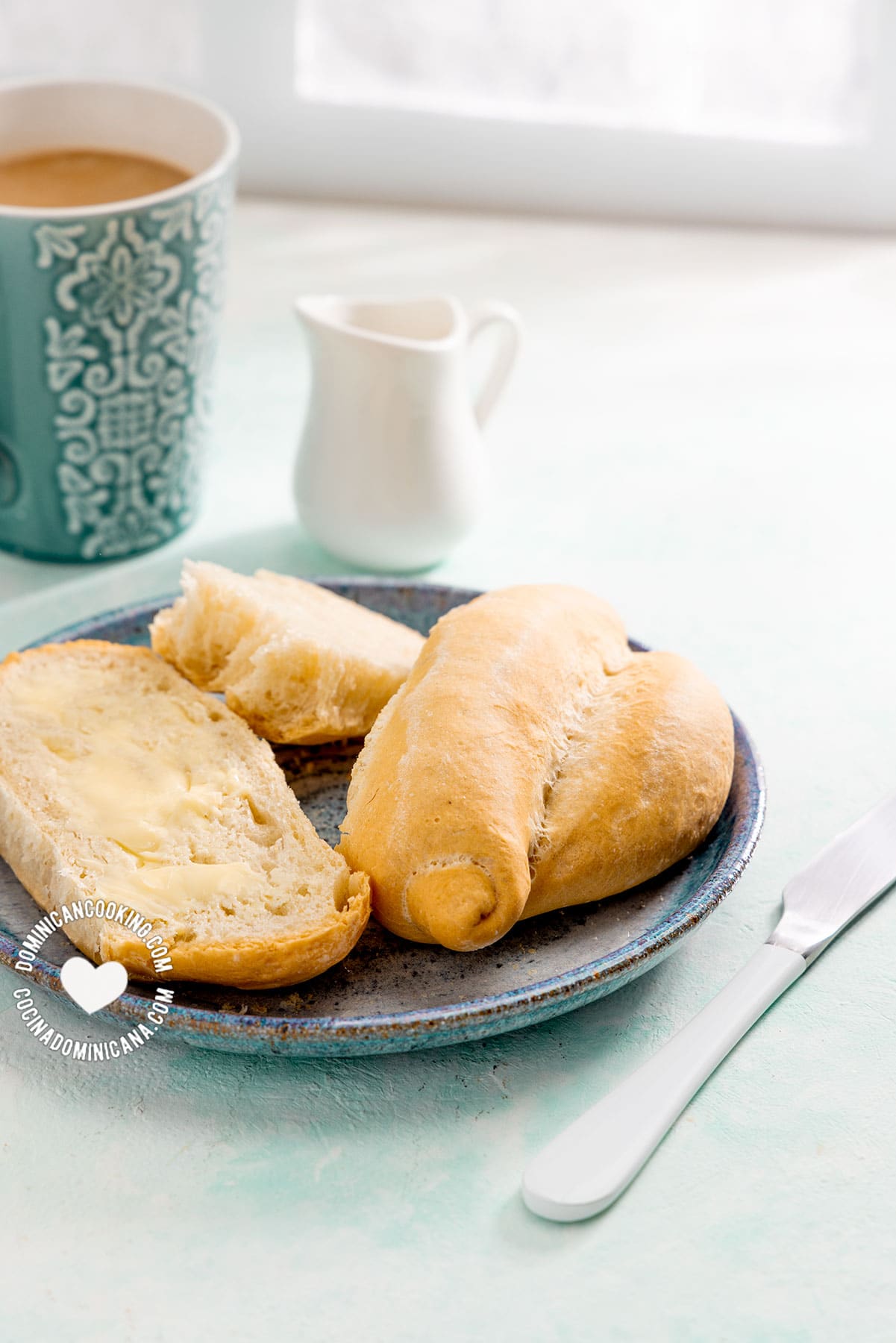
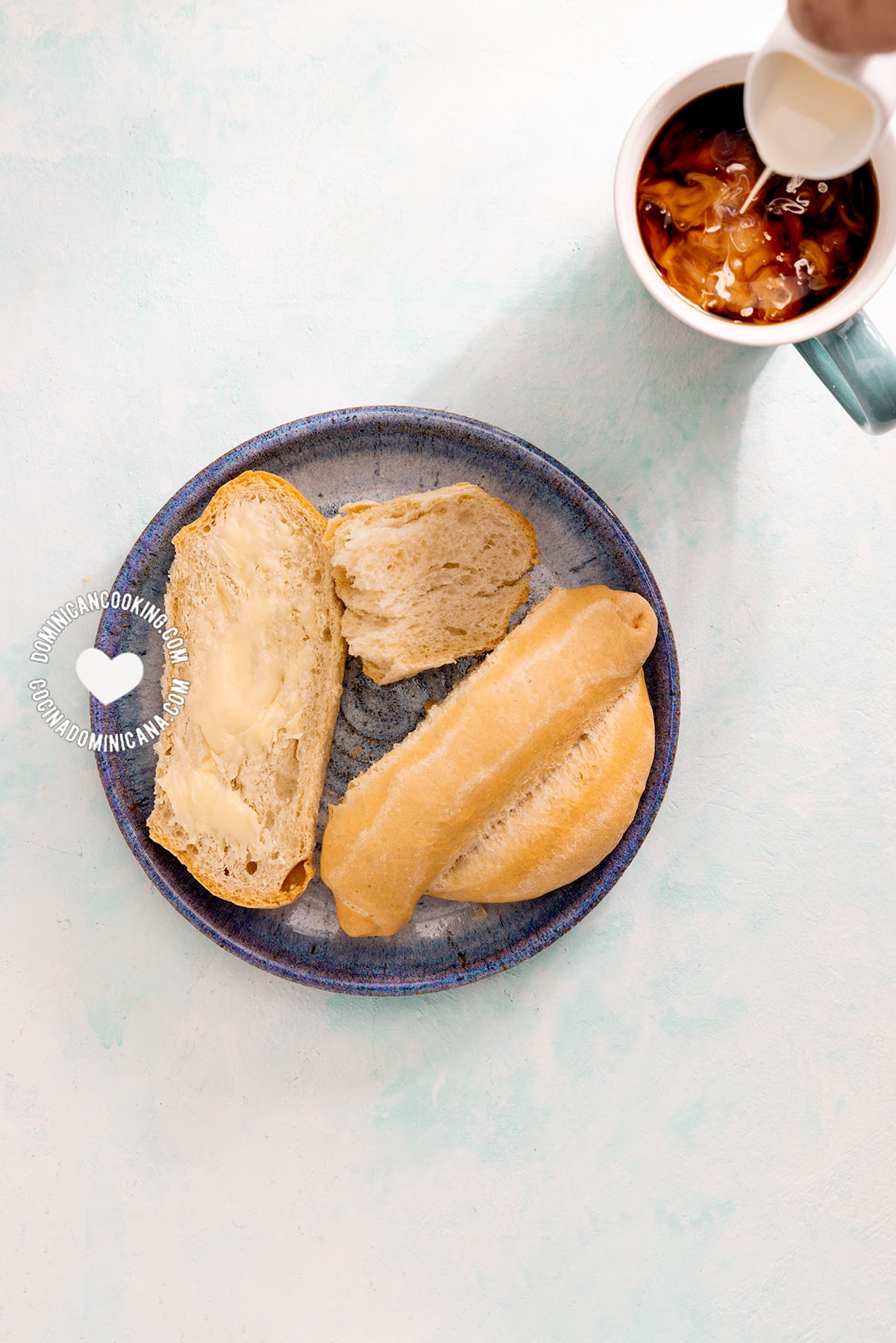
Breakfast bread rolls (pan de agua).
Serving suggestions
Pan de agua is typically served for breakfast or dinner with Dominican hot drinks, like Chocolate con leche (Dominican cocoa), Chocolate de agua (non-dairy cocoa), Café con leche (Dominican latte), and others.
Pan de agua is also used to make Dominican sandwiches, like Chimi (Dominican burger), Rikitaki and Frikitaki (Dominican sandwiches), and Sandwich de jamón y queso (ham and cheese sandwich).
Top tips
- Visual clues: It's important to remember that we're dealing with living creatures. Yeast will react differently to different temperatures, altitudes, humidity, etc. There's no way to give exact times, you need to rely on visual clues to know how things are progressing.
- Flour: For this, you need bread flour (harina de fuerza, in Spanish). You cannot make it with all-purpose bread.
- Oven: Results will vary depending on the oven you have; you'll need to rely on visual clues because different ovens will have different results.
- Mixer: You need a mixer with a dough hook or a bread machine with a kneading cycle. The dough is very shaggy and sticky and difficult to knead by hand. Check your mixer because different mixers have different capacities. Make sure yours can knead a one-pound loaf.
- Yeast: You need fresh active dry yeast, old yeast that has long been in your pantry/fridge may be dead or less potent.
- Olive oil? Olive oil is not traditionally used in Pan de agua, but it is an option if you do not wish to use other vegetable oils.
About this recipe
There were two bakeries in my hometown; both made Pan de agua with different textures and flavors.
When I was a child, a messenger on a heavily loaded tricycle delivered "pan de agua" to our door every evening. My mom bought from the one that made Pan de agua with fewer holes and a softer crust, which is the opposite of what you'd expect in a baguette, and evidence that everyone has a different idea of what makes good Pan de agua.
Most panes de agua sold in colmados have the traditional shape, parallel long and short rolls stuck together. But this is not the only pan de agua you can find. Step into a city supermarket and the bread you'll be given will be more similar to a mini-baguette.
You can make the traditional loaf or the simplified modern one (which I prefer for sandwiches and chimi).

Video
Recipe
This awesome free recipe contains Amazon affiliate links, we receive a small commission from any purchase you make at no extra cost to you. Thanks for your support!
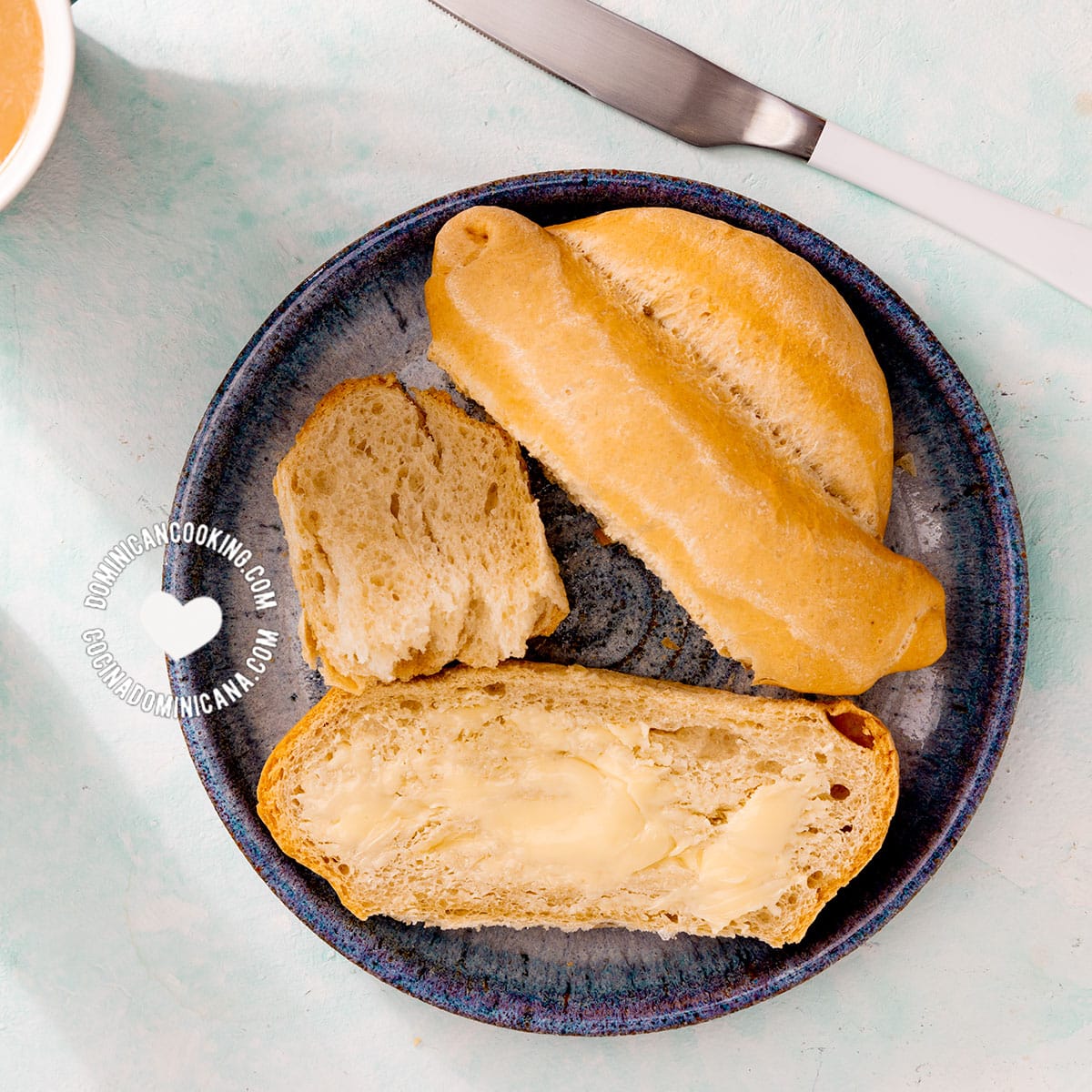
Pan de Agua [Video+Recipe] Dominican Breakfast Bread Rolls
Equipment
- Parchment paper to line both baking sheets
- 1 spray bottle (food safe)
- Mixer (or kneading machine)
Ingredients
- 2 cups bread flour, [350 grams]
- 2 teaspoons instant dry yeast
- ½ tablespoon salt
- 1 cup ice-cold water, [236 mililiters] plus two tablespoons extra if needed
- 1 tablespoon vegetable oil, (or olive oil), plus extra to grease hands, parchment paper, and countertop.
- 3 cups hot water, to make steam in the oven
- 2 tablespoon room temperature water, in the spray bottle
Instructions
1. Combining
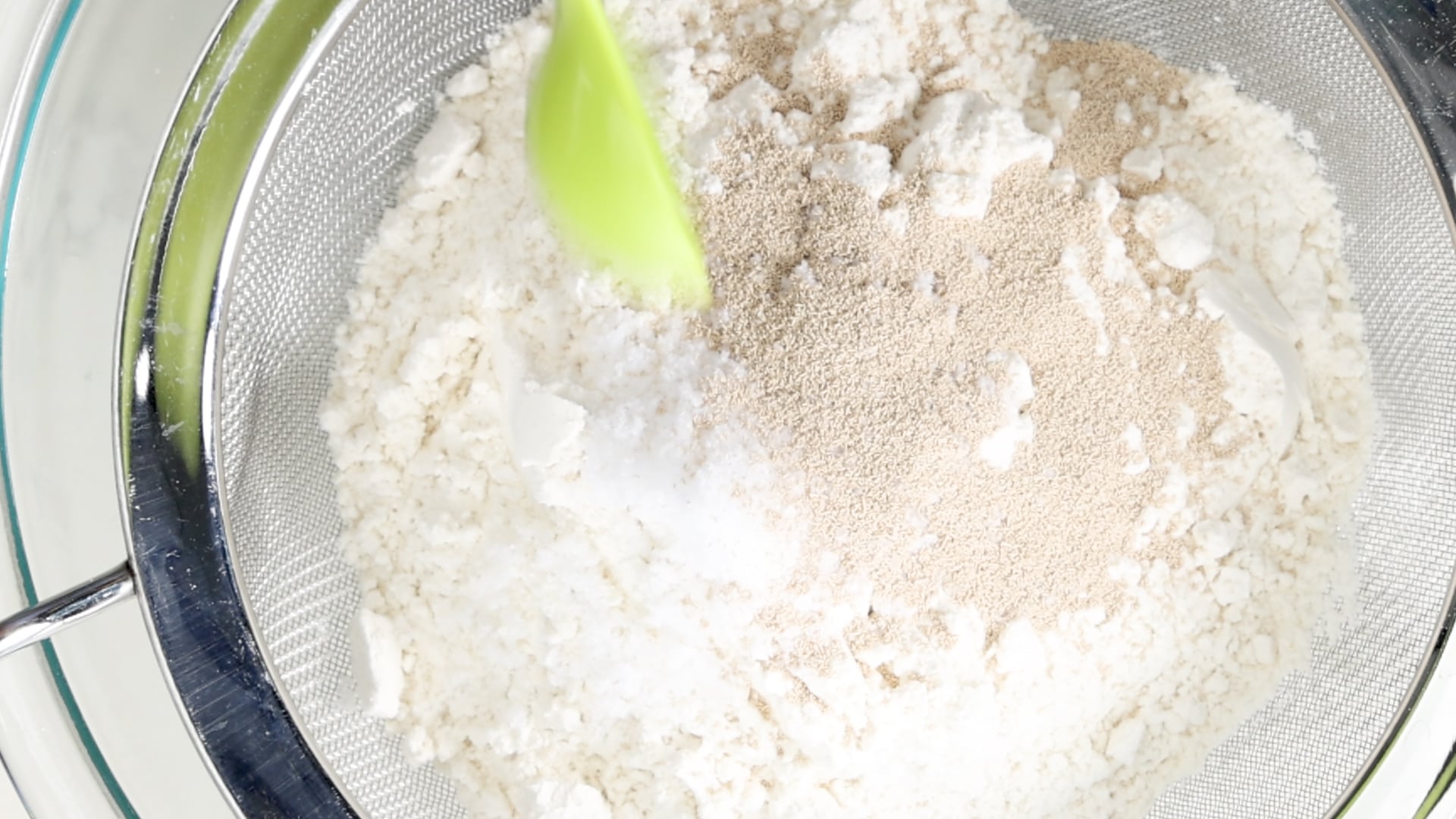
 Combine flour, salt, and yeast, and sift together. Pour the flour into the mixer vase.Add 1 cup of cold water to the flour.
2. Kneading
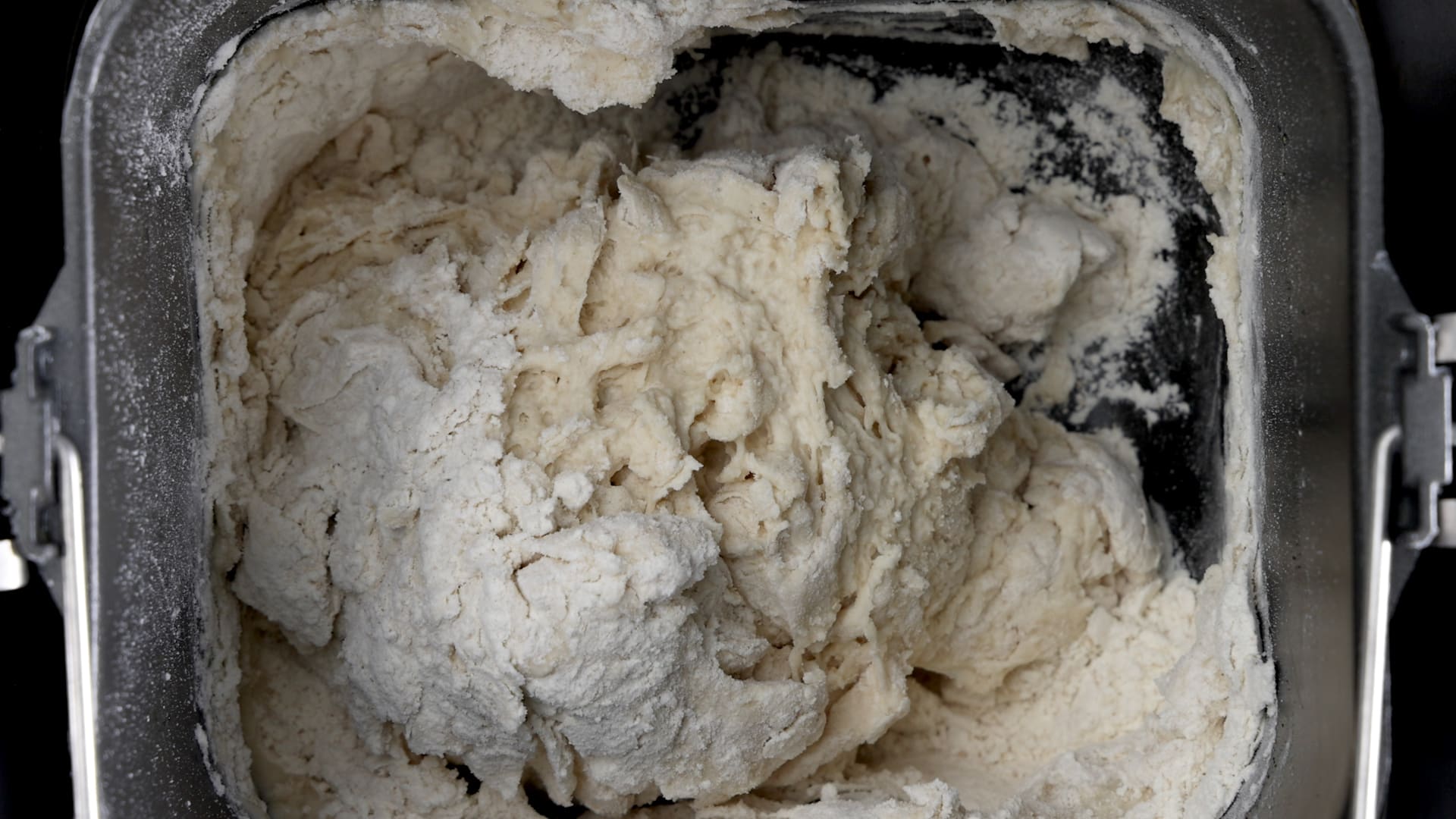
- Start kneading at low speed (use the hook attachment if you're using a mixer). Run until most of the dough has gathered into a ball. You may need to scrape the sides if there's dry flour. If it looks too dry, add two tablespoons of cold water.Increase the speed to medium and run for 10 minutes. While you knead the dough, line two baking sheets with parchment paper greased with oil, and set them aside.
3. Adding oil
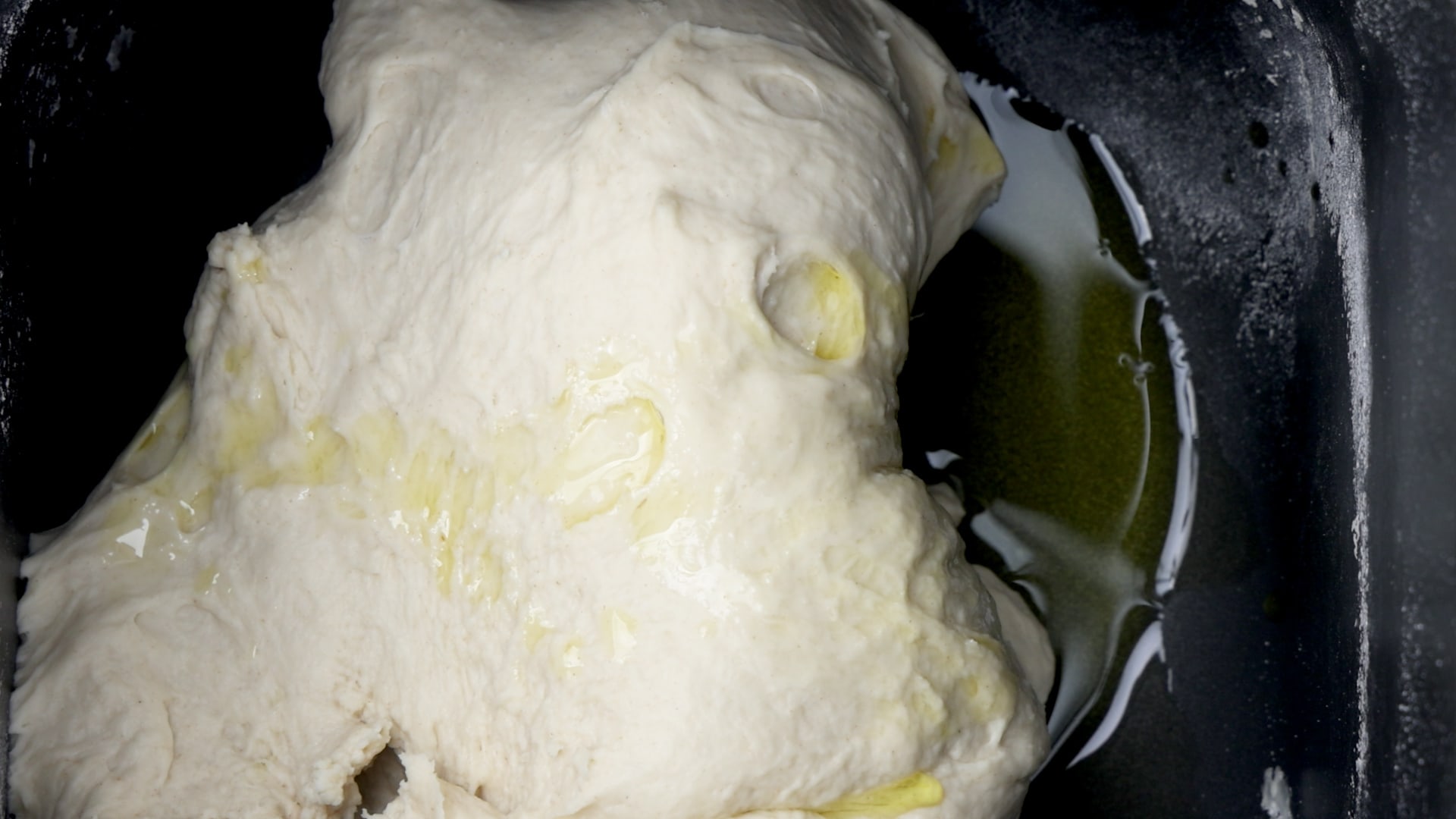
- Stop the mixer/bread maker and pour 1 tablespoon of vegetable oil onto the dough.
4. Knead again
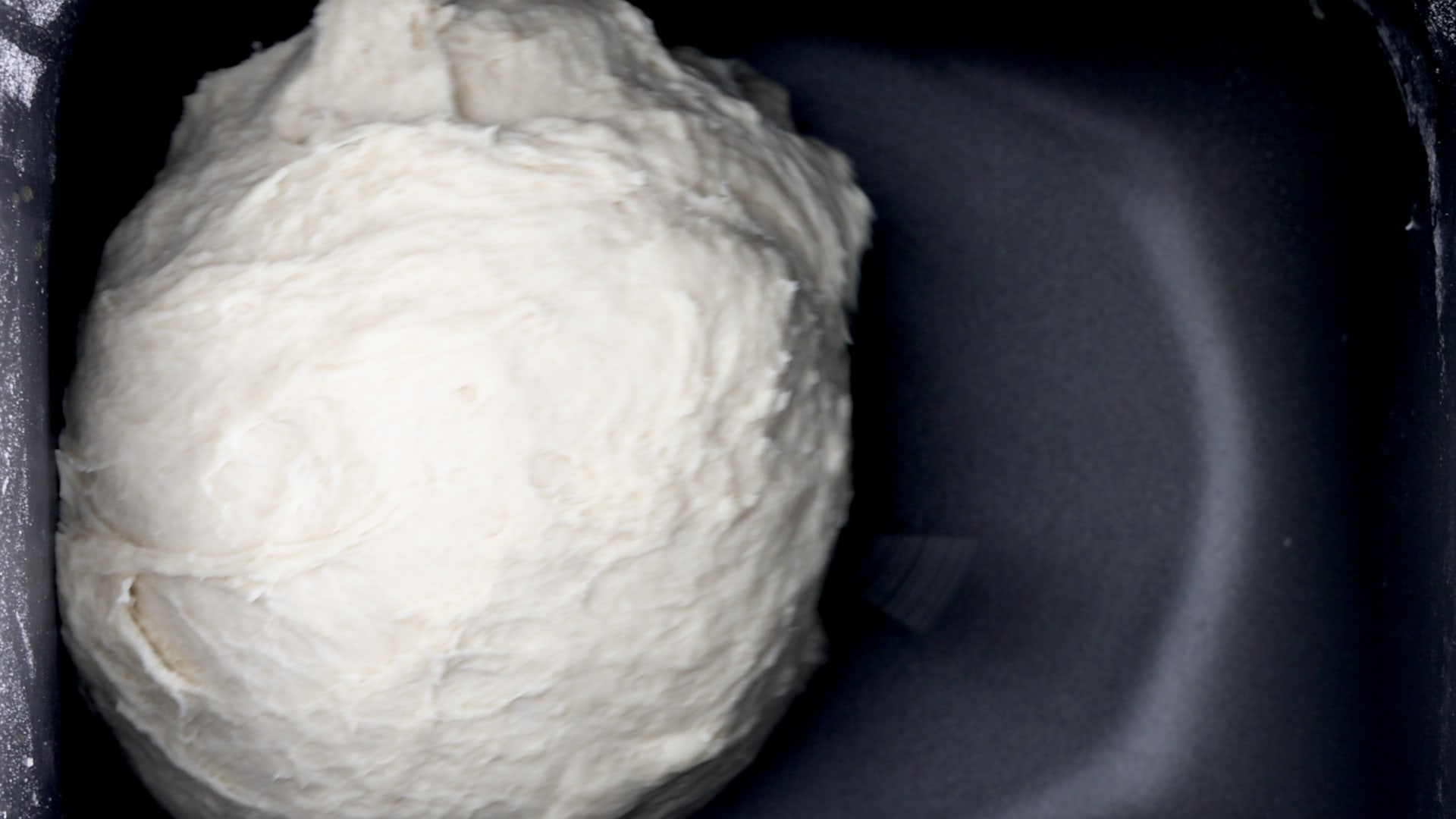
- Start kneading at low speed until most of the oil has been incorporated into the dough (about 3 minutes).Increase the speed to medium and knead for another 10 minutes, or until it passes the windowpane test (see below).
5. Windowpane test
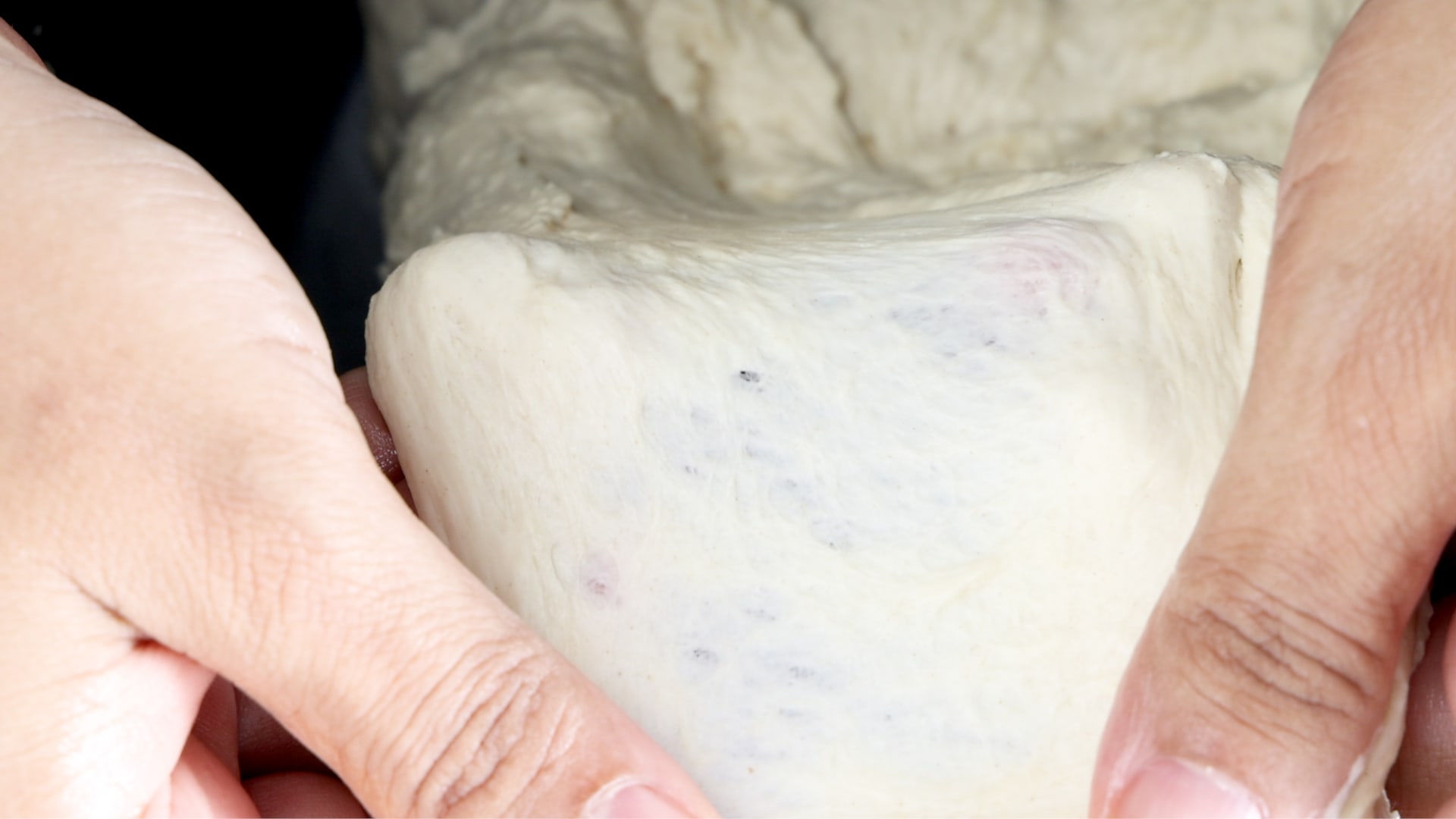
- Grease your hands with a bit of oil.Pull some of the dough and stretch gently until it's thin enough that you can see your fingers on the other side without breaking. If you can't do that, knead for another 5 minutes.
6. Form rolls
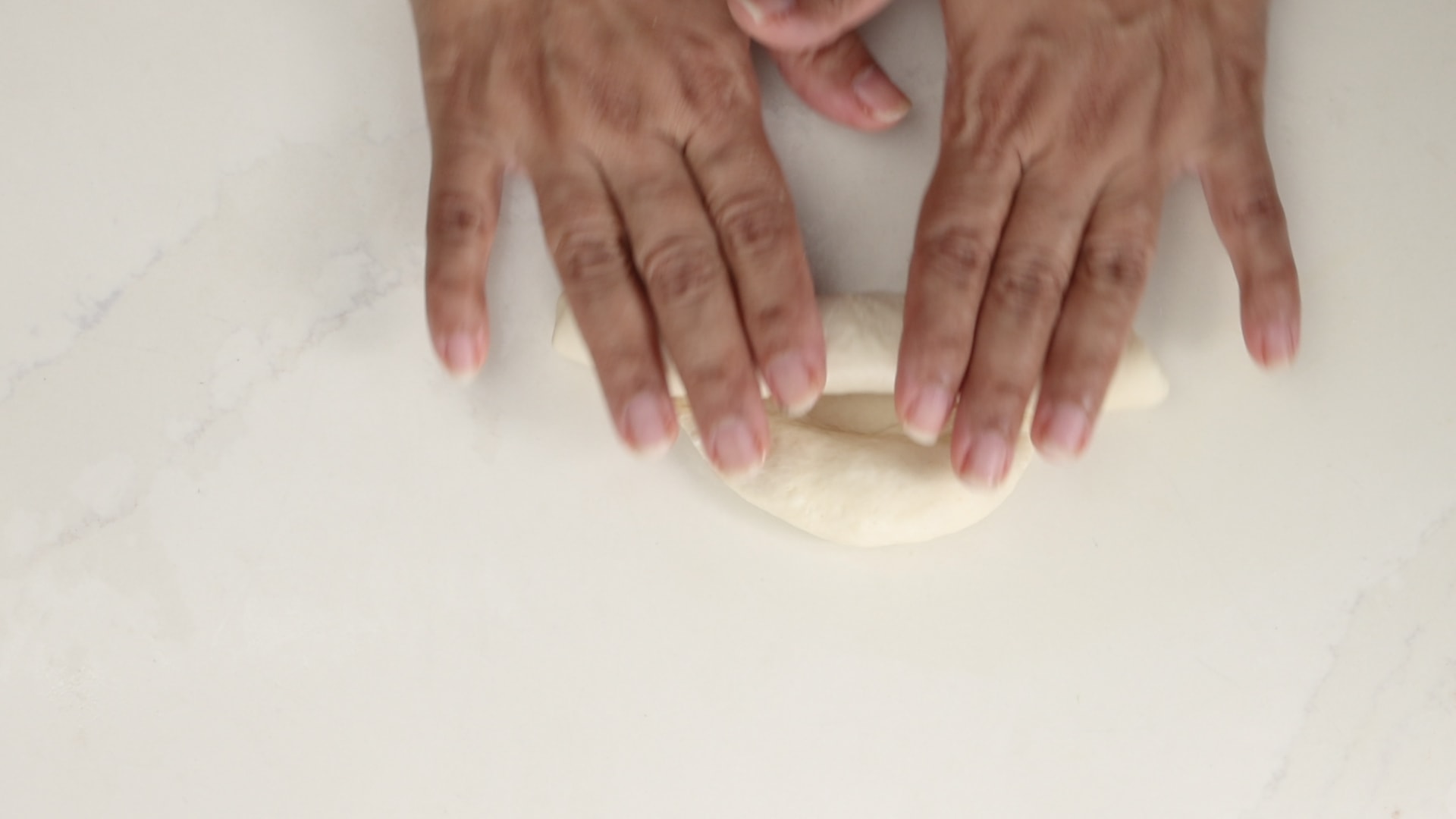
- Place the dough onto the greased countertop. Divide the dough into 6 equal balls.⚠️ If you want to be exact, weigh the initial dough and divide it into six, then weigh the balls to make sure they're the same weight. I simply eyeballed it.Make the bolls into thin rolls to make modern mini-baguette-type pan de agua (about one inch [2.5 cm] in thickness. See the video to learn how to shape them into traditional rolls.As you form them, put them seam-side-down onto one of the lined and greased sheets.
7. Rising
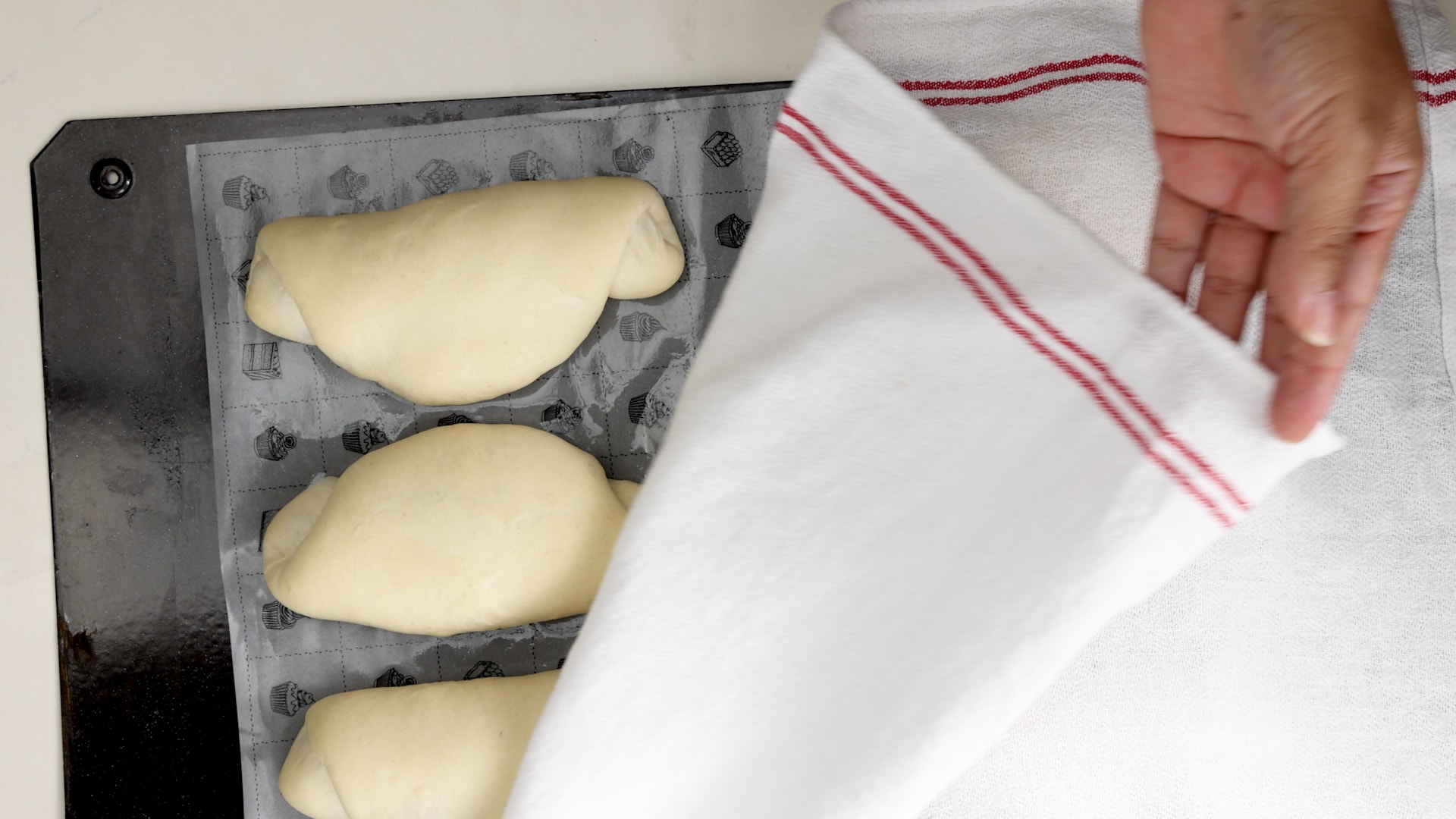
- Cover the baking sheet with a clean cotton tea towel and let it rest in a place that's not too hot or cold (where you'd be comfortable).⚠️ In the summer, I let mine rise in a room with the air conditioner on, because I live in the Dominican Republic, and it's typically hot most of the year. The rolls have to double in size, and the time it takes will depend on the temperature, humidity, and altitude, around 60 to 90 minutes. Check at 60 minutes and keep checking every 15 minutes if it's not done.
8. Preheat oven
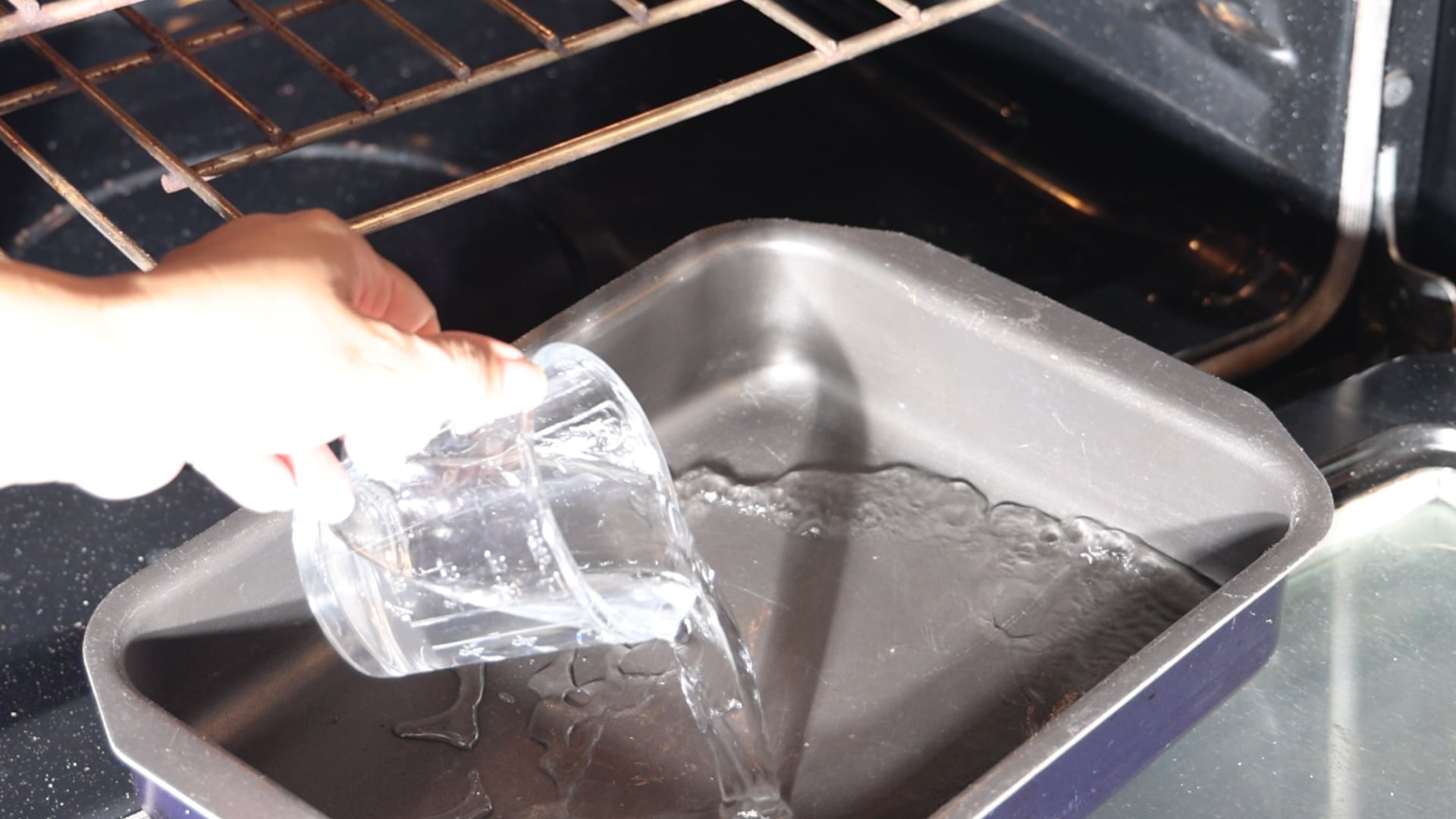
- At about 40 minutes since the bread starter rising, preheat the oven to 350 º F [177 ºC] if it's a convection oven (with a fan), 375º [190 ºC] for a regular oven.Place a baking pan at the bottom of the oven, and pour 3 cups of hot water into it. The oven should be very steamy before you put the bread in the oven.
9. Ready rolls
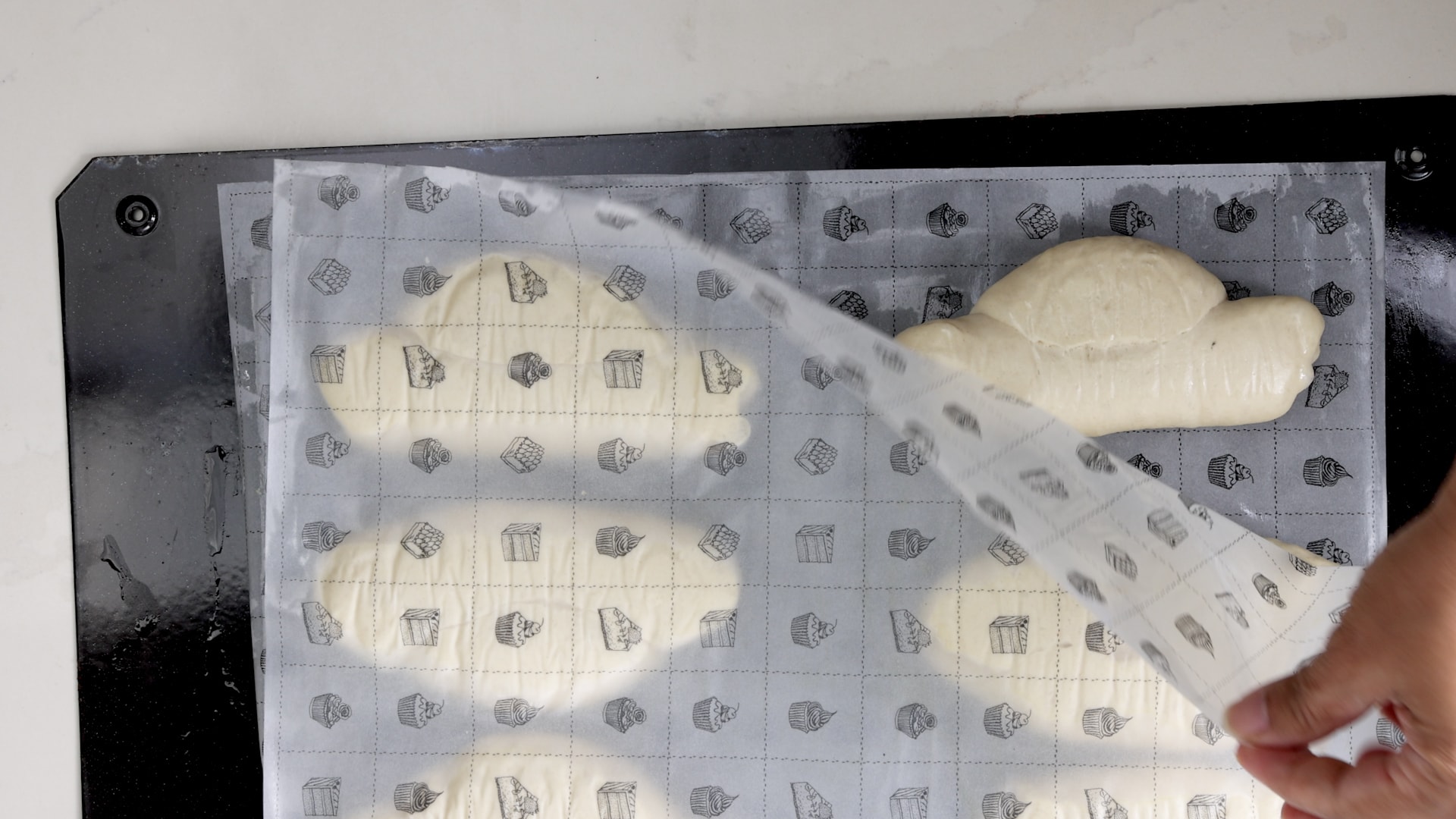
- Once the rolls have doubled in size, remove the tea towel.Cover the bread with greased parchment paper (greased side-down). Place the other baking sheet on top without letting the baking sheet rest its weight on the bread.Flip the baking sheets, so now the bread is seam-side-up. Remove the top baking sheet and parchment paper.
10. Bake
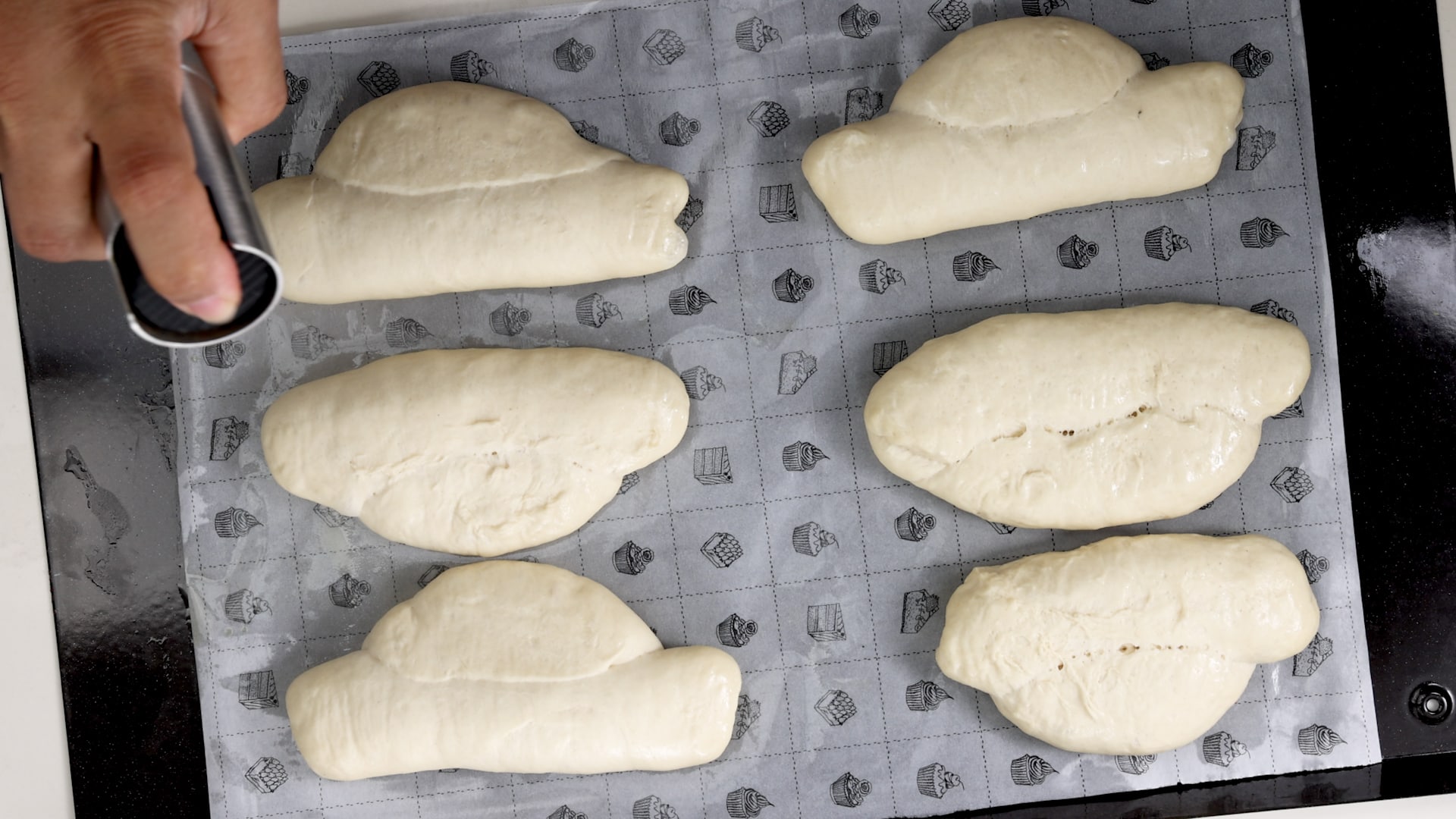
- Spray the bread with a fine mist of water with the spray bottle and immediately place the baking sheet with the bread in the center of the oven and close fast so the steam doesn't escape.Bake for 20 minutes. If the pan still has water, remove it from the oven (be very careful).Move the bread to the top rack of the oven, and bake more until they have a golden brown crust (7 - 10 mins approx).
11. Serve
 Remove from the oven.See serving suggestions above the recipe.
Cook's Notes
Nutrition
Nutritional information is calculated automatically based on ingredients listed. Please consult your doctor if you need precise nutrition information.
Want to save this recipe?
Enter your email & I'll send it to your inbox. ❤️ Plus, get great weekly recipes from me!
More Dominican bread recipes
Don't miss our whole collection of traditional Dominican bread recipes and make at home Pan sobao, Telera Dominicana, and more.

- Learn more about me and the humans behind this blog.
- Share your questions and comments about this post.
- Subscribe to receive our recipes and articles by email.
- Please stay in touch! Follow us on: