
• Skip to primary navigation
  • Skip to main content
  • Skip to primary sidebar

Dominican Cooking logo

  • START HERE
  • RECIPES
  • COOKERY
  • CULTURE
  • COOKBOOKS
  • ❤
menu icon
go to homepage
  • START HERE
  • RECIPES
  • COOKING
  • CULTURE
  • COOKBOOKS
  • ❤
search icon
Homepage link
  • START HERE
  • RECIPES
  • COOKING
  • CULTURE
  • COOKBOOKS
  • ❤
×
Home » Culture » Heritage


25 years of trusted Dominican recipes!
Our free content is supported via ads and affiliate links. ¡Gracias!

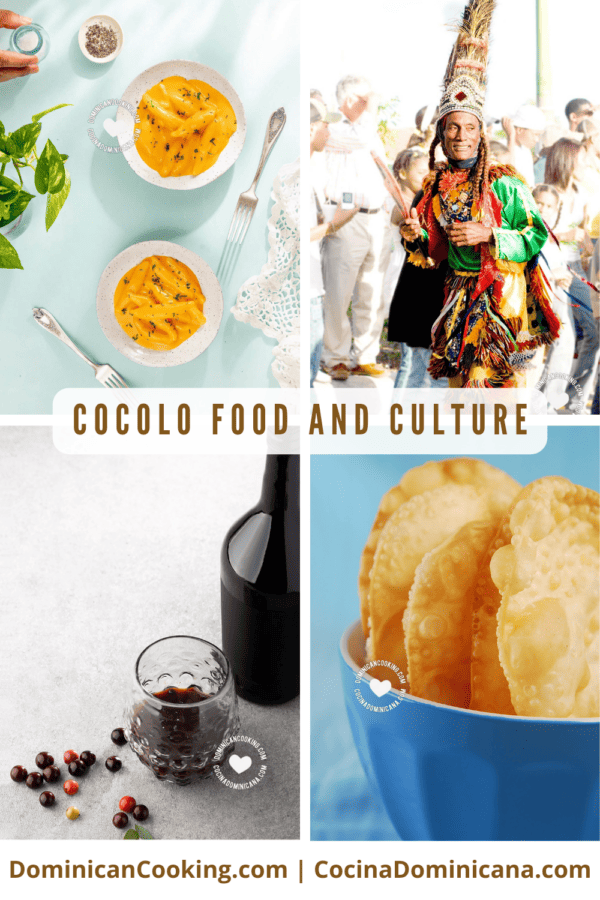
Dominican Cocolo Food and Culture

Dominican cocolo food and culture.

En Español

Of all the ingredients that make the flavorful stew that is the Dominican culture, Cocolo food and culture is an oft-forgotten dash of spice. But this cultural group has made some important and popular contributions to our cultural traditions and gastronomic heritage.

By Clara Gonzalez - Reviewed: May 30, 2024. Original: 25 Apr 2019

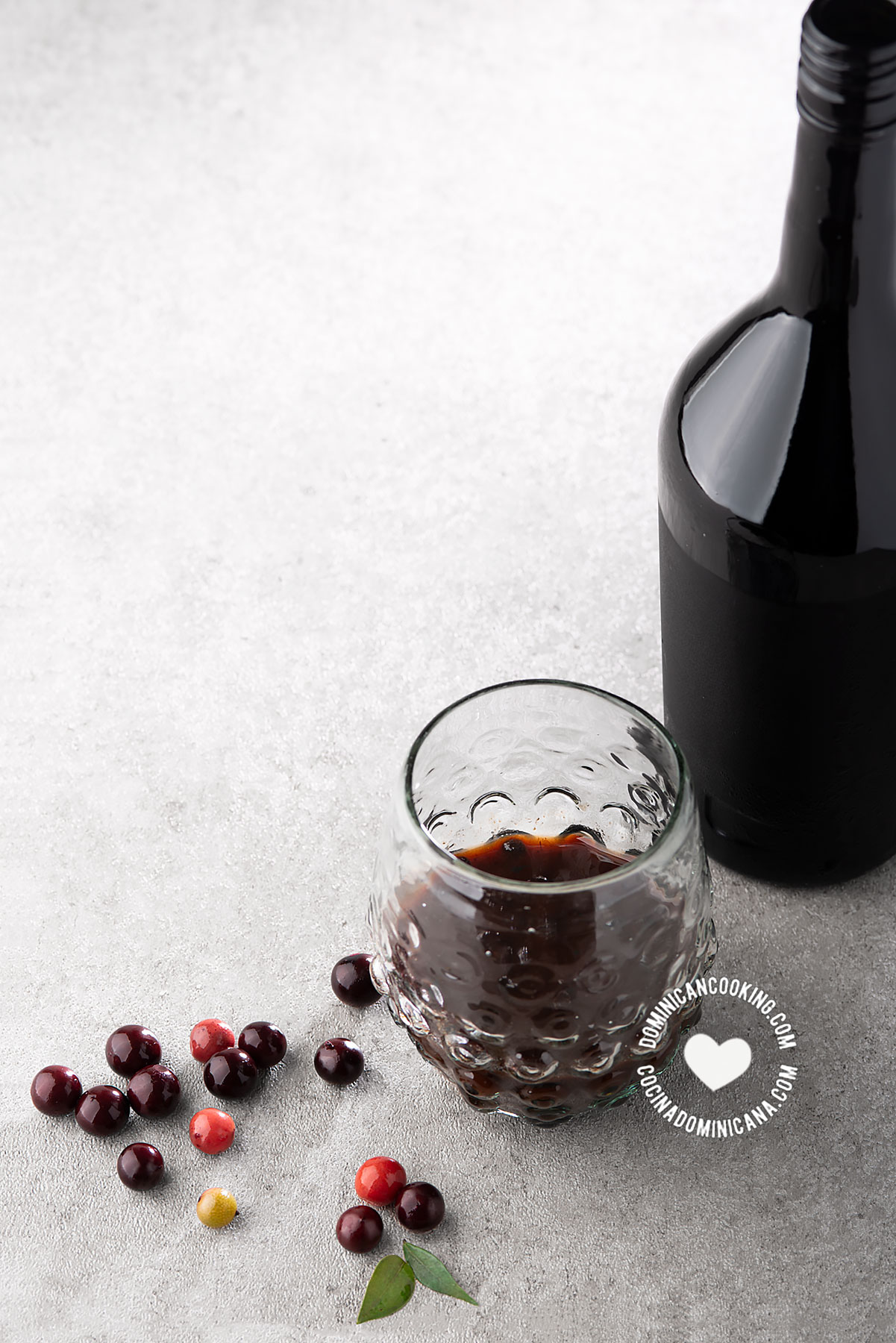
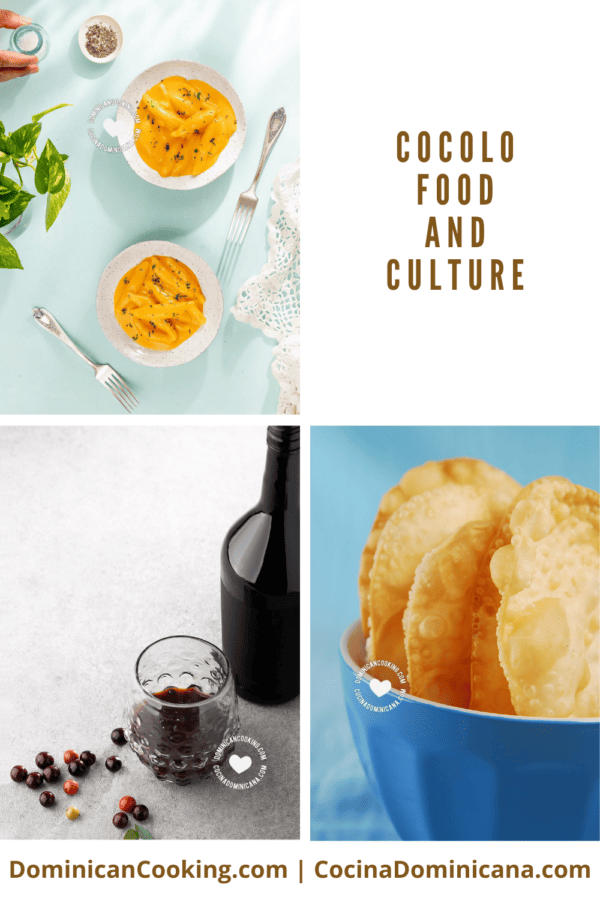
Guavaberry drink and fruits.
Guavaberry liqueur and fruits.

JUMP TO: show ↓
1. Cocolo history
2. The meaning of cocolo
3. Cocolo food
4. Other sources

Cocolo history

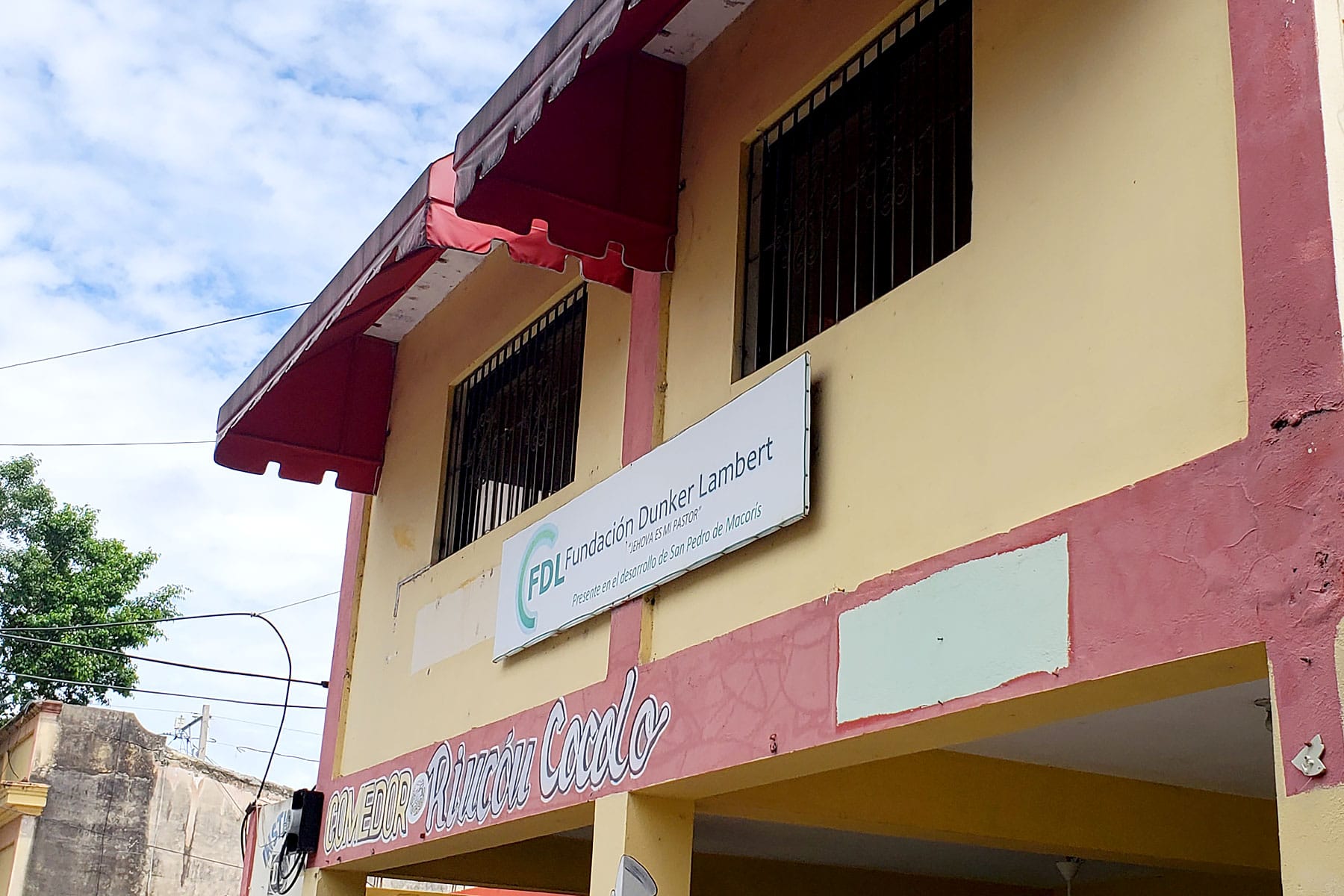
I traveled to San Pedro de Macorís, Cocolo country, and Ms. Margot Dunker was my guide to cocolo culture. She heads a foundation that works to preserve cocolo culture, and owns Rincón Cocolo, a small fonda that serves cocolo food. My first question to her, of course, was about who the cocolos were:

"Cocolos are Dominican descended from black immigrants from the British West Indies, mainly from the Westward and Leeward Islands."

Many cocolos immigrated from the Bahamas and Turks and Caicos; Margot's family came from St Martin. But the name was applied to anyone from former (and current) British possessions who, starting in the 1800s and up to 1920 [2], came to work in the sugar industry. Most cocolos are now second, third, and fourth-generation Dominicans.

Although there are some similarities with the culture of freed enslaved people who immigrated from the US to Samana and - to a lesser extent - Puerto Plata, and other groups of black English-speaking migrants [2], Cocolos are a distinct group.
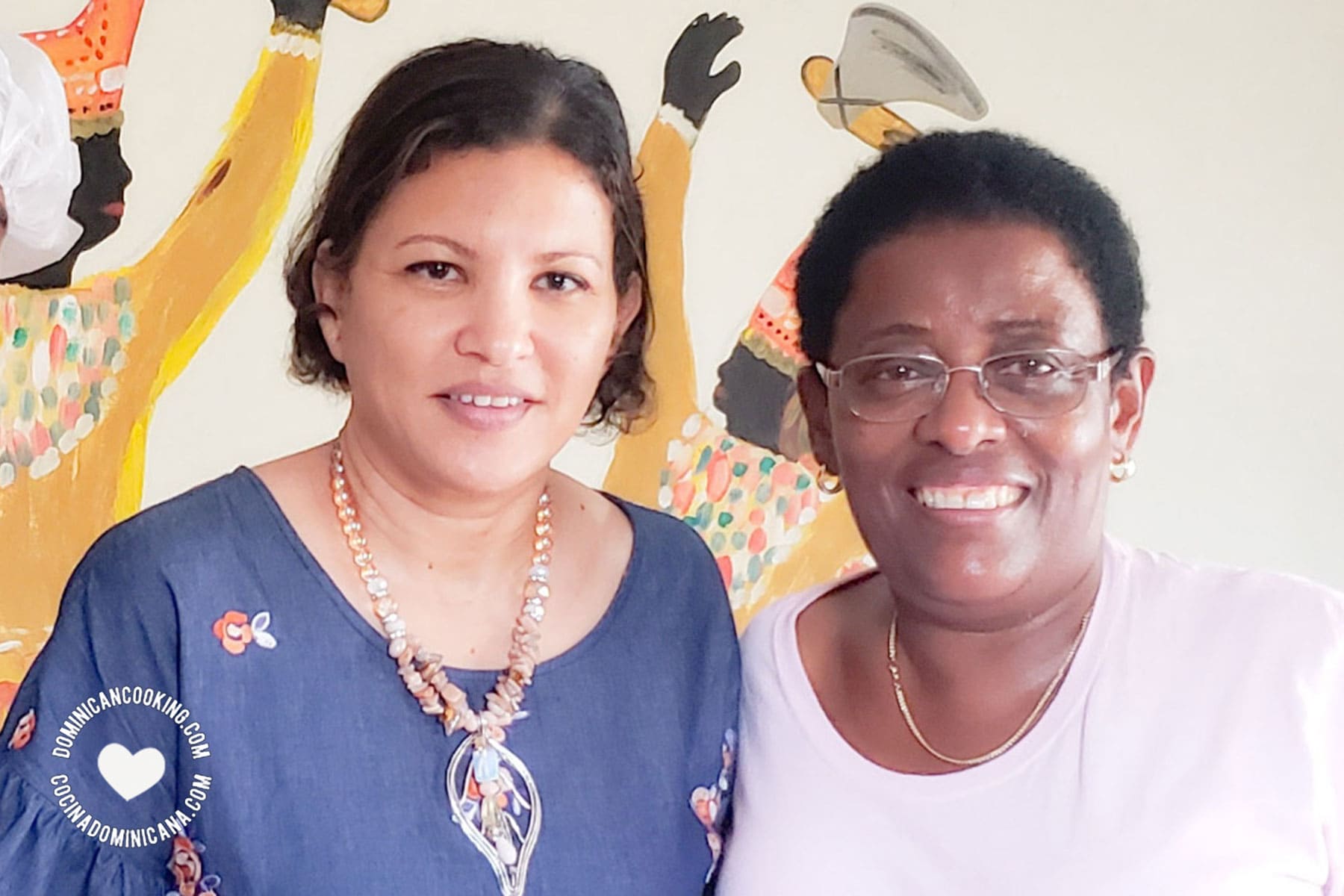
Margot Dunker and Aunt Clara
Fundación Dunker-Lambert-Restaurant Cocolo

Tía Clara and Margot Dunker at Rincón Cocolo.

Cocolos were active in establishing protestant churches in the country, including Anglican and Evangelical congregations.

They founded some of the first "mutual aid societies", in which members paid a membership fee and received financial assistance in case of sickness, death, and legal difficulties. Cocolo immigrants also established several lodges in the country, some exclusively for Cocolo immigrants, although they later opened their membership to anyone.

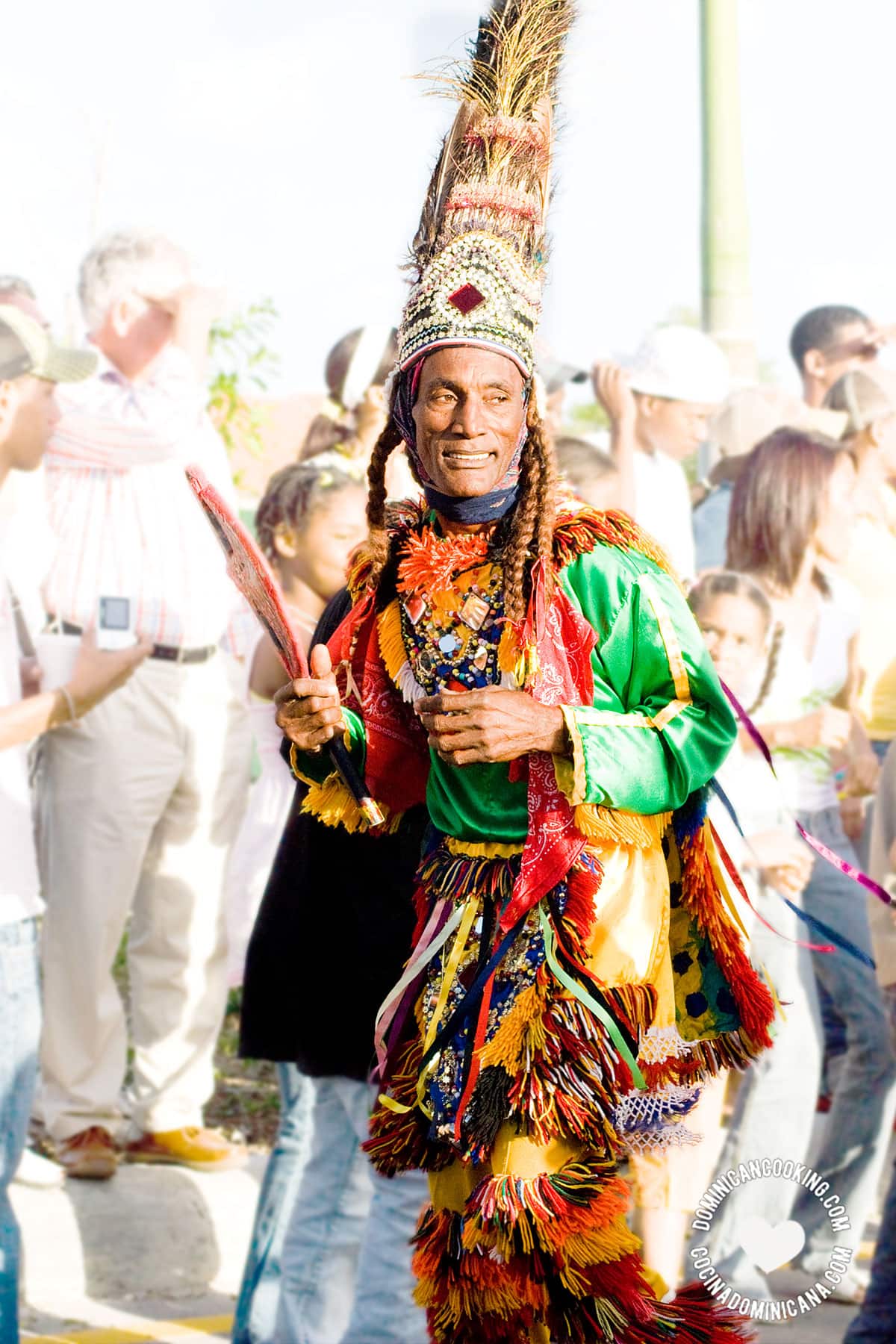
Another well-known contribution from Cocolos is the "guloyas," a dance troupe now a part of the traditional carnival parade.
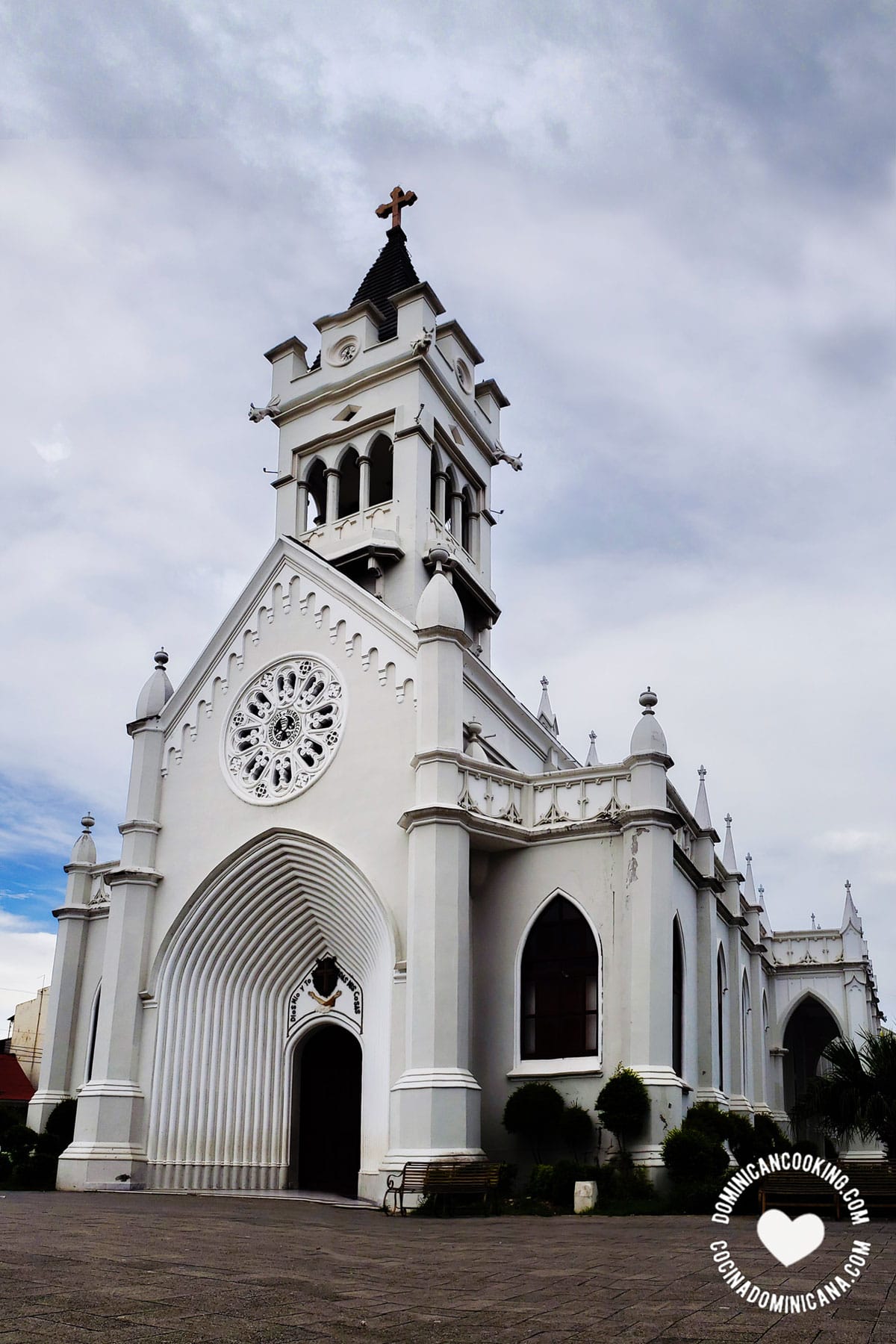
San Pedro de Macorís Cathedral.
Guloya, carnival.

San Pedro de Macorís Cathedral, and Guloya carnival.

The meaning of cocolo

The origin of the term "Cocolo" itself is in dispute. It appears in literature going back to the mid-1800s used to describe Haitian immigrants derogatorily, but there is at least an example of the word, used to describe a Taino boy.

"It seems to have been synonymous with dark-skinned person," Margot tells me, "but it is nowadays just a name for this group of British West Indies immigrants, and it's lost its offensive connotations."

Cocolo food
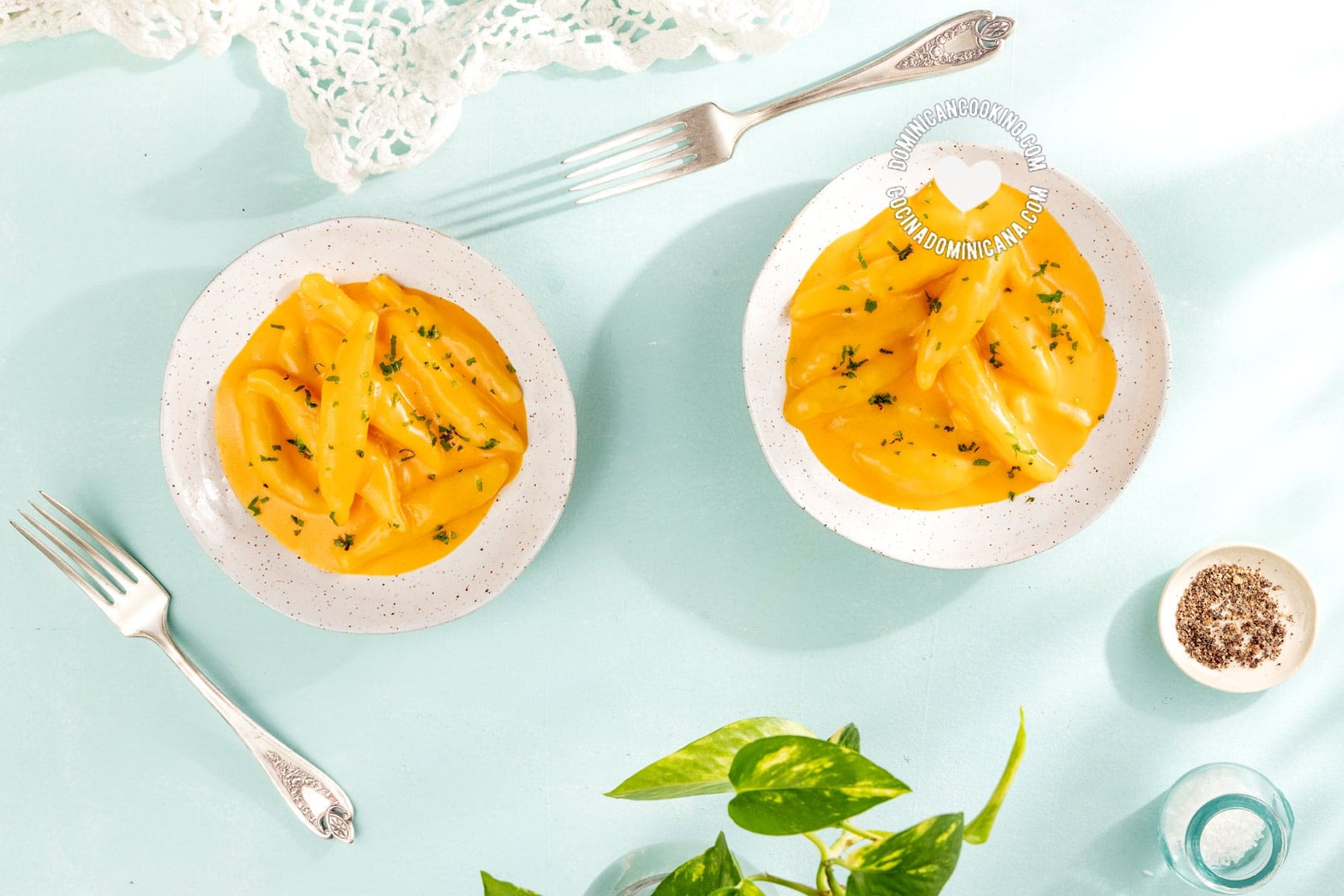
Dominican domplines (dumplings).

And, of course, food and drinks were part of the cocolo contribution to our culinary heritage.

The best-known dish of those is Yaniqueque, followed by Domplines. Lesser known are Guavaberry - a drink - Calalú, a stew named after one of its ingredients, the leaves of yautía coco, and Funyí, a corn-based dish. You can also enjoy Dulce de arrayán, or guavaberry in syrup.

It's important to note that many other dishes may have been lost in time or only survived within Cocolo families.

Are you a descendant of Cocolos? How do you keep this part of your culinary heritage alive? We'd love to hear about it in the comments.

Tia Clara

Other sources

  • Tolentino Dipp, Hugo, Itinerario Histórico de la Gastronomía Dominicana (Santo Domingo: Amigo del Hogar, 2014).
  • Orlando, Inoa, Trabajadores Inmigrantes en República Dominicana (Santo Domingo: Ed. Letra Gráfica, 2018) p. 98, 106-108.
  • J. Marcano - Los Cocolos - Origins
  • Revista Acento - Los aportes de la comunidad guloya a la cultura de República Dominicana
  • Los Cocolos de San Pedro de Macorís
¡Hola 👋! Thanks for visiting.I'm Tía Clara, your Internet 🇩🇴 Auntie and hostess.

- Learn more about me and the humans behind this blog.
- Share your questions and comments about this post.
- Subscribe to receive our recipes and articles by email.
- Please stay in touch! Follow us on:
More Dominican Culture and Heritage

  • “The Dominican Flag”, the national standard lunchtime dish.
    What Time is Lunch in the Dominican Republic?
  • Vinagrillo vinagre (bilimbi vinegar).
    Uncommon Dominican Recipes You Probably Never Tried
  • Rendir: Dominican Meat Dishes with Vegetables
  • Repollo guisado (atewed cabbage).
    Vegetarianism in the Dominican Republic

Comments

No Comments

Recipe Rating


Recipe Rating


This site uses Akismet to reduce spam. Learn how your comment data is processed.

0 Comments
Most Voted
Newest Oldest
Inline Feedbacks
View all comments

Primary Sidebar

Tia Clara's Dominican Cooking
The oldest and largest Dominican cooking website, with 25 years of dependable, authentic traditional Dominican recipes and the best of Dominican food culture and traditions.
More about us ➜

  • Facebook page
  • Instagram account
  • Youtube channel
  • Pinterest account
  • Bluesky
La Bandera Dominicana free ebook.

Don't miss

  • Sancocho de guandules (pigeon peas stew).
    Sancocho de Guandules (Pigeon Peas Stew)
  • Dominican chambre or chapea (rice and beans stew)
    Chambre or Chapea (Beans, Rice and Meat Stew)
  • Tocino de chivo: salted goat meat.
    Salted Meat (Carne Salada, Cecina or Tocino)
  • Habichuelas negras guisadas (black beans).
    Habichuelas (Frijoles) Negros (Stewed Black Beans Recipe)
  • Ensalada de aguacate (avocado salad).
    Ensalada de Aguacate (Dominican Avocado Salad)
  • Mangu (Dominican mashed plantain).
    Mangu (Traditional Dominican Mashed Plantains)

Most popular Most recent

Footer

featured on

Lee este contenido

En Español

SIGN UP and receive emails,
updates, and surprises!

Or follow us on

  • Facebook
  • Instagram
  • YouTube
  • Pinterest
  • Bluesky

Made in 🇩🇴 with ❤️

© 2025· LUNCH CLUB BOOKS, LLC
ALL RIGHTS RESERVED. Tia Clara® is a registered trademark.

DO NOT reproduce without authorization.

As Amazon Associate, I earn from qualifying purchases. READ...


↑ BACK TO TOP | ABOUT US | BLOG | CONTACT US | WE GIVE | PRIVACY & POLICIES | DOMINICAN COOKBOOK | PORTFOLIO

wpDiscuz
You are going to send email to

Move Comment