
The materials used to make kitchen pots and pans could affect the nutritional quality of food, and reduce or increase the loss of nutrients during cooking. In addition, some pans intensify the natural aroma of some foods, and sometimes improve their flavor and texture.
By - Reviewed: . Original: Aug 13, 2006
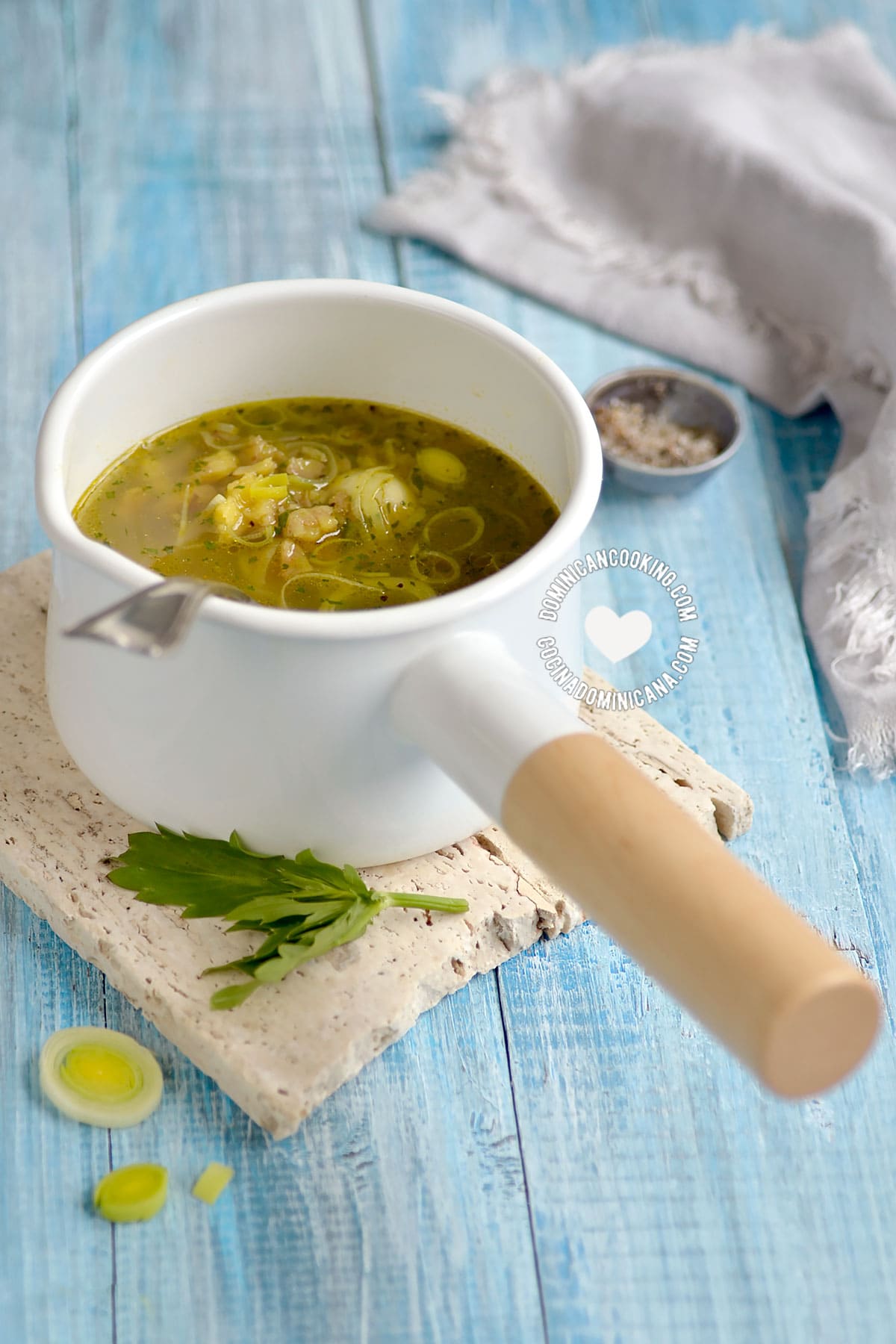
Most of us can't tell a pot from a pan, except when it comes to "concón" - that concoction of crunchy, oily and delicious rice that sticks to the bottom of the pot and that no pan has ever had the honor of creating. What's more, we only found out about Teflon when talk of "healthy cooking" began.
Let's look at some commonly used materials, the best cooking material for health, and how they affect food:
Copper
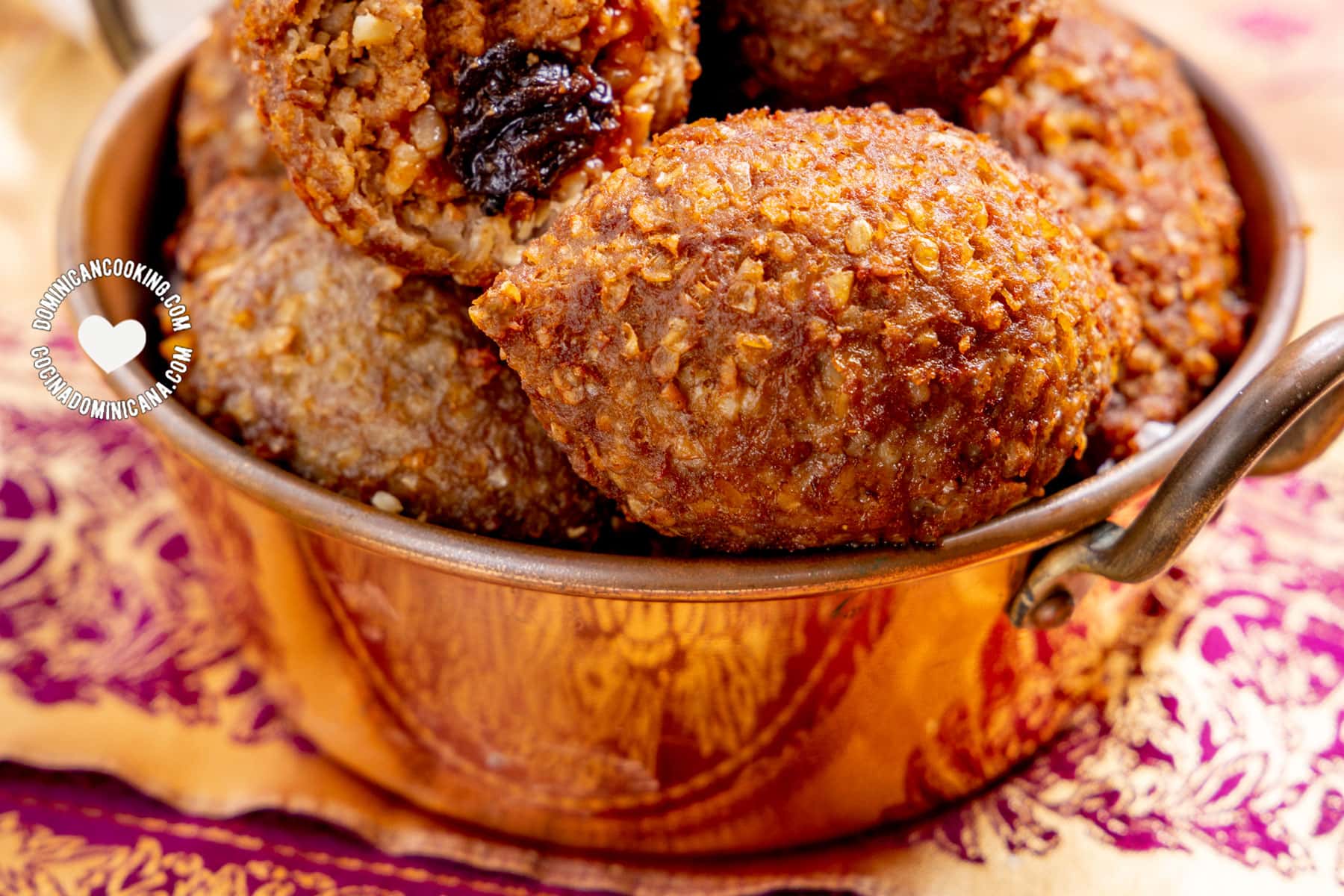
Copper pots heat up in a stable and moderate manner. To make the most of this property, pans made from other materials use a copper coating to increase heat.
However, copper itself is a potentially poisonous material. Whenever you cook using copper pots, make sure that they haven't been damaged through daily use. If you can see orange-colored lines in the traditional metallic color, throw it away to be on the safe side.
Aluminum
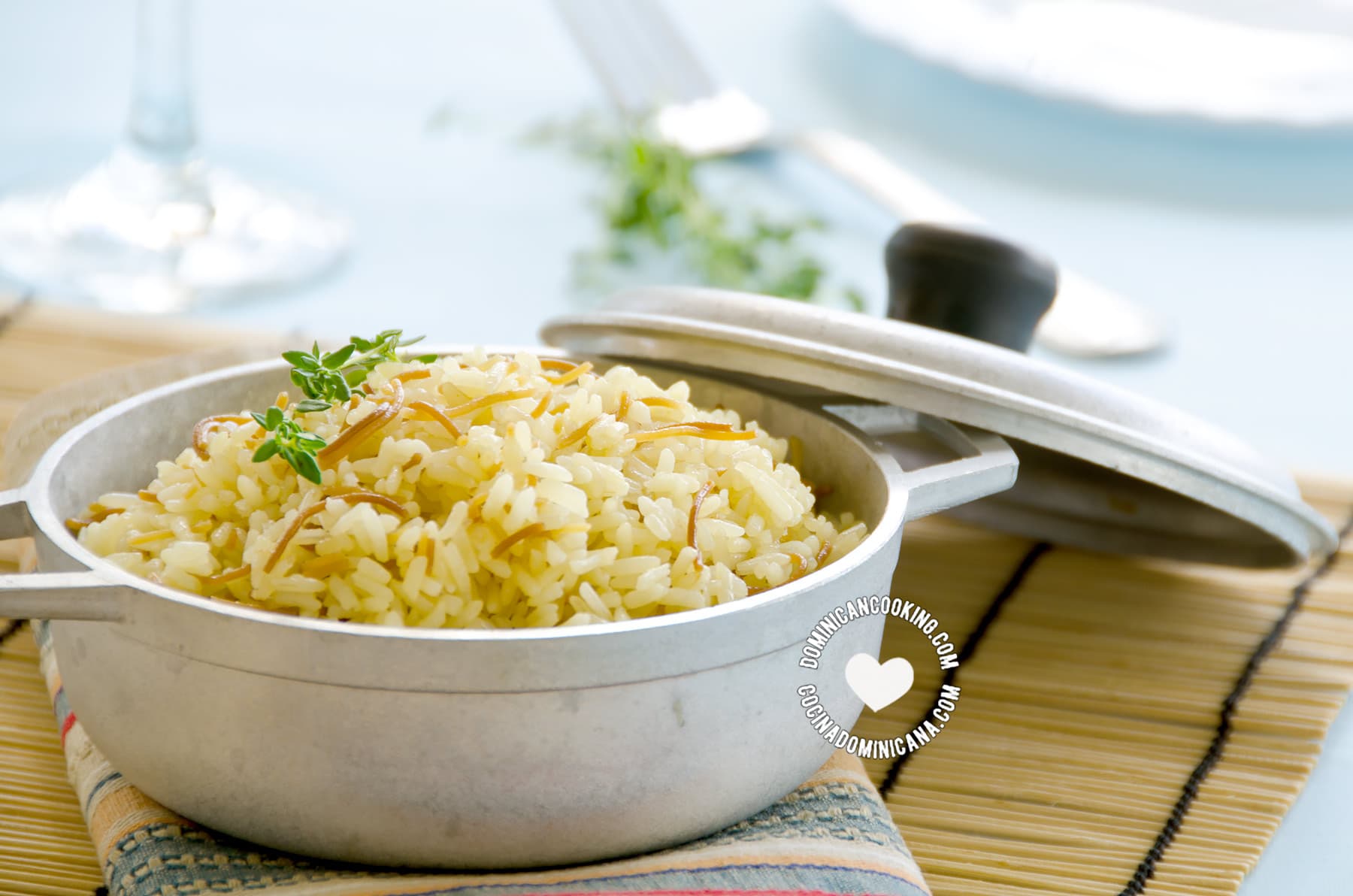
Aluminum pots are possibly the least expensive cooking pots. Pots made of this material are lightweight and effective heat conductors, but make some vegetables smell too strong. This happens with cabbage, broccoli, Brussels sprouts, and some others.
They also have the dubious virtue of reacting to white vegetables like cauliflower and potatoes, turning them into an unappetizing shade of yellow. Have you noticed?
Stainless steel
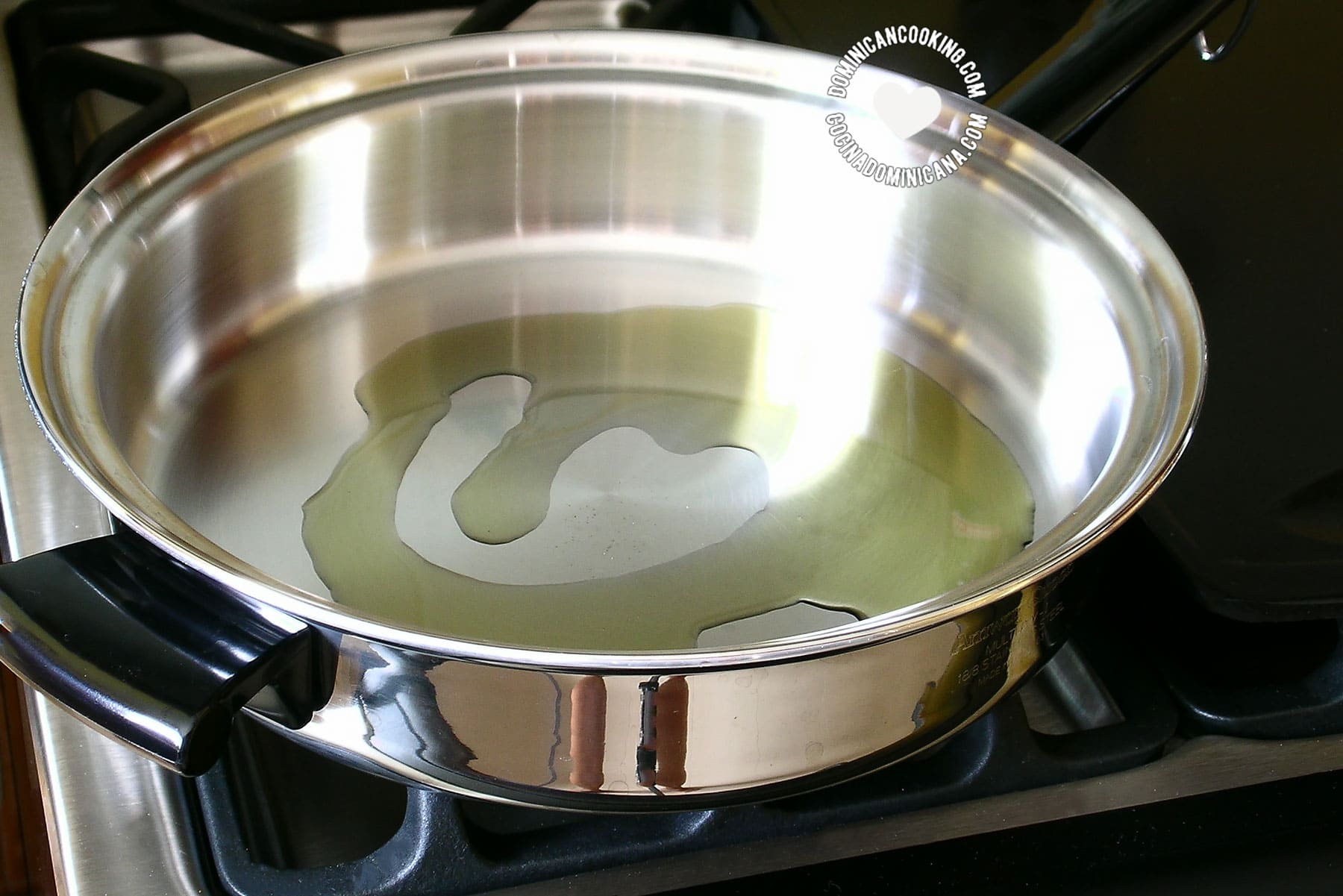
Pans made of this material are an alloy of other metals. Their main advantages are their firmness and durability, although they are not such good heat conductors. In addition, some alloys may contain nickel, which some people are allergic to. With prolonged use and excess heat, stainless steel pans can become discolored, and foods like pasta or potatoes will darken them.
Once you can literally see the bottom of your stainless steel pot, it's time to throw it away because this means it's worn out.
Ceramic/Clay
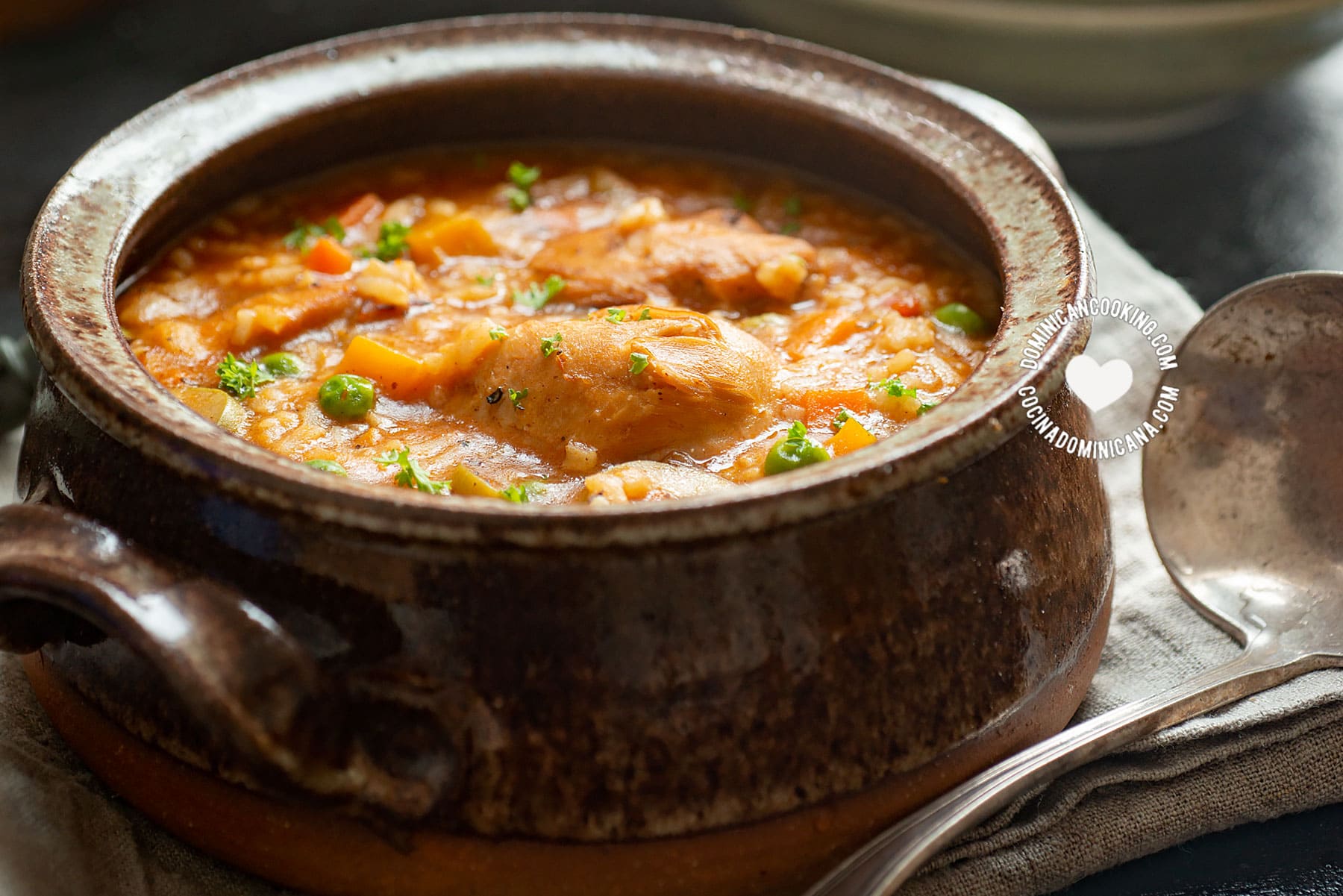
The best thing about terracotta is that it is porous, allowing excess steam to escape from the pot, leaving only what is needed for the food to cook in an incredibly attractive way - juicy but firm. Most ceramic pots come coated with a varnish that reduces this porosity. More importantly, some pigments used in the varnish may contain lead, a distinct possibility with very old cookware. Lead is a health-threatening element that can react with acidic foods.
If you want to buy ceramic or clay pots, ensure that their components are safety-certified and wash them by hand.
Glass
Glass is a neutral material that does not react with foods and comes in a range of attractive colors. Two things to bear in mind: don't use glass pans with metal parts in microwave ovens, because metal blocks the waves and sends out electrical sparks which damage the oven, giving you the fright of your life.
The other precaution? Remember that glass is a delicate material. If it falls, it breaks, sometimes along with everything inside. If you tend to be clumsy, choose another type of pot, despite the lovely colors.
Iron
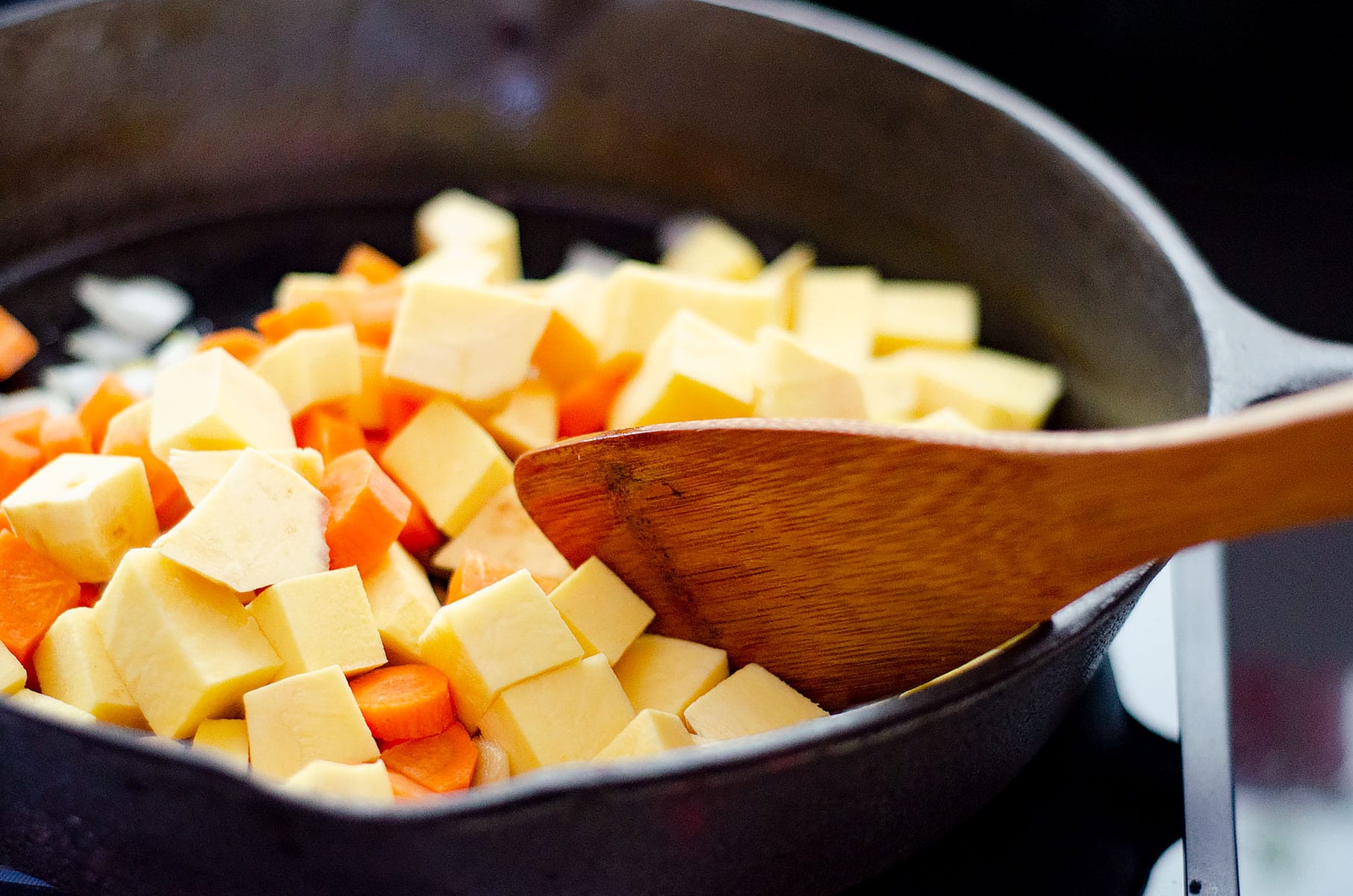
Pots made of this material have their pros and cons. Iron is an excellent heat conductor, which also retains heat for a long time; pots are easy to clean and last forever despite being extremely heavy. It's also known that iron from the pot is absorbed into the food, and until recently, people believed that this even increased the food's nutritional value.
Subsequent studies have shown that the body does not absorb the type of iron that gets into the food. What's worse, it can be harmful to people who suffer from "hemochromatosis," a condition in which this build-up of iron can even damage internal organs.
Non-stick coatings
Non-stick surfaces are made of plastic (polytetrafluoroethylene, to be precise) with chemical hardeners. As long as the surface of the pan is not scratched or chipped, there is no problem, but this is harder said than done, and the fear of PFAs and other harmful chemicals are making us rethink our choice of cookware.
When this product came on to the market, it was snapped up by dieters because it can be used for fat-free cooking. Remember though that good quality coating is very expensive, and you must take extra care to avoid scratches by using wood or plastic implements and washing with gentle sponges that don't damage the surface. Bear in mind that you should not cook at very high temperatures in non-stick pots.
Another thing to think about when you're shopping. I leave you to digest it.

Sources
- Food and Drug Administration
- American Hemochromatosis Society
- University of Nevada
- Washington Post
- WebMd
This was originally published by Diario Libre Newspaper, translated by Tia Ilana, and fact-checked by Tia Clara. Reproduced with permission from the author.

- Learn more about me and the humans behind this blog.
- Share your questions and comments about this post.
- Subscribe to receive our recipes and articles by email.
- Please stay in touch! Follow us on: