
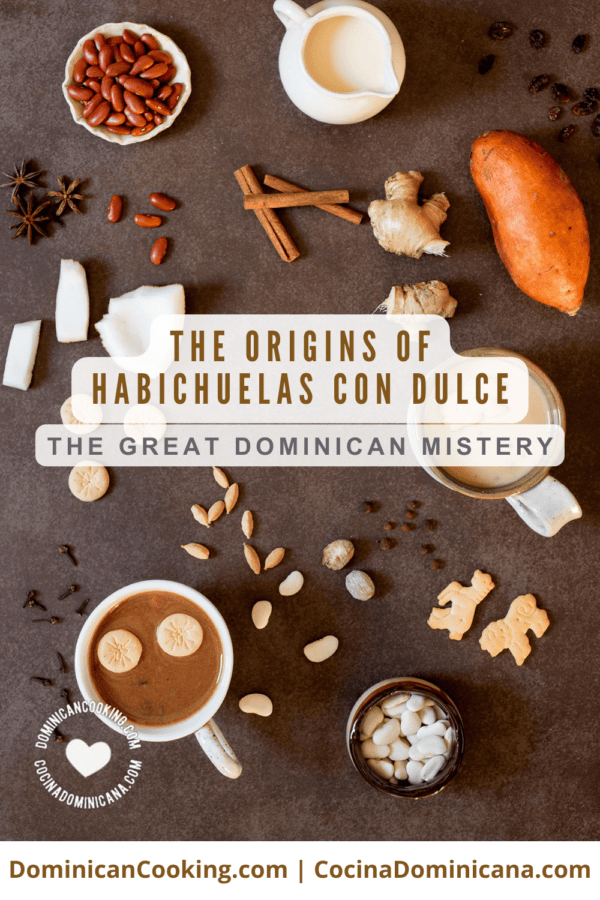
A bean-based dessert and one of our most popular dishes, this traditional Dominican Easter and Lenten dish is loved by Dominicans. But where did our Frijoles con Dulce come from? Let's see if we can finally shed some light on the origins of Habichuelas con dulce.
By - Reviewed: . Original: Feb 25, 2016
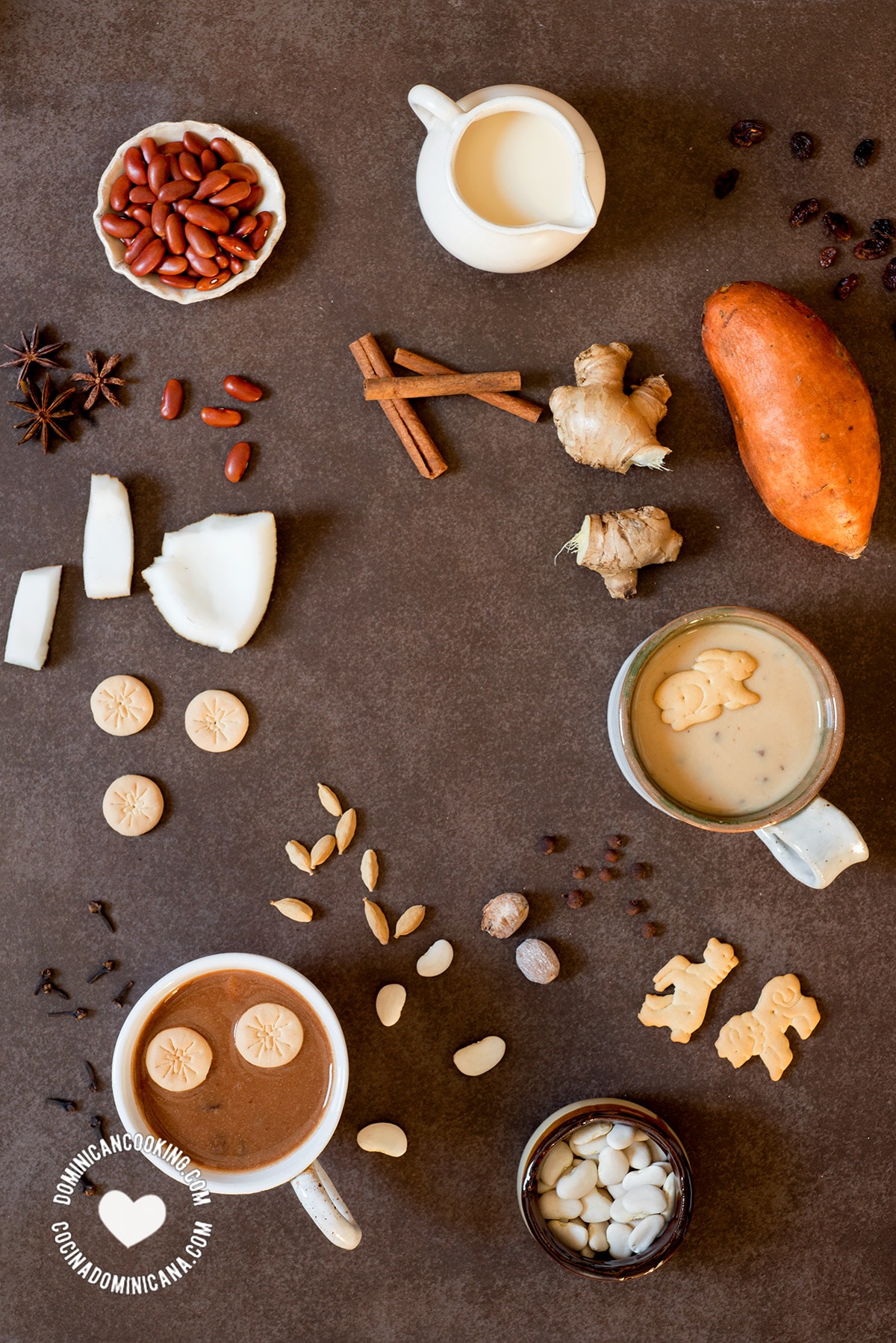
Is Habichuela con dulce (recipe) --our traditional Dominican Lent and Easter favorite-- a one-off phenomenon? Is the seemingly quirky idea of making a sweet delicacy with beans really unique to the Dominican Republic? And if not, where did Habichuela con Dulce come from?
I made some inquiries and found a few examples of bean-based sweets and desserts in different parts of the world. In the process, I also discovered a couple of new theories about the origin of Habichuela con dulce in addition to the ones I had already encountered.
Please notice that we extensively researched the history of Dominican habichuelas con dulce. So far, the first mention in print we encountered was in the book Al Amor del Bohio, published in 1927.
Pero el plato favorito de cuaresma son los "frijoles con dulce", indispensables el Miércoles de Ceniza, el Viernes de Dolores y el Viernes Santo. Casas hay en las cuales no se hace otra comida en esos días. [1]
[But the favorite Lenten dish is "frijoles con dulce", a must on Ash Wednesday, Friday of Sorrows and Good Friday. There are homes in which no other food is eaten on those days.]
Middle Eastern theory
Some time ago one of our readers left a comment on the blog saying that Habichuela con dulce was derived from a Turkish dish called Aşure or Ashure, also known as "Noah's Pudding."
If this is the case, Ashure traveled to the Dominican Republic in the late 19th or early 20th century along with other classic dishes like Taboulleh, Bil Shareyah, and Kibbeh brought over by immigrants from the former Ottoman Empire and adapted along the way. Not only is Ashure made with similar ingredients, including sugar, beans, and spices, like Habichuela con dulce, but it is also associated with a religious period of fasting.
"The first month of the Islamic calendar is Muharrem. It is a good deed to fast the first 10 days of Muharrem, and then on the 10th day, the Day of Ashure, to cook and share ashure with your neighbors and relatives."[2]
French theory
Another theory I encountered was an article that says that Habichuela con dulce is derived from a French dish that was brought over in the 19th century by colonists who had settled in what is now Haiti before moving to the Dominican Republic via Tía Clara's hometown, Montecristi.[3] What is the French dish referred to in Spanish as "frijolillos azucarados" though?
African theory
I also found what could be a long-lost cousin. Peru's Frejol colado, made with black beans, milk, sugar or panela, almonds, and roasted sesame seeds is said to be of African origin, which could also be where Dominican Habichuela con dulce came from, especially as the concept is more or less the same, even if the ingredients vary.
Asian theory
As other comments on the blog point out, some Asian culinary traditions use beans in sweets and desserts. In the Philippines, for example, there is an ice candy made with mung beans. Japan has a sweet snack called Amanatto - sugared adzuki beans and China has a sweet bean paste made with adzuki, mung, or soya beans, mixed with sugar and used as a filling in pastries.
In short
Lastly, savory bean dishes can also work well with a sweet touch, like some variations on the standard bean stews in the Dominican Republic and other Latin American countries that sometimes include a bit of sugar.
There is also the Chinese sweet bean sauce that accompanies roast duck, my mum's tangy Mediterranean bean soup with vinegar and sugar, and that British breakfast standard, canned baked beans.

In collaboration with Tía Clara.
Reference
- Jimenez, Ramón Emilio (1927) Al Amor del Bohío: Tradiciones y Costumbres Dominicanas. (Tomo 1. Pag. 291) Santo Domingo: V. Montalvo, Ed.
- The Istanbul Insider
- Zona Oriental
- BBC - The World's oldest dessert

- Learn more about me and the humans behind this blog.
- Share your questions and comments about this post.
- Subscribe to receive our recipes and articles by email.
- Please stay in touch! Follow us on: